Quick answer: To rent a room in your house, first check local zoning laws and HOA rules to confirm it is legal, then set a competitive rent by researching similar listings. Find tenants through trusted platforms, screen applicants thoroughly (credit, background, references), and use a written room rental agreement covering rent, utilities, house rules, and notice periods. Report the income on your taxes; you can deduct a proportional share of expenses.
Renting out a spare bedroom is one of the fastest ways to generate extra income from a home you already own. The average room rental in the US brings in $700-$1,200 per month depending on the market. But doing it right means navigating legal requirements, finding reliable tenants, and handling the tax implications. This guide covers the entire process.
Step 1: Make Sure It Is Legal
Before listing anything, verify you are allowed to rent a room:
- Local zoning and occupancy laws: Most single-family zones allow renting rooms, but some cities cap the number of unrelated occupants (often 3-4). Check your city or county planning department website.
- HOA rules: Homeowners associations sometimes ban or restrict room rentals. Read your CC&Rs carefully; fines for violations can exceed the rental income.
- Your mortgage: Most conventional mortgages allow room rentals, but some loan types (like certain first-time buyer programs requiring owner occupancy) have restrictions. A roommate arrangement rarely violates owner-occupancy clauses, but verify.
- Landlord-tenant law: In most states, renting a room makes you a landlord with legal obligations: habitable conditions, proper notice for entry, and lawful eviction procedures. Your state’s attorney general website has tenant rights guides worth reading.
- Insurance: Tell your homeowners insurance company. You may need additional liability coverage or a landlord endorsement. Skipping this step can void claims.
Step 2: Prepare the Room and Set House Rules
Make the space genuinely rentable:
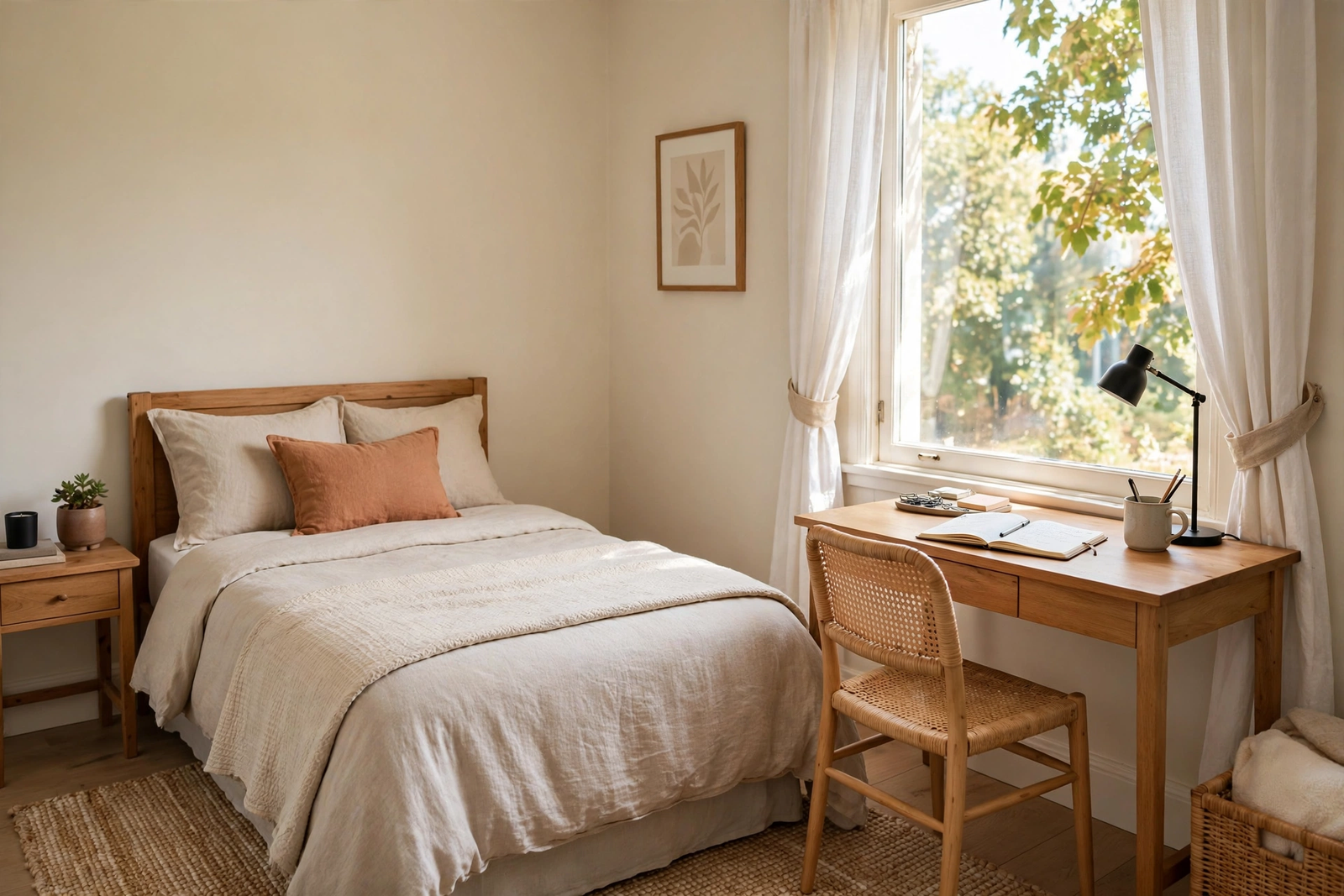
- Deep clean, repaint if needed, and ensure the lock on the bedroom door works.
- Provide basic furnishings or offer it furnished/unfurnished; furnished rooms command 15-25% more.
- Confirm reliable Wi-Fi reaches the room.
- Decide on shared spaces: kitchen access, laundry, parking, storage.
Write your house rules before listing: quiet hours, guest policy, smoking, pets, cleaning responsibilities for shared areas, and parking assignments. Clear rules prevent most roommate conflicts.
Step 3: Set the Right Rent Price
Research comparable room listings on Facebook Marketplace, Craigslist, Furnished Finder, and Spareroom in your area. Price based on:
- Room size and whether it has a private bathroom (ensuite rooms rent for 20-40% more)
- Furnished vs. unfurnished
- Utilities included vs. split
- Neighborhood, transit access, and parking
Decide whether utilities are included in rent (simpler, lets you charge more) or split (fairer for high-usage tenants). If included, add 10-15% to cover average utility costs. For broader money management context, see our guide on how to budget money“>how to budget money with the extra income.
Step 4: List and Market the Room
Good listing platforms for room rentals:
- Facebook Marketplace & local housing groups: Free, huge audience, and you can check profiles.
- Furnished Finder: Excellent for traveling professionals and nurses; tenants are typically vetted.
- Craigslist: Still effective in many markets; be cautious of scams.
- Spareroom / Roomies: Roommate-specific platforms with built-in profiles.
- Nextdoor: Great for finding local, community-vetted tenants.
Take bright, honest photos (at least 8-10), write a detailed description covering the room, house, neighborhood, house rules, and who the arrangement suits best. Honest listings attract compatible tenants and reduce turnover.
Step 5: Screen Tenants Thoroughly
This is the most important step. A bad tenant in your own home is miserable. Always:
- Run a credit check (services like TransUnion SmartMove let applicants pay for their own screening).
- Run a background check for criminal history and evictions.
- Verify income: Ask for pay stubs or an offer letter. Aim for income of at least 3x the rent.
- Call references: Previous landlords reveal payment history and behavior that no report shows.
- Interview in person or by video: You will share a kitchen with this person. Compatibility matters as much as credentials.
Apply screening criteria consistently to comply with the Fair Housing Act, which prohibits discrimination based on race, color, religion, sex, disability, familial status, or national origin. Note: the Act’s “Mrs. Murphy” exemption for small owner-occupied buildings is narrow; when in doubt, apply standards uniformly.
Step 6: Use a Written Room Rental Agreement
Never rely on a handshake. Your agreement should cover:
- Monthly rent, due date, late fees, and accepted payment methods
- Security deposit amount (check your state’s legal maximum, often 1-2 months’ rent)
- Lease term and required notice to vacate (30 days is standard for month-to-month)
- Utility split or inclusion
- House rules (quiet hours, guests, smoking, pets, cleaning)
- Which areas are private vs. shared
- Maintenance responsibilities
Month-to-month agreements offer the most flexibility for both sides. State-specific templates from legal sites are a good starting point, but have a local attorney review yours if anything is unusual.
Step 7: Handle the Taxes Correctly
Rental income is taxable and must be reported on Schedule E of your tax return. The good news: you can deduct a proportional share of expenses:
- Mortgage interest and property taxes: Deduct the rental percentage (e.g., renting 1 of 4 bedrooms = 25%).
- Utilities, insurance, repairs: Same proportional deduction.
- Direct rental expenses: Advertising, tenant screening fees, and repairs to the rented room are fully deductible.
- Depreciation: You can depreciate the rental portion of your home over 27.5 years, a powerful deduction. Be aware it triggers depreciation recapture tax when you sell.
Keep meticulous records of all income and expenses. If the tax side feels complex, our guide on how do you file taxes“>how to file taxes covers the basics, and a tax professional is worthwhile in your first rental year. The IRS guide to rental real estate deductions is the authoritative reference.
FAQs
How much can I charge for renting a room?
It depends entirely on your market. Research comparable listings nearby. As a rough range, rooms rent for $500-$800 in affordable markets, $800-$1,200 in mid-size cities, and $1,200-$2,000+ in expensive coastal metros. Private bathrooms and furnishings push you to the top of the range.
Do I need to report room rental income to the IRS?
Yes. All rental income is taxable, even if paid in cash and even if you rent for only part of the year. There is a narrow exception: if you rent your home for 14 or fewer days per year (the “Augusta rule”), that income is tax-free.
Can I rent a room if I have roommates already?
Check your lease first. Most leases limit total occupants and require landlord approval for additional tenants. Violating occupancy limits can be grounds for eviction.
What if my tenant stops paying?
You must follow your state’s formal eviction process, even for a room in your own home. “Self-help” evictions (changing locks, removing belongings) are illegal in almost every state and can expose you to damages. The process typically takes 30-90 days.
Should I require renters insurance?
Yes, strongly recommended. It protects the tenant’s belongings and gives you both liability protection. It costs tenants roughly $15-$30/month and many landlords require it in the rental agreement.
Is renting a room worth it?
Financially, usually yes: $800/month is $9,600/year, often covering a large chunk of your mortgage. The tradeoff is privacy and the management effort of screening, collecting rent, and enforcing rules. Month-to-month terms let you exit the arrangement if it is not working.