
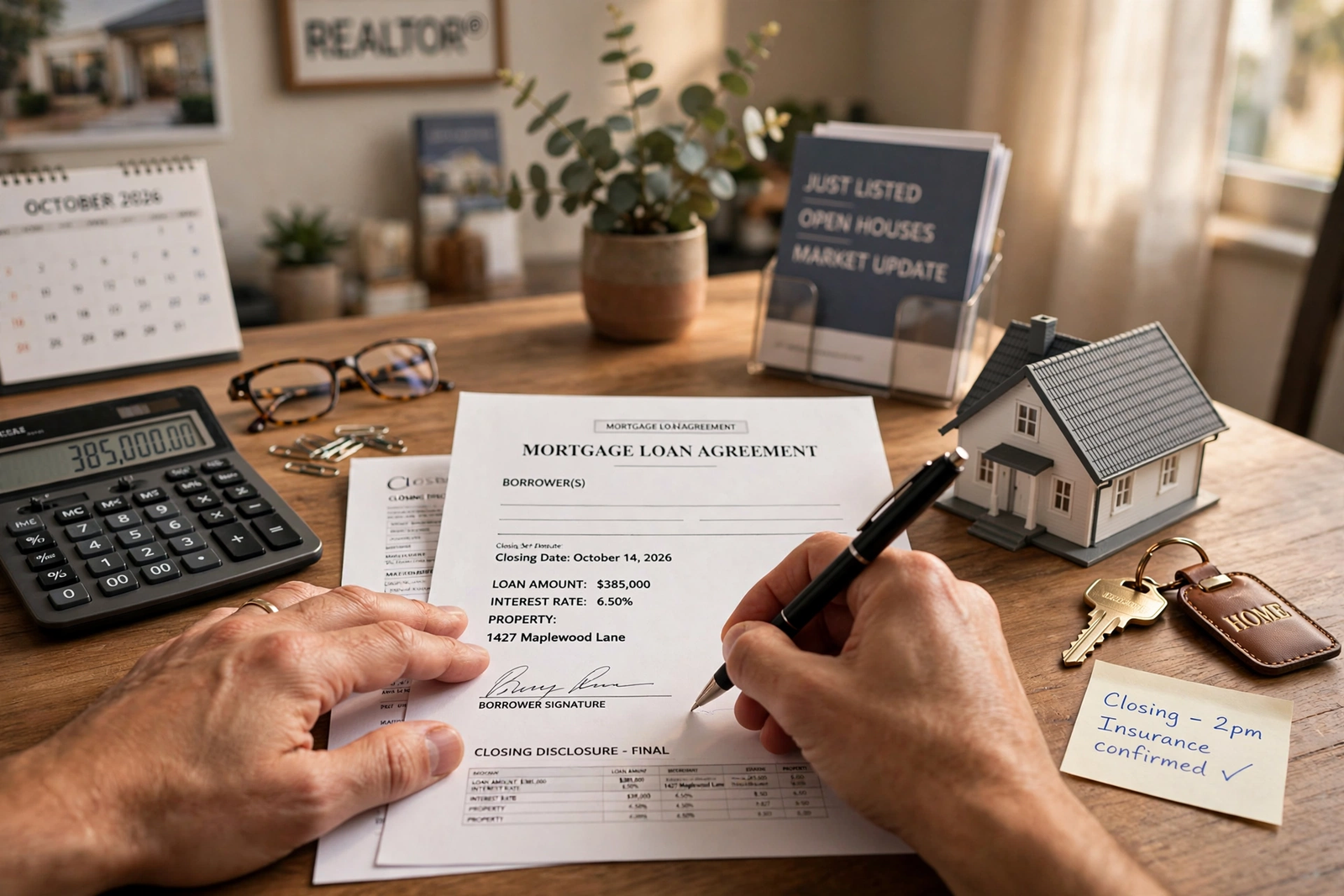
Quick answer: Closing costs on a home typically range from 2% to 5% of the purchase price. On a $300,000 home, expect to pay between $6,000 and $15,000 at closing. These one-time fees cover your loan origination, appraisal, title insurance, home inspection, attorney fees, and prepaid property taxes and homeowners insurance.
Buying a home comes with more than just the down payment. When you sign the final paperwork on closing day, you will owe a bundle of fees collectively known as closing costs. Many first-time buyers are surprised by how large this bill is, so understanding what drives these costs, who pays them, and how to negotiate them down can save you thousands.
In this guide, we break down average closing costs for 2026, list every major fee you will encounter, and show you practical ways to cut the total.
Average Closing Costs in 2026
The standard rule of thumb still holds: budget 2% to 5% of the home’s purchase price for closing costs. Here is what that looks like at common price points:
| Home Price | 2% (Low) | 5% (High) |
|---|---|---|
| $200,000 | $4,000 | $10,000 |
| $300,000 | $6,000 | $15,000 |
| $400,000 | $8,000 | $20,000 |
| $500,000 | $10,000 | $25,000 |
Your exact total depends on your state (some states tax real estate transfers heavily), your loan type, and how much you negotiate. Buyers in states like New York, Delaware, and Pennsylvania tend to pay toward the high end, while buyers in states with no transfer tax, like Idaho or Mississippi, often land near the low end.
Full Breakdown of Closing Cost Fees
Closing costs are not one fee. They are a stack of individual charges from your lender, the title company, the local government, and other parties. Here are the most common ones:
Loan-related fees
- Loan origination fee (0.5% to 1% of the loan): What the lender charges for processing your mortgage. On a $280,000 loan, that is $1,400 to $2,800.
- Discount points (optional): Prepaid interest you pay upfront to buy down your mortgage rate. One point equals 1% of the loan amount.
- Credit report fee ($25 to $75): The cost of pulling your credit reports and scores.
- Underwriting fee ($300 to $800): Covers the lender’s review of your financial file.
- Application fee ($0 to $500): Some lenders charge just to process the application; many waive it.
Third-party fees
- Home appraisal ($300 to $600): Required by the lender to confirm the home is worth the loan amount. Learn more about how long after appraisal to close“>how long after an appraisal it takes to close.
- Home inspection ($300 to $500): Technically optional, but skipping it is risky. It is usually paid before closing.
- Survey fee ($150 to $600): Confirms property boundaries; required in some states.
- Pest inspection ($75 to $150): Required for VA loans in many states.
Title and legal fees
- Title search ($200 to $400): Verifies the seller legally owns the property and there are no liens.
- Lender’s title insurance ($500 to $1,500): Protects the lender against title problems. Almost always required.
- Owner’s title insurance ($500 to $1,500): Optional but strongly recommended; it protects you.
- Attorney fees ($500 to $1,500): Required in some states where a lawyer must handle the closing.
- Recording fees ($50 to $250): What the county charges to record the deed and mortgage.
Government fees and prepaid items
- Transfer taxes (varies widely): Some states and cities charge a percentage of the sale price when ownership changes hands.
- Prepaid homeowners insurance ($1,000 to $2,500): Your lender will require the first year paid upfront.
- Prepaid property taxes (varies): Several months of property tax go into an escrow account at closing.
- Prepaid mortgage interest: Interest from closing day through the end of the month.
- Flood certification ($15 to $25): Determines whether the home is in a flood zone.
Who Pays Closing Costs: Buyer vs. Seller
By default, the buyer pays most closing costs, but sellers also have their own closing bill, which is typically deducted from their sale proceeds. Here is the general split:
- Buyers pay: Loan origination, appraisal, inspections, lender’s title insurance, prepaid taxes and insurance, and most lender fees.
- Sellers pay: Real estate agent commissions (usually the biggest seller cost, around 5-6% of the sale price, though this is changing), their own title costs, transfer taxes in some states, and any agreed-upon repairs.
- Negotiable: Many fees can be split or shifted through negotiation. Sellers can offer seller concessions (credits toward the buyer’s closing costs), which are common in buyer’s markets. Loan programs cap these concessions: conventional loans allow 3% to 9% depending on your down payment, FHA allows up to 6%, and VA allows up to 4%.
How to Lower Your Closing Costs
You do not have to accept every fee at face value. Try these strategies:
- Shop around for a lender. The Consumer Financial Protection Bureau recommends getting Loan Estimates from at least three lenders. Origination fees and rates vary widely.
- Ask for a closing cost credit. In a buyer’s market, sellers often agree to cover part of your costs to close the deal.
- Negotiate lender fees. Ask your loan officer to waive or reduce the application, underwriting, or processing fees. Many will, especially if you have competing offers.
- Consider a no-closing-cost mortgage. The lender covers your closing costs in exchange for a higher interest rate. This makes sense if you plan to sell or refinance within a few years, but costs more over a long hold.
- Close at the end of the month. Prepaid interest is charged per day from closing to month-end, so closing on the 30th instead of the 5th saves nearly a month of prepaid interest.
- Check for first-time buyer programs. Many states offer grants or forgivable loans that cover closing costs for qualifying buyers. Search your state housing finance agency’s website.
- Review the Closing Disclosure carefully. Lenders must send you this standardized form three business days before closing. Compare it line by line against your Loan Estimate and question anything that jumped.
Closing Costs by Loan Type
Your loan program affects both the fees you pay and who can pay them:
- Conventional loans: Standard fees; private mortgage insurance is a separate monthly cost if your down payment is under 20%. See how to get pmi removed“>how to get PMI removed later.
- FHA loans: Require an upfront mortgage insurance premium of 1.75% of the loan amount, which is usually rolled into the loan but counts toward your costs.
- VA loans: Charge a VA funding fee (1.4% to 3.6% depending on down payment and service history) but prohibit the lender from charging certain junk fees, which often makes VA closings cheaper overall.
- USDA loans: Include a 1% upfront guarantee fee, but no down payment is required.
When Do You Pay Closing Costs?
Closing costs are due on closing day, when you sign the final loan documents and the deed transfers. You will typically bring a cashier’s check or arrange a wire transfer for the total amount shown on your Closing Disclosure. Personal checks are generally not accepted for these sums. A few costs, like the home inspection and appraisal, are paid earlier in the process out of pocket.
If you are also wondering about the timeline, check out how long after appraisal to close“>how long after the appraisal it takes to close so you can plan your cash flow.
FAQs
Can closing costs be rolled into the mortgage?
Some can. Lender credits and a higher interest rate can offset costs, and certain fees like the FHA upfront premium are routinely financed. However, prepaid items like taxes and insurance generally cannot be rolled in, and financing your costs means paying interest on them for 30 years.
Are closing costs tax deductible?
Some are. Loan origination points, prepaid mortgage interest, and property taxes are generally deductible in the year you buy (subject to limits). Appraisal, inspection, and title fees are not deductible but get added to your cost basis, which can reduce capital gains tax when you sell. Consult a tax professional or see the IRS Publication 530 on homebuyer tax information.
What is a good faith estimate vs. a Loan Estimate?
The Good Faith Estimate is the old form; it was replaced in 2015 by the standardized Loan Estimate, which lenders must provide within three business days of your application. The Loan Estimate makes it far easier to compare offers apples to apples.
Do sellers pay closing costs too?
Yes. Sellers typically pay 1% to 3% of the sale price in their own closing costs, mainly agent commissions, plus transfer taxes and title fees in many states. These are deducted from their proceeds at closing.
Can I negotiate closing costs with the seller?
Absolutely. Asking for seller concessions is standard practice. In a competitive market you may have less leverage, but it never hurts to ask, especially if the home has been sitting or needs work.
What happens if I cannot afford closing costs?
Look into down payment assistance and closing cost grants from your state housing finance agency, employer-assisted housing programs, or negotiate a lender credit. As a last resort, a no-closing-cost loan trades upfront fees for a higher rate.






2 Comments