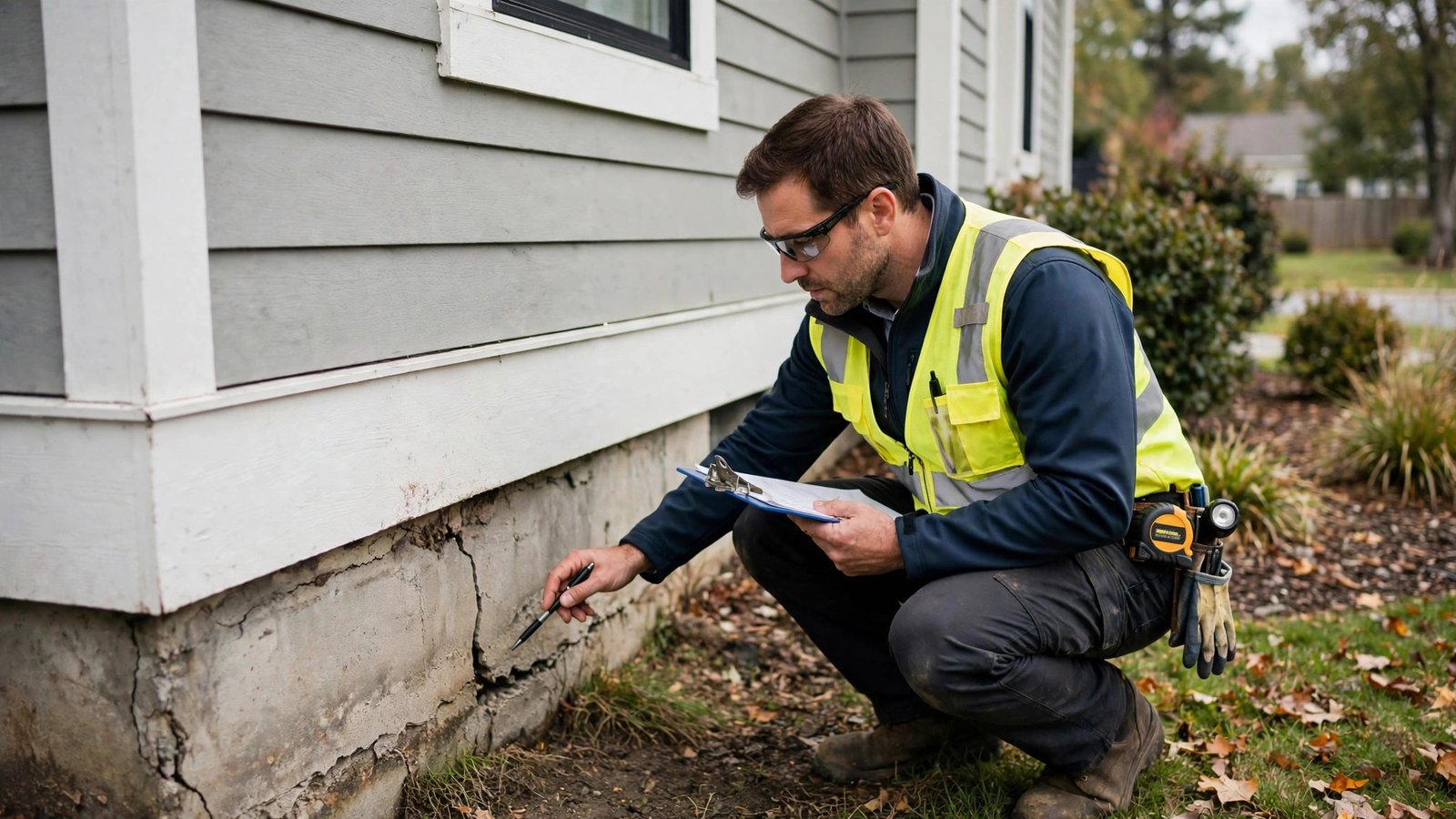
A home inspection is a professional, visual examination of a property’s condition, and it is the buyer’s best defense against expensive surprises. For a few hundred dollars, a qualified inspector spends hours evaluating the home’s major systems and structure, producing a report that informs your decision, your negotiations, and your future maintenance planning. Skipping it to win a bidding war is among the costliest gambles in real estate. Here is what inspections cover, what they do not, and how to use them wisely.
What Inspectors Actually Examine
A standard inspection covers the home’s major systems and components: roof, exterior, foundation and structure, plumbing, electrical, heating and cooling, insulation and ventilation, interior walls, ceilings, floors, windows, doors, and built-in appliances. The inspector operates systems, looks for defects, evaluates remaining useful life, and notes safety concerns. Expect two to four hours on site for a typical home, longer for larger or older properties. Attend the inspection if at all possible; watching the inspector work and asking questions teaches you more about your prospective home than any report. The inspector works for you, not the seller or agents, so choose them independently and verify credentials through organizations like the International Association of Certified Home Inspectors or the American Society of Home Inspectors. A good inspector explains findings in plain language and distinguishes cosmetic issues from structural concerns.
What Inspections Do Not Cover
Understanding limitations prevents false confidence. Standard inspections are visual and non-invasive: inspectors do not tear open walls, move heavy furniture, or test what they cannot access. They generally do not evaluate septic systems, wells, pools, or outbuildings without specialized add-ons. Environmental hazards like radon, mold, lead paint, and asbestos require separate specialized testing, which you should absolutely order for older homes or in high-risk areas. Inspectors do not predict future failures with certainty or provide repair cost estimates, though experienced ones offer useful ballparks. They also do not assess code compliance or property value. Think of the inspection as a thorough health checkup, not a guarantee; it dramatically reduces risk without eliminating it. For homes with specific concerns, add specialized inspections: sewer scopes for older neighborhoods, chimney inspections for wood-burning fireplaces, and structural engineers for foundation worries.
Reading the Report: Signal vs. Noise
Inspection reports alarm first-time buyers because every home, including new construction, generates a long list of findings. Learn to triage. Safety issues, electrical hazards, structural problems, active water intrusion, demand immediate attention and often justify renegotiation or walking away. Major system concerns, aging roofs, failing HVAC, outdated electrical panels, require cost estimation and factor heavily into your decision. Deferred maintenance items, caulking, minor plumbing drips, worn finishes, are normal and expected; every used home has them. Cosmetic issues barely register in negotiations. Ask your inspector to rank findings by severity during the walkthrough, and get contractor estimates for anything significant before your contingency expires. Remember that the report is also a maintenance roadmap for after purchase; even issues you accept should go on your future repair calendar. Minor fixes you can handle yourself, like fixing a leaky faucet or repairing a running toilet, should not derail a purchase.
How to Use Findings in Negotiation
The inspection contingency gives you leverage; use it strategically. Prioritize requests on safety and major-system issues rather than presenting a 50-item punch list, which antagonizes sellers. For significant defects, choose between asking for repairs, requesting credits (often better, since you control the work quality), or negotiating price reductions. Get real contractor quotes for major items; vague demands get vague responses. Know your walk-away points in advance: foundation failure, extensive mold, or repair costs exceeding your reserves are legitimate deal-breakers. In competitive markets, some buyers waive inspections to win bids, an enormous risk that should only be considered with deep reserves and high risk tolerance, and even then, a pre-offer walkthrough inspection offers partial protection. Your agent’s experience matters enormously here; skilled negotiators convert inspection findings into meaningful concessions without killing deals.
Red Flags That Should Stop a Deal
Some findings warrant walking away regardless of how much you love the house. Structural foundation failure, not minor settling cracks but significant movement, can cost tens of thousands. Extensive water damage or mold throughout suggests systemic problems. Outdated electrical systems like knob-and-tube wiring create safety and insurance nightmares. Failed septic systems or major sewer line collapses bring five-figure surprises. Evidence of unpermitted structural additions complicates insurance and resale. And a seller who refuses inspection access or pressures you to waive contingencies is telling you something important. None of these are automatically fatal if priced accordingly and you have the resources, but they transform a home purchase into a major project. Be honest about whether you want a home or a project; both are valid, but confusing them is expensive. Big-ticket items like replacing old windows throughout a house should be priced into your offer, not discovered after closing.
New Construction Inspections: Why They Still Matter
Buyers assume new homes are defect-free, but new construction generates long punch lists: incomplete finishes, improperly installed systems, grading and drainage issues, and code violations that slipped through municipal inspections. Builder warranties cover many defects but have exclusions, time limits, and claims processes that favor the builder. A phased inspection approach works best: foundation and framing before drywall, systems rough-in, and a final comprehensive inspection before closing, plus an 11-month warranty inspection to catch issues before coverage expires. Hire inspectors experienced with new construction specifically, since the defect patterns differ from resale homes. Document everything in writing with photos; verbal promises from site supervisors evaporate. New does not mean perfect, and the inspection is how you ensure the builder delivers what you paid for.
Inspection Day Checklist for Buyers
Make the most of inspection day with preparation. Bring your agent, a notebook, and a list of specific concerns: stains on ceilings, cracks, musty smells, or anything that caught your eye during showings. Ask the inspector to demonstrate major systems, show you shut-offs for water, gas, and electrical, and explain maintenance basics you will need as an owner. Take your own photos of anything notable for your records. Ask candidly: what would concern you most if you were buying this home, and what should I budget for in the first two years? These questions elicit the practical wisdom reports cannot fully capture. Finally, respect the inspector’s time and expertise; a thorough inspection takes hours, and rushing it serves no one. The few hundred dollars and half day you invest here protect the largest purchase of your life.
Conclusion
A home inspection is a few hundred dollars that protects a hundred-thousand-dollar decision. It reveals the property’s true condition, powers your negotiations, and maps your future maintenance. Hire your own qualified inspector, attend the inspection, triage findings by severity, negotiate strategically on major issues, and walk away from true red flags. In a transaction full of emotions, the inspection is your objective anchor. Never skip it lightly.
Frequently Asked Questions
How much does a home inspection cost?
Typically $300 to $500 for a standard single-family home, varying by region, size, and age. Specialized add-ons like radon, mold, or sewer scopes cost extra but are worth it when indicated.
Should I attend the home inspection?
Yes, absolutely. Attending lets you ask questions, understand findings in context, and learn about the home’s systems directly from an expert. It is the most educational few hours of the buying process.
Can I back out after a bad inspection?
If your contract includes an inspection contingency, yes, typically with options to renegotiate or withdraw within the contingency period. This is why contingencies matter and waiving them is risky.
Do new construction homes need inspections?
Yes. New homes have defects too, and builder warranties do not catch everything. A phased inspection during construction plus a final inspection protects your investment.