The used car market in 2026 is a minefield of opportunity: prices have normalized from the pandemic insanity, selection is better, but the lemons are still out there — curbstoners flipping wrecked cars, odometer rollbacks, flood-damaged vehicles with washed titles. Buying a used car without getting ripped off isn’t about luck or “car guy” instincts; it’s a repeatable process of research, inspection, and negotiation. Follow this process and you’ll pay a fair price for a solid car, every time. For more detail on a related topic, see our article on what to know before renting a car in another country.
Step 1: Research Before You Shop (the Unsexy Part That Saves Thousands)
Decide your budget all-in: purchase price plus taxes, registration, insurance, and a $1,000–$1,500 immediate maintenance reserve (every used car needs something — tires, brakes, fluids — in the first months). Then research reliability, not just price: Consumer Reports’ reliability ratings, long-term owner forums for specific models, and known problem years. A $12,000 car with a $4,000 transmission failure waiting at 100,000 miles is more expensive than a $14,000 reliable one.
Target the sweet spot: 3–5 years old with 30,000–60,000 miles. The original owner absorbed the steepest depreciation (new cars lose ~20% in year one), but the car has most of its reliable life ahead. Check market pricing on multiple platforms (dealers, private party, and online retailers) for your exact trim and mileage — knowing the fair range before negotiating is the single biggest rip-off protection. And understand your financing before you shop: the CFPB’s auto loan resources at consumerfinance.gov explain dealer financing markups — get pre-approved by your bank or credit union first, so the dealer’s finance office can’t pad your rate.
Red-Flag Models and the Title Wash Problem
Learn your target model’s specific weaknesses (every model has them — timing chain issues, CVT failures, oil consumption) from owner forums, not salespeople. And understand title washing: flood or salvage vehicles retitled in lenient states to hide damage history. A clean-looking title isn’t proof — the vehicle history report plus a physical inspection is.
Step 2: The History Report and VIN Check
Run the VIN through a vehicle history service (Carfax, AutoCheck) AND the free federal checks: the National Insurance Crime Bureau’s VINCheck (theft/salvage records, free) and — critically — the NHTSA recall database at nhtsa.gov/recalls for open safety recalls. Unfixed recalls are both dangerous and a negotiation point.
Read the history report like a detective: accident records (minor fender-bender vs. structural damage — very different), service history gaps (a car with no records for 40,000 miles was likely neglected), number of owners (fewer is better; six owners in five years is a story), title brands (salvage, rebuilt, flood, lemon-law — each demands deep discount or a walk-away), odometer inconsistencies, and registration locations (cars from flood zones or rust-belt states deserve extra scrutiny). One serious red flag — structural damage, flood title, odometer rollback — is an automatic walk-away, no matter how good the price. There are always other cars.
Step 3: The Inspection (Never Skip This)
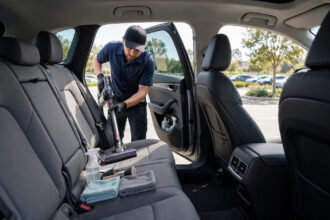
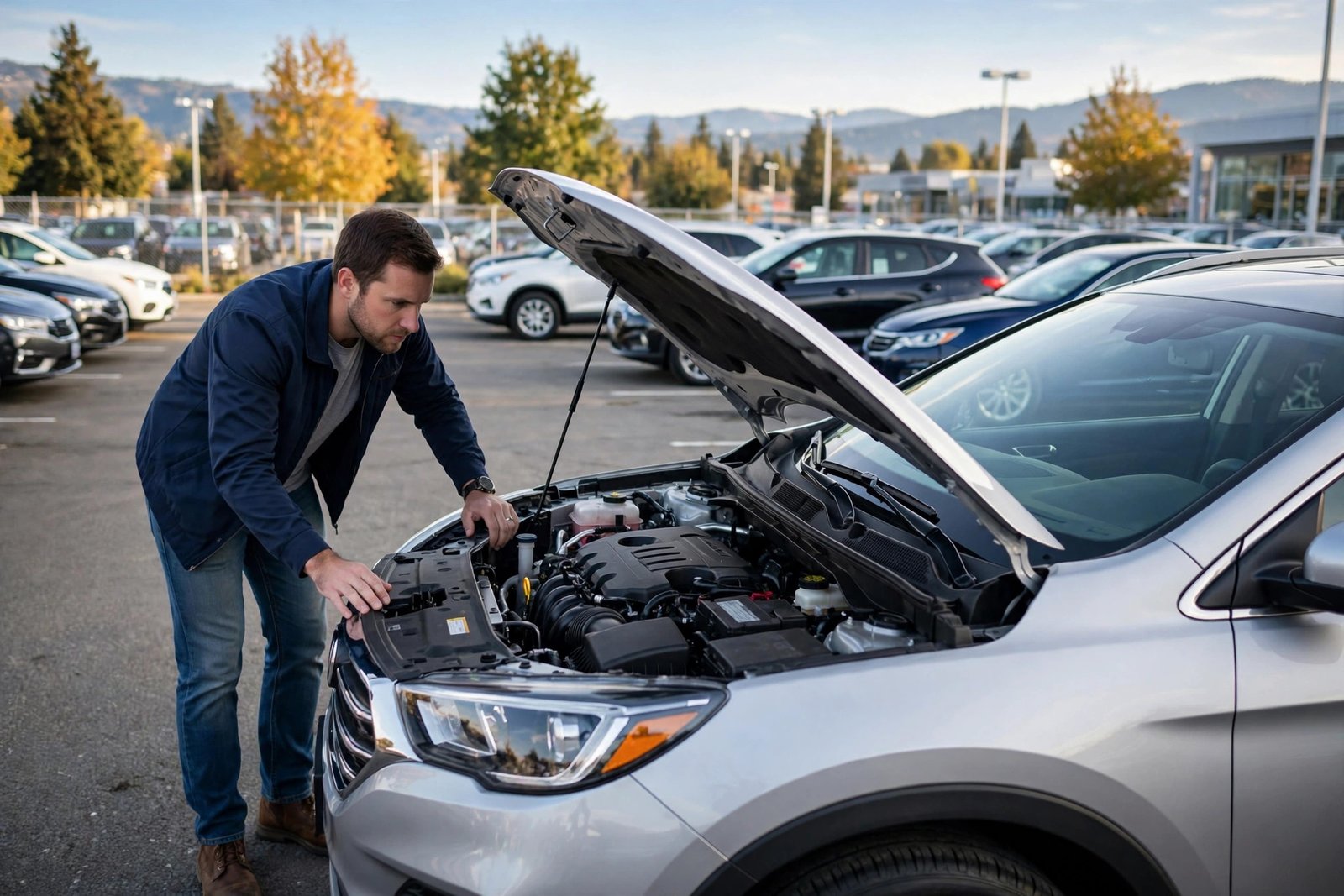
Your walkaround: Check panel gaps and paint consistency (mismatched paint = accident repair), look under the car for rust (surface rust is normal; flaking structural rust is fatal), check tire wear patterns (uneven wear = alignment/suspension issues), inspect all lights, and look for water lines or musty smells inside (flood damage).
The test drive (20+ minutes): Cold start it (listen for rattles, smoke), drive highway speeds (vibrations? pulling?), brake hard from 40 mph (pulsing = warped rotors), test every button and switch (power windows, AC/heat, infotainment — repairs add up), and park on clean pavement afterward to check for fluid leaks.
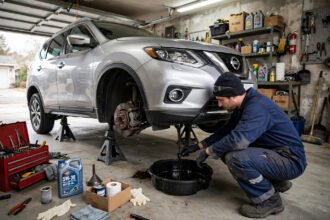
The professional pre-purchase inspection (PPI): This $150–$250 inspection by an independent mechanic is the highest-ROI money in car buying. They’ll lift the car, scan for codes, check the frame, and find what you can’t. Make every offer contingent on a clean PPI — any seller who refuses is telling you everything. The PPI has saved buyers from $5,000+ hidden problems countless times; skipping it to save $200 is the definition of penny-wise.
Private Party vs. Dealer
Private sellers: lower prices (no overhead), but no warranty, no recourse, and you handle all paperwork. Meet at the seller’s home (verify the address matches the title), never carry large cash, and complete the transaction at your bank or the DMV. Dealers: higher prices but potential warranties, financing convenience, and legal recourse — plus FTC protections. The FTC’s used car guidance at ftc.gov explains the Buyers Guide dealers must display and your rights. When buying online, apply the same skepticism you’d use anywhere: verify the website is legitimate before sending money or personal information to an unfamiliar seller.
Step 4: Negotiate Like You Mean It
With research, history, and PPI in hand, you’re negotiating from strength. The principles: negotiate the out-the-door price (not monthly payments — payment-focused negotiation hides inflated prices and extended terms), use the PPI findings (every needed repair is a discount justification — present the mechanic’s estimate), be willing to walk away (the single most powerful negotiation tool; there are millions of used cars), and negotiate one thing at a time (price first, then trade-in, then financing — dealers blend them to confuse).
For private party: start 10–15% below asking with justification (comps, PPI findings), stay friendly, and don’t fall in love with the car before the price is settled. For dealers: ignore the sticker theater, reject every finance-office add-on (extended warranties from the finance office are wildly overpriced; VIN etching, paint protection, and nitrogen tires are pure profit), and read every number before signing. The deal you walk away from costs nothing; the bad deal you sign costs thousands.
Conclusion
Buying a used car without getting ripped off is a four-step process: research reliability and fair pricing before shopping (with financing pre-approved), run the VIN through history reports and NHTSA recall checks, inspect thoroughly including a $150–$250 professional pre-purchase inspection, and negotiate the out-the-door price with walk-away power. Skip any step and you’re gambling; follow all four and the odds are overwhelmingly in your favor. The best deal isn’t the cheapest car — it’s the right car at a fair price with no surprises.
Frequently Asked Questions
What is the best age and mileage for a used car?
The sweet spot is 3–5 years old with 30,000–60,000 miles — past the steepest depreciation but with most reliable life ahead. Certified pre-owned programs add warranty protection at this age range.
Should I get a pre-purchase inspection?
Always — it’s the highest-ROI $150–$250 in car buying. An independent mechanic’s inspection finds hidden problems (frame damage, codes, leaks) that history reports and test drives miss. Make offers contingent on a clean PPI.
How do I check a used car’s history?
Run the VIN through Carfax or AutoCheck, the free NICB VINCheck for theft/salvage, and the NHTSA recall database for open safety recalls. Look for accidents, title brands, odometer issues, and service gaps.
Is it better to buy from a dealer or private seller?
Private sellers offer lower prices but no warranty or recourse; dealers cost more but provide potential warranties, financing, and legal protections. Either can be a good deal with proper research, history checks, and a PPI.
What fees should I watch out for at a dealership?
Negotiate the out-the-door price including all fees. Reject finance-office add-ons (overpriced extended warranties, VIN etching, paint protection, nitrogen tires), verify the interest rate matches your pre-approval, and read every line before signing.