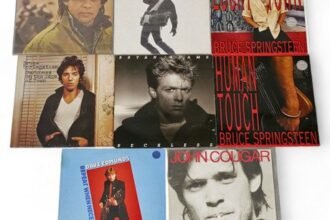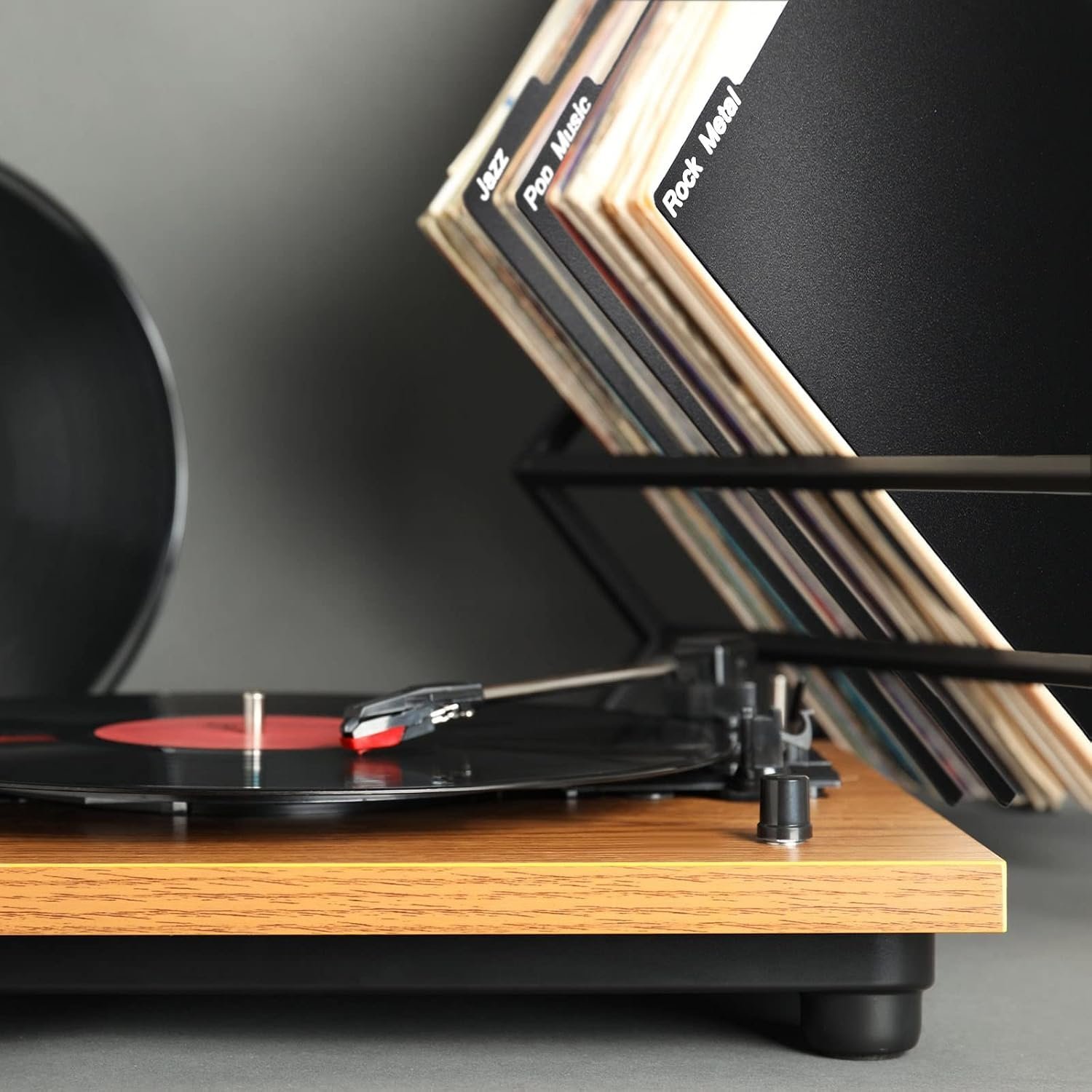
Vinyl is back — sales have grown for over a decade straight — and starting a collection is one of the most rewarding hobbies around. But records aren’t cheap, and beginner mistakes are expensive. Here’s how to start a vinyl record collection on a budget: what to buy, where to find deals, and what to skip until you know what you’re doing.
First: Do You Need a Turntable? (Yes, But Not an Expensive One)
You need something to play records on, obviously. The budget guidance:
- Minimum viable: Audio-Technica AT-LP60X (~$150). Fully automatic, won’t damage records, sounds perfectly fine. The default beginner recommendation for good reason.
- Avoid: suitcase players (Crosley Cruiser-style). They look cute and sound terrible — worse, their heavy tracking force wears out records faster. The #1 beginner mistake.
- Used market: vintage turntables (Technics, Pioneer, Dual) from the 70s-80s are often better than new budget options — if serviced. Buy from a reputable used-audio dealer, not a random listing, unless you know what you’re checking.
- Speakers: powered speakers (Edifier R1280T, ~$100) plug straight in. Don’t overthink this at the start — upgrade later.
Total starter setup: ~$250-300. That’s the real entry cost. Budget for it before buying records.
Where to Buy Cheap Records
- Thrift stores: the holy grail of budget vinyl. $1-3 per record. The selection is random — mostly easy listening and Christmas albums — but gems hide in every stack. Go often; inventory turns over. Best for: building a big collection fast, discovering weird stuff.
- Garage/yard sales: people sell entire collections for pennies when downsizing. “Box of records, $20” at a yard sale is how legends are born.
- Record store bargain bins: every record store has a $1-5 section. Less random than thrifts, still cheap. Ask staff what’s new in the cheap bins.
- Discogs: the marketplace for specific wants. Filter by media condition, compare sellers, buy from highly-rated ones. Prices are market-rate, but selection is infinite.
- Library sales: libraries cull vinyl occasionally — full classical and jazz collections for almost nothing.
- Estate sales: the serious collector’s source. Whole curated collections, often in great condition, priced to move.
What to Buy First
Strategy for the first 20 records:
- Your 5 desert-island albums: the records you’ll play forever. Buy these new or in great condition — they’re the foundation.
- 5 classics you’ve never owned: the canon — Fleetwood Mac Rumours, Miles Davis Kind of Blue, Marvin Gaye What’s Going On. Thrift stores are full of these.
- 5 cheap discoveries: bargain-bin gambles. Judge by cover art, label, producer. Some will be terrible; the great ones feel like treasure.
- 5 new releases you love: support current artists — new vinyl keeps the industry alive. Buy from the artist directly when possible.
After that, follow your taste. A collection that reflects you beats a collection that impresses others.
Caring for Records (Protect Your Investment)
- Inner sleeves: replace paper sleeves with anti-static ones ($20 for 50). The #1 cheap upgrade for record longevity.
- Outer sleeves: protect the album covers — they matter for value and enjoyment.
- Cleaning: a carbon fiber brush ($15) before every play. For deep cleaning, a Spin-Clean ($80) is the budget gold standard.
- Storage: upright, never stacked flat. Away from heat and sunlight. Warped records are heartbreaking and preventable.
- Handling: by the edges and label only. Fingerprints = noise.
For discovering what to hunt for, finding new music beyond algorithms pairs perfectly with crate-digging.
Budget Vinyl FAQ
How much does it cost to start a vinyl collection? ~$250-300 for the setup (turntable + speakers), then $1-5/record via thrifts and bargain bins. A respectable 50-record collection can cost under $500 total.
Are thrift store records any good? Condition varies — inspect for scratches (hold under light, look for scuffs). Even VG (very good) condition plays fine. The thrill is the hunt; the gems are real.
New vs. used vinyl? Used for classics and discovery (cheaper, often original pressings); new for current artists (support them) and audiophile favorites. Both have a place.
Do records sound better than streaming? Honestly? Sometimes, subtly — but the real vinyl advantage isn’t audio quality, it’s the ritual: choosing a record, dropping the needle, listening to a full side, reading liner notes. That intentionality is the point.
The Takeaway
Starting a vinyl record collection on a budget means: get a decent starter turntable (not a suitcase player), hunt thrift stores and bargain bins, buy your desert-island albums in good condition, and protect everything with proper sleeves and storage. It’s a hobby that rewards patience — the $2 thrift find you love beats the $40 reissue every time. Happy digging.
Growing the Collection: The Long Game
After the first 20, collecting becomes a lifestyle. Tips for the long haul:
- Set a monthly budget and stick to it — vinyl spending creeps. $30-50/month builds a serious collection over a year.
- Keep a wantlist (Discogs has one built in) so you recognize gems when thrifting. Nothing worse than passing on a grail because you forgot you wanted it.
- Learn grading: Goldmine grading standards (M/NM/VG+/VG) — know what you’re buying, especially online. VG+ plays great; below VG is risky.
- Upgrade strategically: replace your most-played bargain-bin finds with better pressings over time. The collection improves without growing uncontrollably.
- Trade with other collectors: duplicates and “not for me” finds become trade bait. Local record fairs and online groups facilitate it.
And remember: the goal is a collection you play, not a museum. The best record in your collection is the one on the turntable right now.
Vinyl and Kids: Starting Them Young
Vinyl is wonderful with kids — the large artwork, the ritual of choosing and playing, the full-album listening. Let them pick records (kids’ soundtracks on vinyl are common in thrift stores), teach them the handling rules (edges only!), and make it a weekend ritual. Many collectors say their kids’ engagement with music deepened dramatically with vinyl — the physicality makes music real in a way streaming doesn’t. Just keep the valuable pressings on high shelves until they’re older. The scratches will happen; the memories are worth it.
The Record’s Remarkable Comeback
The phonograph record was declared dead multiple times — by cassettes, CDs, then streaming. Instead, vinyl sales have grown for over 15 straight years. The comeback proves something: physical media satisfies needs streaming can’t. Your collection is part of the most unlikely revival in music history.
Wondering what to hunt for first? Essential classic rock albums are the crates’ greatest treasures — start there.