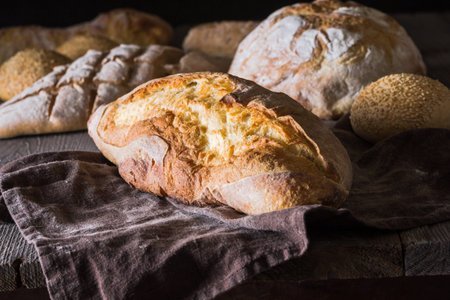
Bread goes stale fast, and most of us store it wrong. The fridge? That’s actually the worst place for bread — it goes stale three times faster in there. The plastic bag on the counter? Better, but your crust turns to leather. Here’s the right way to store bread to keep it fresh, whether it’s a crusty artisan loaf, sandwich bread, or homemade.
Why Bread Goes Stale (It’s Not Drying Out)
Here’s the counterintuitive part: staling isn’t mainly about moisture loss. It’s about starch retrogradation — the starch molecules recrystallize and firm up over time. That’s why stale bread feels hard even in a sealed bag where no moisture escaped. And here’s the kicker: refrigeration accelerates retrogradation. Cold temperatures speed up starch crystallization dramatically. So the fridge, which preserves almost everything else, actively ruins bread. The one exception: in very hot, humid climates where mold grows in a day, the fridge is the lesser evil.
The Right Way to Store Bread: By Type
Crusty artisan bread (sourdough, baguettes, ciabatta)
These loaves are all about the crust, and plastic is the enemy of crust. Store cut-side down on a cutting board, or in a paper bag, at room temperature — and eat within 2 days. A bread box is ideal: it maintains humidity around the loaf while letting the crust breathe. Once you slice it, press the cut faces together or store cut-side down to slow staling. Day-old artisan bread isn’t wasted — it’s perfect for toast, bruschetta, panzanella, or homemade pizza night garlic bread.
Soft sandwich bread and rolls
Plastic bags or airtight containers at room temperature. Soft breads are designed to stay soft, and plastic keeps them that way for 5-7 days. Squeeze out excess air before sealing. Keep it away from heat sources — the top of the fridge (warm from the motor) is a surprisingly bad spot.
Homemade bread (no preservatives)
Homemade bread stales faster because it lacks the conditioners in commercial loaves. Cool it completely before storing (trapped steam makes it soggy), then follow the rules above: paper/bread box for crusty, plastic for soft. Plan to eat it within 2-3 days, or slice and freeze the rest on day one — which brings us to…
Freezing: The Best Long-Term Storage
For anything you won’t eat in 2-3 days, the freezer is your friend — unlike the fridge, the freezer halts staling completely. Slice the loaf first (frozen slices separate easily), wrap tightly in plastic wrap then foil or a freezer bag, and freeze up to 3 months. Toast slices straight from frozen, or thaw at room temperature for 20-30 minutes. Frozen-then-thawed bread tastes remarkably close to fresh — far better than 4-day-old counter bread. This is the same principle behind freezing leftovers properly: airtight wrapping is everything.
Reviving Stale Bread
Stale doesn’t mean dead. Run the loaf (or slice) briefly under the tap — yes, water on bread — then bake at 350°F for 5-10 minutes. The heat reverses starch retrogradation and the moisture re-crisps the crust. It genuinely works; the bread comes out tasting nearly fresh. This trick has saved countless loaves in my kitchen. For sliced sandwich bread that’s gone stiff, 10 seconds in the microwave with a damp paper towel does the job.
Bread Storage Mistakes to Avoid
- The refrigerator: stales bread 3x faster. Only use it to prevent mold in extreme humidity.
- The original paper sleeve from the bakery: fine for the walk home, not for storage. Transfer to a proper bag or box.
- Storing near the stove or dishwasher: heat and steam accelerate both staling and mold.
- Leaving the bag open: seems obvious, but the twist-tie matters. Seal it every time.
- Buying more than you’ll eat: the best storage strategy is buying the right amount. A smaller loaf eaten fresh beats a big loaf half-staled.
Bread Storage FAQ
How long does bread last at room temperature? Artisan/crusty: 2-3 days. Commercial sandwich bread: 5-7 days (preservatives help). Homemade: 2-3 days. Trust your eyes and nose — mold means it’s done.
Should I store bread in the fridge in summer? If your kitchen is hot and humid enough that bread molds in a day or two, yes — fridge beats mold. Otherwise, room temperature wins.
What’s a bread box actually do? It creates a microclimate: humid enough to slow moisture loss, ventilated enough to protect crust texture and discourage mold. It’s the best all-around bread storage for daily bread eaters.
Can you freeze bread dough instead of baked bread? Absolutely — and for homemade dough, freezing after the first rise works great. Thaw overnight in the fridge, then shape and bake.
The Takeaway
The right way to store bread: room temperature, proper wrapping (paper/bread box for crusty, plastic for soft), never the fridge, and the freezer for anything beyond a few days. Buy what you’ll eat, revive the stale with heat and water, and stop letting good bread go to waste. It’s a small habit that pays off every single day.
Bread Storage for Special Cases
A few situations need their own approach:
- Bagels: like crusty bread — paper bag, room temp, 2 days max. Slice before freezing; frozen bagel halves go straight in the toaster.
- Tortillas and flatbreads: sealed plastic bag in the fridge (they’re thin and mold-prone). Warm in a dry skillet to revive.
- Croissants and pastries: room temp in a paper bag for day one; after that, refresh 5 minutes in a 350°F oven. The freezer works too — thaw, then crisp in the oven.
- Gluten-free bread: goes stale and crumbly fast. Refrigerate after day one (mold is the bigger enemy here) and always toast before serving — heat dramatically improves GF bread texture.
When Bread Goes Bad: Mold Safety
Here’s the rule: if you see mold on soft bread, throw away the whole loaf — mold roots spread invisibly through soft, porous foods. The “just cut off the moldy part” trick only works for hard cheeses and firm produce, not bread. For dense, crusty loaves you might salvage the unaffected half, but when in doubt, toss it. Mold on bread can produce mycotoxins, and it’s not worth the risk to save a $4 loaf. Prevention beats salvage: proper storage, reasonable quantities, and the freezer for anything you won’t eat in time.
Bread: 14,000 Years of Staple
Bread is one of humanity’s oldest prepared foods — evidence of bread-making goes back 14,000 years, before agriculture itself. The history of bread spans every civilization on earth. Storing it right honors that legacy — and honestly, after 14,000 years, bread deserves better than a stale end in your kitchen.