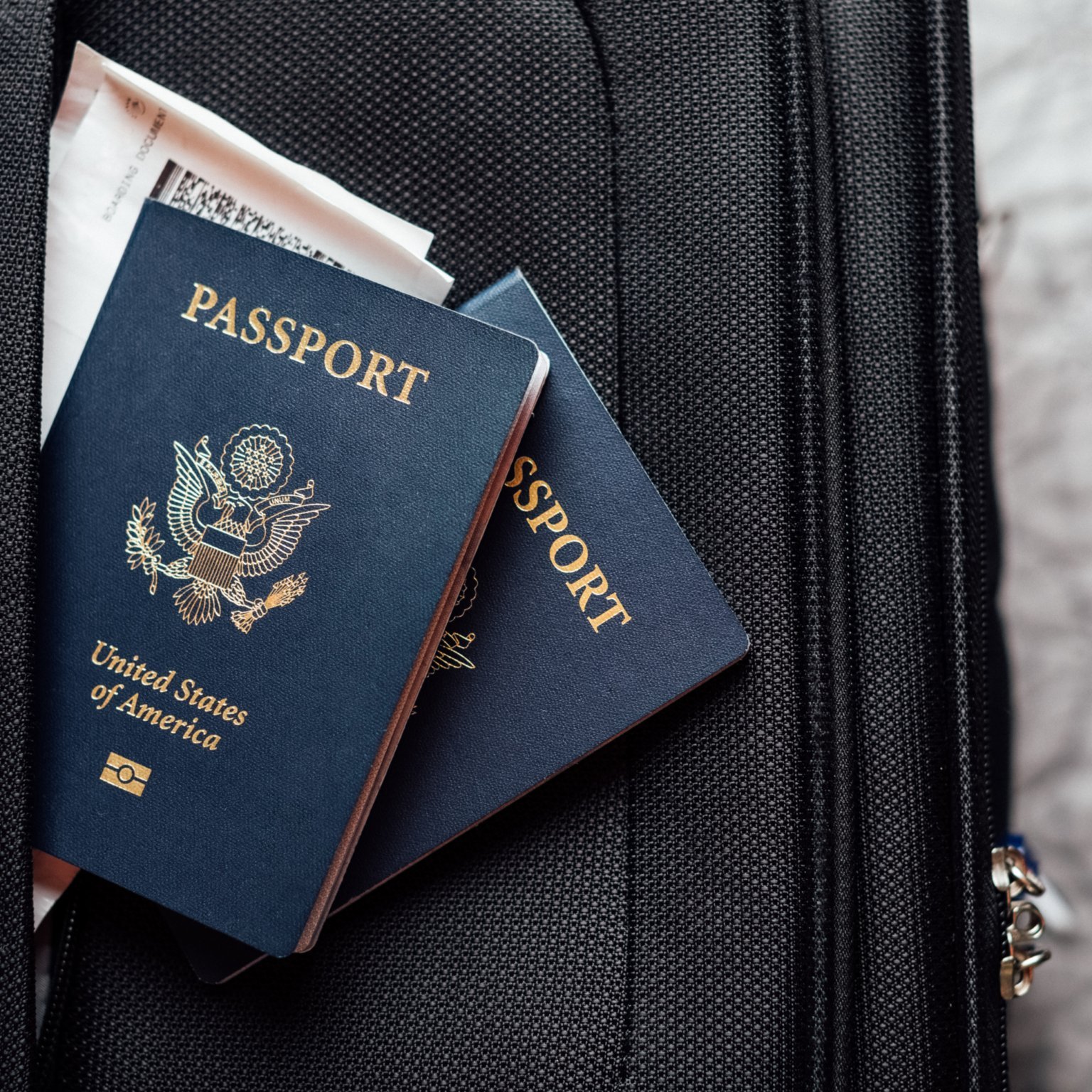
Travel insurance is the most boring purchase of any trip — until the day it saves you $40,000. A medical evacuation from abroad, a canceled $5,000 cruise, a broken leg on a ski slope: these are the scenarios where insurance goes from “probably unnecessary” to “thank God I had it.” So what is the best travel insurance for international trips? It depends on your trip — but the framework for choosing is the same for everyone, and most travelers overpay by buying the wrong type.
I’ve filed two travel insurance claims (one medical, one trip interruption) and been grateful both times. Here’s how to think about it like someone who’s actually used it.
Do You Even Need It? The Honest Assessment
Not every trip needs insurance. You likely DON’T need it if:
- The trip is cheap and fully refundable (nothing to lose)
- You’re traveling domestically with good health insurance
- You can absorb the worst case financially without pain
You likely DO need it if:
- The trip is expensive and non-refundable ($3,000+ at risk)
- You’re traveling internationally (US health insurance often covers little/nothing abroad)
- You’re doing adventure activities (skiing, diving, trekking — check exclusions carefully)
- You’re older or have health conditions (higher medical risk = higher value)
- You’re traveling during hurricane season, to politically volatile regions, or with tight connections
The core question: can you afford the worst case? A medical evacuation can cost $50,000–100,000+. Foreign hospital bills run thousands per day. If those numbers would wreck you, insurance isn’t optional — it’s essential.
What Is the Best Travel Insurance for International Trips? Understanding the Types
Comprehensive trip insurance (the standard choice)
Bundles trip cancellation/interruption, emergency medical, medical evacuation, baggage, and delays. Costs typically 4–8% of trip cost. Best for: expensive prepaid trips, cruises, tours. The medical coverage ($50,000–100,000+) and evacuation ($250,000–1M) are the real value — trip cancellation is the headline, but medical is the lifesaver.
Medical-only / travel medical insurance (the budget pick)
Covers emergency medical and evacuation WITHOUT trip cancellation. Much cheaper ($50–150 for a multi-week trip). Best for: cheap flexible trips where you mainly need the medical safety net. This is the highest value-per-dollar option for most independent travelers — the catastrophic risk (medical) covered at a fraction of comprehensive prices.
Annual/multi-trip plans (the frequent flyer pick)
One policy covering all trips for a year, typically $300–600. Best for: 3+ international trips yearly. The math almost always wins for frequent travelers, and you never forget to buy it.
Credit card travel coverage (the free option)
Many premium travel cards (Chase Sapphire, Amex Platinum, etc.) include trip cancellation, interruption, baggage, and sometimes medical evacuation. It’s real coverage — but read the terms: it’s usually secondary, has caps, and medical coverage is often limited or absent. Best for: supplementing, not replacing, dedicated insurance on big trips. Know exactly what your card covers before relying on it.
How to Choose: The Comparison Framework
Compare policies on these dimensions (not just price):
- Emergency medical limit: Minimum $100,000 for international travel. $50,000 is thin.
- Medical evacuation limit: Minimum $250,000; $500,000–1M preferred. Evacuations are shockingly expensive.
- Trip cancellation: 100% of prepaid non-refundable costs. “Cancel for any reason” (CFAR) upgrade reimburses 50–75% — worth it only if your plans are genuinely uncertain.
- Pre-existing conditions: Most policies exclude them UNLESS you buy within 14–21 days of your initial trip deposit (the waiver window). This timing detail matters enormously — buy early.
- Adventure activities: Standard policies exclude many activities (scuba, skiing off-piste, mountaineering). If your trip involves them, get the adventure rider or a specialty policy.
- COVID and pandemics: Coverage varies widely now — verify explicitly if it matters for your trip.
Reputable providers (the short list)
The consistently well-reviewed names: World Nomads (backpackers, adventure activities), Allianz Travel (comprehensive, annual plans), IMG (travel medical), Seven Corners (comprehensive + medical), SafetyWing (long-term nomads, subscription-style). Compare on Squaremouth or InsureMyTrip — aggregators that let you filter by the criteria above. I have no affiliation; these are simply the names that come up consistently in traveler communities.
Common Mistakes That Void Your Coverage
- Buying too late for the pre-existing condition waiver (14–21 day window from first deposit)
- Not disclosing activities — injured paragliding on a standard policy? Denied.
- Alcohol exclusions — many policies exclude injuries involving alcohol. Read the fine print.
- Ignoring the “known events” rule — buying hurricane coverage after the storm is named? Not covered.
- Not keeping documentation — receipts, medical reports, police reports. Claims live or die on paperwork.
When to Skip Insurance (Honestly)
Insurance salespeople won’t tell you this, but skipping is sometimes the rational choice:
- Cheap, flexible domestic trips. A $300 weekend with refundable bookings and your regular health insurance? The expected value of insurance is negative — self-insure.
- When your credit card already covers it. Premium travel cards include solid trip cancellation/interruption and baggage coverage. If the trip’s main risk is cancellation (not medical), card coverage may suffice — verify the terms first.
- When you can absorb the loss. Insurance is for risks you can’t afford, not risks you find annoying. If losing the trip cost wouldn’t change your life, the premium is usually worse math.
- Short trips to low-risk destinations. A long weekend in London with good health insurance that covers emergencies abroad? The medical-only policy ($30–50) is the rational middle ground, not the $200 comprehensive plan.
- When the exclusions eat the coverage. Adventure trip with exclusions for your actual activities, pre-existing conditions without the waiver, destinations under advisory — if the policy doesn’t cover your real risks, it’s not insurance, it’s a donation.
The decision framework is always: what’s the worst case, can I afford it, and does this policy actually cover it? Answer those three honestly and the buy/skip decision makes itself. And when the answer is “buy” — buy early (pre-existing condition window), buy enough medical/evacuation, and actually read the exclusions.
Insurance intersects with several other travel topics: what to do when luggage is lost (baggage coverage claims), keeping valuables safe while backpacking (theft coverage), and solo female traveler safety (medical coverage abroad).
The Takeaway
The best travel insurance for international trips is the one matching your risk: comprehensive (4–8% of trip cost) for expensive prepaid trips, travel medical ($50–150) for the essential safety net on flexible trips, annual plans for frequent travelers, and credit card coverage as a supplement — never the whole plan on big trips. Prioritize medical ($100K+) and evacuation ($250K+) limits, buy within the pre-existing condition window, and disclose your activities. It’s boring right up until it’s the best money you ever spent. Compare real policies at Squaremouth, and check current State Department guidance for your destination.