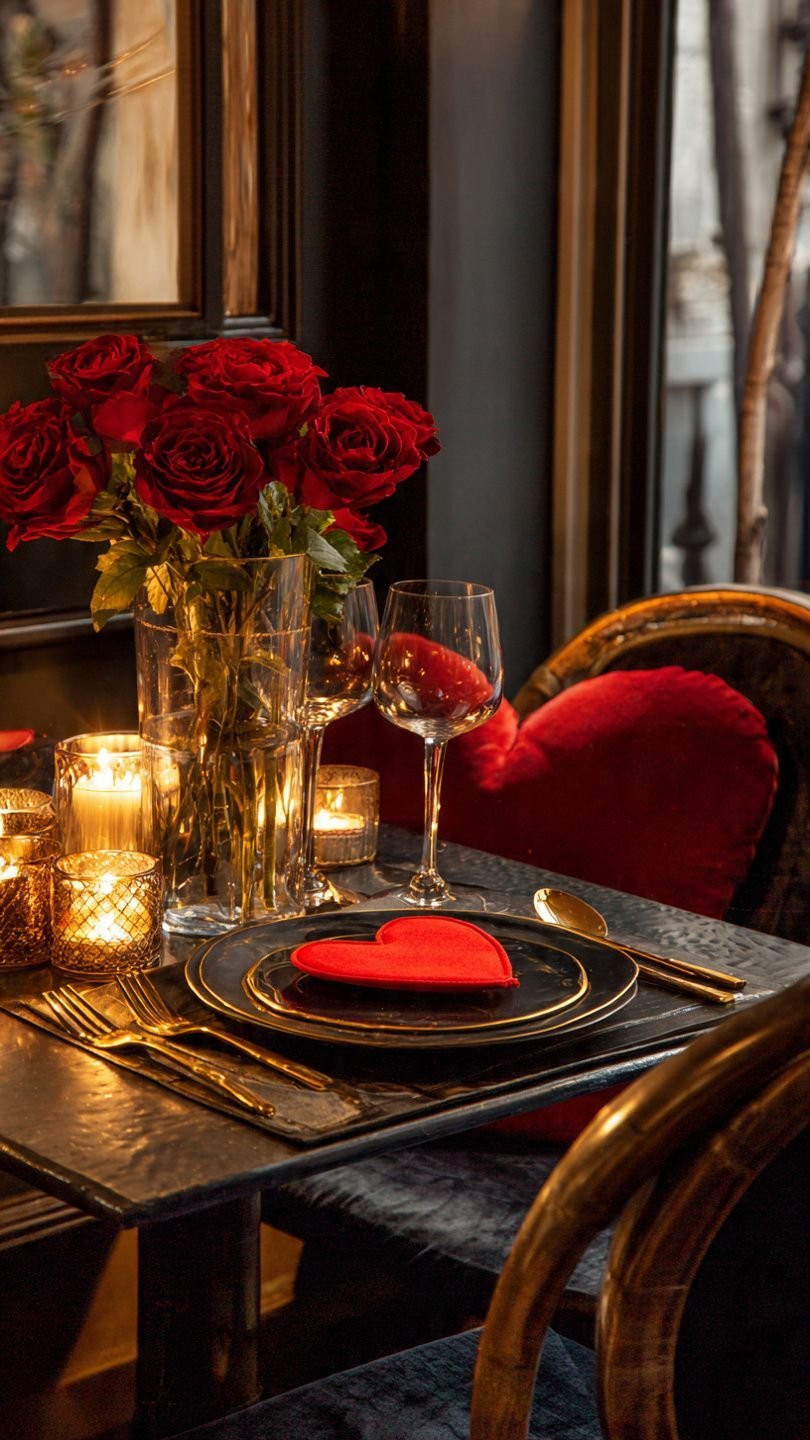
First date restaurant choice is high-stakes: too fancy and it’s awkward, too casual and it seems low-effort, too loud and you can’t talk, too quiet and every silence echoes. Choosing a good restaurant for a first date night is about psychology as much as food. Here’s how to pick a spot that sets you up for a great evening.
What Makes a Restaurant First-Date Good
- Conversation-friendly noise level: the #1 factor. You need to hear each other without shouting. Lively is good; deafening is fatal. Check reviews mentioning noise — or call and ask.
- Mid-range price: expensive enough to show effort, not so expensive it creates pressure or expectations. The $20-35 entrée range is the sweet spot in most cities.
- Shareable or interesting menu: gives you something to talk about. Tapas, sushi, Ethiopian (eaten communally) — interactive food breaks the ice naturally.
- Good but not precious: you want good food without white-tablecloth stiffness. Relaxed places with excellent food beat stuffy places with perfect food.
- Easy logistics: easy to find, easy parking/transit, in a neighborhood with a post-dinner walk option. The after-dinner stroll is where first dates are won.
Cuisine Picks That Work
- Italian (trattoria-style): the classic for a reason — comforting, shareable, romantic without trying too hard. Pasta is easy to eat (mostly) and everyone likes it.
- Sushi: interactive (“try this one”), fun to share, naturally paced. Omakase is too much for a first date; a good neighborhood sushi spot is perfect.
- Tapas/small plates: built for sharing and conversation. Ordering together is a mini-bonding activity. Multiple courses = natural evening pacing.
- Mexican (upscale casual): margaritas, guacamole made tableside, lively atmosphere. Fun without formality.
- Ethiopian: adventurous, communal (eaten with hands from shared platters), memorable. Signals you’re interesting. Only if your date is open to new things — gauge first.
Cuisines to Avoid (Usually)
- Super messy: ribs, wings, crab boils, spaghetti with red sauce (stain risk). Save the delicious mess for date five.
- Very spicy: unless you know they love heat. Sweating and suffering isn’t the first impression you want.
- Extremely quiet/fancy: tasting menus and hushed dining rooms amplify awkward silences. Intimidating, not romantic, on a first date.
- Chains: signals low effort, even if the food’s fine. Independent restaurants show thought.
- Buffets: multiple trips away from the table kill conversation flow.
The Logistics That Matter
- Make a reservation: waiting 45 minutes for a table on a first date is a terrible start. Book ahead, always.
- Scout it first (ideally): if possible, visit beforehand — or at least check recent reviews for noise, service speed, and vibe. Surprises are for birthdays, not first dates.
- Have a plan B nearby: a bar or dessert spot within walking distance for the “should we keep going?” moment. The best first dates extend organically.
- Consider the exit: choose a place where ending the evening is natural (not a 3-hour tasting menu if you’re unsure). Coffee/dessert spots nearby give you options either way.
- Dietary recon: ask about restrictions beforehand — casually, when planning. “Any foods you don’t eat?” prevents the awkward menu panic.
First Date Conversation Tips (Bonus)
The restaurant is the setting; you still have to talk. A few principles: ask open-ended questions (not interrogation), share stories not résumés, put the phone away (non-negotiable), and listen more than you talk. The menu gives you built-in conversation starters — travel (“have you been anywhere with great food?”), cooking, favorites. And if there’s a lull, that’s okay — comfortable silence on a first date is actually a good sign.
If the date goes well and you’re planning the second, date night at home ideas are perfect for date two or three — more personal, less expensive, and a natural progression.
First Date Restaurant FAQ
Who pays on a first date? Whoever did the inviting traditionally offers; splitting is increasingly normal. The smooth move: offer to pay, accept gracefully if they insist on splitting. Don’t make it a thing.
Should I pick the restaurant or ask them? Pick it (shows decisiveness and effort), but offer an out: “I was thinking [place] — how does that sound? Anywhere you don’t eat?” Decisive + considerate is the combo.
What if the restaurant is bad? Roll with it gracefully — how you handle a bad situation is attractive. Have the plan-B bar ready and laugh about it. Some of the best first-date stories start with terrible restaurants.
Lunch or dinner for a first date? Dinner is standard (more romantic, more time). But a weekend lunch or brunch is lower-pressure and excellent for a first meeting — easier exit, daytime safety, still plenty of conversation.
The Takeaway
Choosing a good restaurant for a first date night means: conversation-friendly noise, mid-range price, interesting but not messy food, a reservation, and a plan-B nearby. Pick with intention, scout if you can, and remember — the restaurant is the stage, not the performance. The best first dates happen at good-enough restaurants with great conversation.
Second Date Restaurant: Leveling Up
If date one went well, date two’s restaurant can be more personal: the place you love (sharing your favorite spot is intimate), somewhere related to a shared interest discovered on date one (“you mentioned loving Thai food…”), or a step up in adventure — the Ethiopian place, the omakase counter, the food truck park. The progression signals investment without pressure. By date three, cooking together at home (see date night at home) is the natural move — more personal, more relaxed, and a better setting for real conversation than any restaurant.
Red Flags in Restaurant Choice (Theirs or Yours)
Quick reality check: if your date picks somewhere wildly expensive and expects you to pay without discussion, note it. If they dismiss your restaurant pick contemptuously, note it. If they can’t handle a minor restaurant hiccup (wrong order, short wait) gracefully, definitely note it. How people act in restaurants — toward servers especially — is one of the most reliable character tells there is. Be the person who treats staff well; notice whether your date does too. It matters more than the food.
Restaurants: A (Relatively) Recent Invention
The modern restaurant — public dining with individual menus and choices — only dates to 18th-century Paris. Before that, you ate what the inn served. The entire first-date dinner ritual exists because of this French innovation. Choose well; you’re participating in a 250-year-old tradition of dining out to impress.