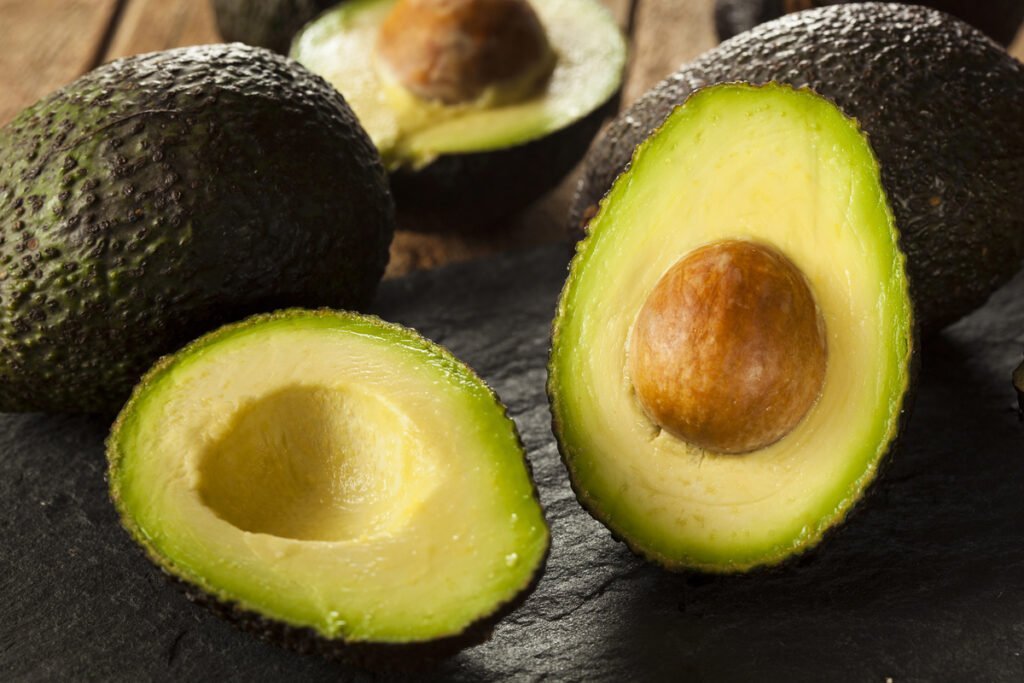
You cut open a perfect avocado, use half, and put the rest in the fridge. Next day: brown, sad, unappetizing. Avocado browning is one of those small kitchen frustrations that feels personal. Here’s the thing — brown avocado is still perfectly safe to eat. But it looks gross, and nobody wants gross guacamole. Here’s how to prevent avocados from turning brown after cutting, ranked from what actually works to old wives’ tales.
Why Avocados Turn Brown
It’s enzymatic browning — the same reaction that browns apples and potatoes. When avocado flesh meets oxygen, an enzyme called polyphenol oxidase triggers browning. It’s harmless (unlike bacterial spoilage), just ugly. Everything that prevents browning works by either blocking oxygen or slowing the enzyme.
What Actually Works (Ranked)
1. Lemon or lime juice — the gold standard
Squeeze citrus juice over the cut surface. The acid dramatically slows the browning enzyme, and the juice forms a slight barrier. This is the most effective home method, full stop. A little citrus also brightens the flavor — it’s why guacamole recipes always include lime. Brush it on evenly; missed spots will brown.
2. Tight plastic wrap, pressed directly on the flesh
Oxygen is the enemy, so eliminate contact. Press plastic wrap directly onto the cut surface — no air pockets — then refrigerate. Combined with lemon juice, this keeps a halved avocado green for 2-3 days. The key is direct contact; loosely draped wrap does almost nothing.
3. Airtight container with onion
This one’s weird but real: store the avocado in a sealed container with a chunk of cut onion. The sulfur compounds the onion releases inhibit browning. Your avocado won’t taste like onion (the flesh is protected by its skin on one side), but the cut surface stays remarkably green. I’ve tested this side by side with plain storage — the onion method wins clearly.
4. Olive oil coating
A thin brush of olive oil creates an oxygen barrier. It works decently for a day, though not as well as acid. Good option when you’re out of lemons.
5. Water submersion
Submerging the avocado half in water in a sealed container blocks oxygen completely. It works for a day or two. The texture gets slightly waterlogged on the surface — pat dry before using. Fine for guacamole-bound avocados, less ideal for pretty avocado toast.
What Doesn’t Really Work
- Leaving the pit in: the most persistent avocado myth. The pit only protects the flesh directly underneath it — the rest browns normally. It’s doing almost nothing. Stop believing in the pit.
- Just putting it in the fridge uncovered: cold slows browning slightly, but exposed flesh still browns within hours.
- Aluminum foil alone: better than nothing, but foil doesn’t seal tightly enough to block oxygen well. Plastic wrap pressed on the surface beats it.
The Best Method: Combine Two
For maximum freshness: squeeze lemon or lime juice over the cut surface, press plastic wrap directly onto it, and refrigerate. This combo keeps avocado halves green for 2-3 days easily. For guacamole, press plastic wrap directly onto the guacamole’s surface (not just over the bowl rim) — the surface-contact trick works for the dip too, and a good squeeze of lime in the mix helps from the inside.
How to Tell If a Cut Avocado Is Still Good
Browning alone is not spoilage — scrape off the brown layer and the green underneath is fine. Actual spoilage signs: a sour or chemical smell, black streaks through the flesh (not just surface browning), or a mushy, stringy texture throughout. A ripe avocado yields gently to pressure; if your finger sinks in with no resistance, it’s overripe. When buying, check by flicking off the stem nub — green underneath means good to go, brown means overripe.
Overripe avocados aren’t garbage either — they’re perfect for chocolate avocado mousse (a surprisingly great 3-ingredient dessert) or smoothies, where texture doesn’t matter.
Avocado Storage FAQ
Can you freeze avocado? Yes! Mash with a squeeze of lemon juice, portion into bags or ice cube trays, and freeze up to 4 months. The texture changes — it’s best for guacamole, smoothies, and dressings, not slicing. This is a great complement to freezing other leftovers when avocados are on sale.
How long does a cut avocado last in the fridge? With proper storage (acid + airtight), 2-3 days. Unprotected, it’s brown within hours and unappetizing by the next day.
Is brown avocado safe to eat? Yes — browning is oxidation, not rot. It might taste slightly bitter, but it won’t hurt you. Scrape off the browned part if the look bothers you.
Should you refrigerate whole uncut avocados? Only once ripe. Unripe avocados ripen faster at room temperature (the paper-bag-with-a-banana trick genuinely speeds it up). Once ripe, the fridge buys you 3-5 extra days.
The Takeaway
To prevent avocados from turning brown after cutting: acid (lemon/lime juice) plus an oxygen barrier (plastic wrap pressed on the flesh) plus the fridge. That’s the whole formula. Forget the pit myth, and stop throwing away brown-but-perfectly-good avocado — a little browning never hurt anyone.
Avocado Toast That Doesn’t Brown by Lunchtime
Meal-prepping avocado toast is tricky because of browning — but it’s doable. Mash the avocado with lemon juice and salt, then pack it in a small airtight container with plastic wrap pressed directly on the surface. Pack your toast or bread separately (soggy bread is worse than brown avocado). At lunchtime, assemble fresh. The mash stays green for a full day this way. For toppings, a sprinkle of everything-bagel seasoning, red pepper flakes, or a fried egg turns basic avocado toast into something worth looking forward to. And if you’re packing work lunches regularly, pre-portioned avocado mash is a great healthy-fat addition to grain bowls and salads too — just keep the acid-and-wrap system in place.
The Science Bit: Can You Stop Browning Entirely?
Honestly? Not with home methods. Commercial operations use ascorbic acid dips and vacuum packaging to keep pre-cut avocado green for weeks, but at home you’re managing browning, not eliminating it. The enzyme reaction starts the moment flesh meets air, and every method is about slowing it down. Acid is the most effective brake because it directly inhibits polyphenol oxidase; oxygen barriers are second. Used together, they buy you days — which is all any home cook needs. If someone sells you a gadget promising zero browning forever, save your money.
Avocado: From Aztec Staple to Superfood
Avocados have been cultivated in Mexico for thousands of years — the Aztecs prized them, and the name comes from the Nahuatl word ahuacatl. The botanical story of the avocado (it’s technically a berry, and its pollination biology is bizarre) is genuinely fascinating. Knowing the history makes the toast taste better. Probably.