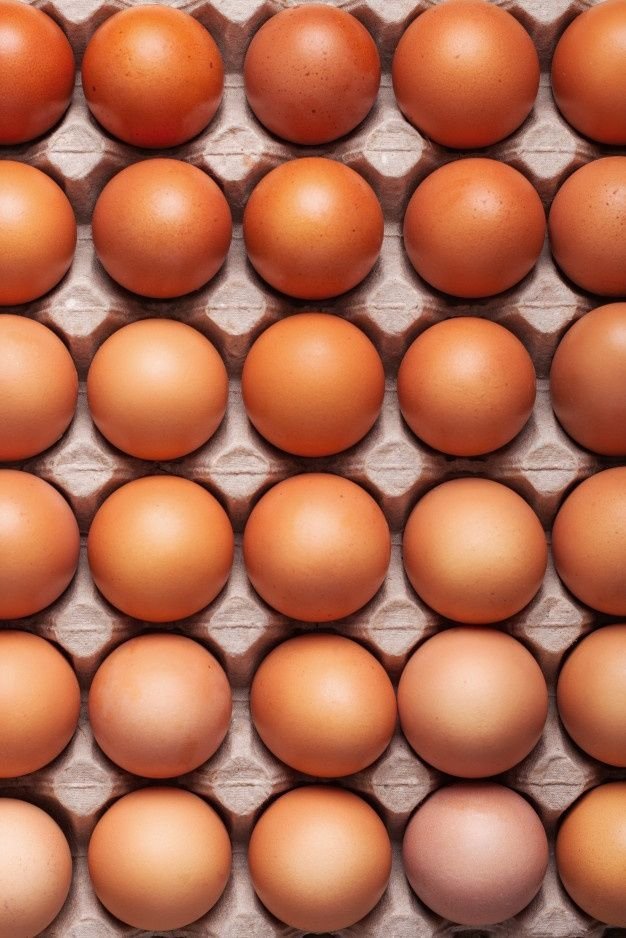
You’re staring at a carton of eggs, the date on it passed last week, and you’re wondering: are these still safe to eat, or am I about to ruin breakfast and possibly my whole day? Good news — eggs last way longer than most people think, and there are reliable ways to check. Here’s how to tell if eggs are still safe to eat without playing Russian roulette with your stomach.
First: What the Date on the Carton Actually Means
That date is usually a “sell-by” or “pack date,” not an expiration date. In the US, eggs carry a 3-digit Julian date showing the day of the year they were packed. Properly refrigerated, eggs stay good for 3 to 5 weeks after you bring them home, according to the USDA — often well past the date stamped on the carton.
So don’t toss eggs just because the date passed. Check them first.
The Float Test (Quick and Reliable)
This is the classic for a reason — it works:
- Fill a bowl or glass with cold water, deep enough to cover an egg.
- Gently place the egg in the water.
- Sinks and lies flat: very fresh. Use it for anything.
- Sinks but stands upright or tilts: still fine, but getting older. Use these for hard-boiling or baking rather than fried eggs — older eggs actually peel easier when hard-boiled.
- Floats to the top: toss it. Floating means enough air has entered through the shell that it’s spoiled or close to it.
The science: eggshells are porous, and as eggs age, moisture evaporates out and air seeps in, enlarging the air cell. More air = more float. It’s simple physics, not magic.
The Sniff Test (The Final Word)
Crack the egg into a separate bowl — not directly into your batter or pan. A bad egg announces itself immediately: the smell of rotten eggs (sulfur) is unmistakable and horrifying. If it smells normal, it’s fine. If it smells off in any way, toss it and wash the bowl well.
This is the test that matters most. The float test tells you age; the sniff test tells you safety. Always crack questionable eggs into a separate bowl first — one bad egg can ruin a whole recipe, and I say this as someone who learned the hard way with a batch of pancake batter.
Visual Clues
- Shell: cracks or a powdery/slimy feel on the shell are bad signs. A slightly rough texture is normal.
- Whites: fresh egg whites are thick and hold together; older whites spread out thin. Either is safe if the egg passes the sniff test.
- Yolk: a fresh yolk sits high and round; an older yolk flattens out. Color varies with the hen’s diet and means nothing about safety.
- Pink, green, or iridescent whites: toss it. That’s bacterial spoilage.
- Blood spots: harmless. It’s just a ruptured vessel from the hen. Pick it out if it bothers you.
How to Store Eggs So They Last
- Keep them in the fridge, always. In the US, eggs are washed before sale, which removes the protective bloom — so they must stay refrigerated. (This is different from many European countries, where unwashed eggs sit at room temp.)
- Store them in the original carton, not the cute egg tray in the fridge door. The door is the warmest spot; the carton protects against odor absorption and moisture loss.
- Don’t wash them. They’re already washed; re-washing just pushes bacteria through the shell.
- Hard-boiled eggs keep about a week in the fridge, in the shell.
If you’re stocking up for big cooking projects — say, a batch of deviled eggs for a party — buy them a week ahead. Slightly older eggs peel much more easily when hard-boiled.
Can You Freeze Eggs?
Yes, with a catch: don’t freeze them in the shell (they’ll crack). Beat whole eggs or separate whites and yolks, add a pinch of salt or sugar to yolks so they don’t gel, and freeze in ice cube trays or muffin tins. They keep for up to a year. Whites freeze beautifully; yolks are a bit fussier. This is a great trick when you find a sale and want to freeze extras for later.
Egg Safety FAQ
Can you eat eggs past the expiration date? Usually yes — the date is about quality, not safety. Refrigerated eggs are typically good 3-5 weeks from purchase. Use the float and sniff tests to check.
What does a bad egg smell like? Sulfur — unmistakable rotten-egg stench. You’ll know. There’s no such thing as a subtly bad egg.
Are brown eggs safer or fresher than white eggs? No difference whatsoever. Shell color just reflects the breed of hen. Same nutrition, same safety, same shelf life.
Is it safe to eat raw or runny eggs? There’s a small salmonella risk with any raw egg. If you’re making mayo, mousse, or runny yolks, use pasteurized eggs to be safe — especially for kids, pregnant women, or older adults.
The Takeaway
To tell if eggs are still safe to eat: check the float test for age, crack into a separate bowl, and trust your nose above all else. Store them cold in their carton, and don’t fear the date on the box — properly refrigerated eggs outlast it by weeks. When in doubt, throw it out; eggs are cheap, food poisoning is not.
Using Up Eggs Before They Go Bad
Got a carton approaching the end of its prime? Eggs are incredibly versatile, and a few recipes use a lot of them at once:
- Quiche or frittata: uses 6-8 eggs and whatever vegetables and cheese are hanging around. Great for brunch or easy dinners.
- Hard-boil a batch: older eggs peel easier, remember? Boil a half-dozen for grab-and-go snacks and salads through the week.
- Custard or bread pudding: uses 4-6 eggs and turns stale bread into dessert. Nobody’s mad about that.
- Homemade pasta: fresh pasta is basically eggs and flour — 3 eggs per cup of flour — and it’s easier than its reputation suggests.
- Egg salad sandwiches: the classic lunch-box hero, and a perfect use for a dozen hard-boiled eggs.
If you bake, keep in mind that room-temperature eggs incorporate better into batters — but only leave them out for the hour or so you’re baking, not all day.
Egg Safety for Vulnerable Groups
For most healthy adults, a runny yolk is a calculated tiny risk. But for pregnant women, young children, older adults, and anyone immunocompromised, food safety experts recommend fully cooked eggs or pasteurized egg products. Pasteurized eggs look and cook like regular eggs — they’re just heat-treated to kill salmonella — and they’re available in most supermarkets. Use them for homemade mayo, Caesar dressing, cookie dough you’ll eat raw, or any dish where eggs stay undercooked. It’s a small price for peace of mind when cooking for people you love.