
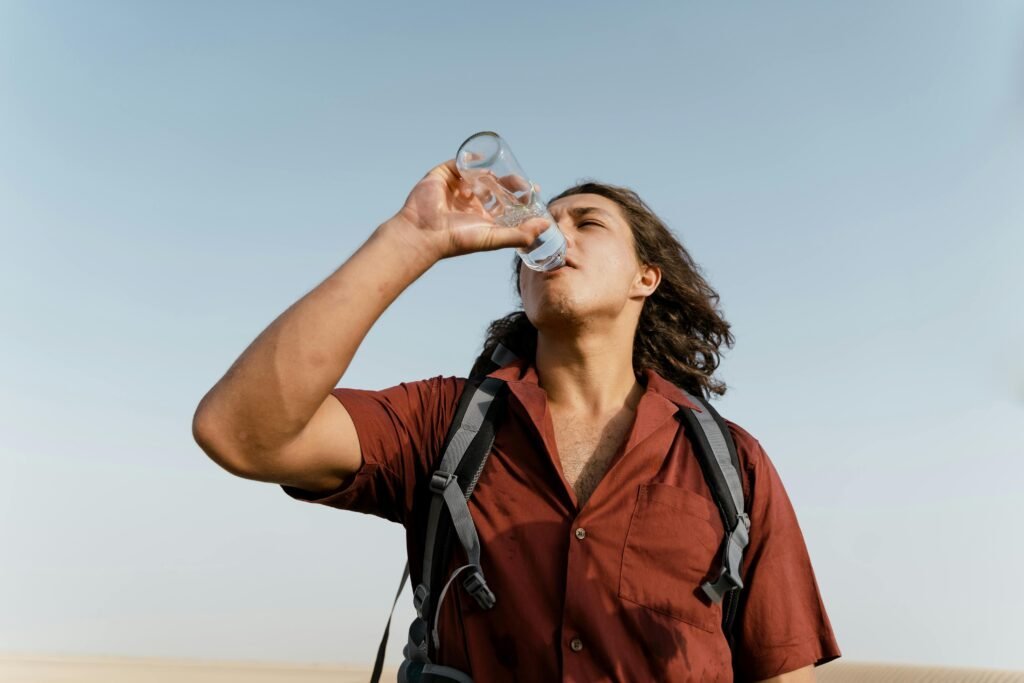
Nothing derails a trip faster than getting sick. I’ve lost days of vacations to stomach bugs I could have avoided — once in Mexico, once in Thailand — and both times the cause was something simple I knew better than to do. The frustrating part? Most travel illness is preventable with habits that take almost no effort. Here’s how to avoid getting sick while traveling abroad, based on hard-won experience and what health authorities actually recommend.
Food and Water: The 80/20 of Travel Health
The vast majority of travel illness comes from contaminated food and water. The rules are simple and worth memorizing:
- Drink safe water. In many destinations, that means sealed bottled water — check the seal yourself. In places with safe tap water (most of Europe, Japan, Australia), refill freely. When in doubt, bottled or treated.
- “Boil it, cook it, peel it, or forget it.” This old traveler’s mantra still holds: eat food that’s cooked fresh and served hot, and fruit you peel yourself. Skip raw salads and buffets that have been sitting out.
- Eat where turnover is high. A busy street stall cooking to order is safer than an empty restaurant with a big menu — high turnover means fresh food.
- Be careful with ice. In places with unsafe tap water, ice is just frozen tap water. Ask for drinks without it, or confirm it’s from purified water.
- Street food isn’t the enemy — lukewarm buffet food is. Follow the crowds and the flames.
The CDC’s food and water safety page for travelers has destination-specific guidance worth checking before you go.
Before You Go: Vaccines, Meds, and Prep
A surprising number of travelers skip this step entirely. Don’t. Four to six weeks before departure:
- Check the CDC destination pages for recommended and required vaccines for your specific country. Some (like yellow fever for parts of Africa and South America) are required for entry.
- Visit a travel clinic or your doctor if you’re going anywhere off the typical tourist path. They’ll cover vaccines, malaria prophylaxis if relevant, and altitude or other region-specific risks.
- Pack a travel health kit: any prescription meds (in original bottles, with copies of prescriptions), anti-diarrhea medication, oral rehydration salts, pain relievers, antihistamines, motion sickness tablets, and basic first aid supplies.
- Know your blood type and allergies in the local language — a translated medical card on your phone is smart.
- Check your health insurance. Most U.S. plans cover little or nothing abroad. Travel medical insurance for a week often costs less than a nice dinner and covers the catastrophic stuff.
On the Ground: Daily Habits That Keep You Healthy
Once you’re traveling, health is mostly about boring consistency:
- Wash your hands. Constantly. Before eating, after transit, after handling money. Carry hand sanitizer (60%+ alcohol) for when sinks aren’t available.
- Don’t touch your face with unwashed hands — this is how respiratory bugs get in.
- Sleep and hydrate. Dehydration and exhaustion tank your immune system. Jet lag isn’t just unpleasant; it makes you vulnerable. Drink water obsessively on travel days.
- Ease into local food. Your gut needs a day or two to adjust. Start gentle, then go adventurous.
- Protect against mosquitoes where relevant: repellent with DEET or picaridin, long sleeves at dusk, and treated bed nets where provided. Mosquito-borne illness is no joke in many regions.
- Sun protection. Sunburn and heat exhaustion ruin trips and are completely preventable. Reapply sunscreen, wear a hat, and respect midday heat.
If you’re doing a lot of walking, the comfort tips in our guide to exploring a new city on foot safely pair well with these health habits.
If You Do Get Sick: Act Early
Despite best efforts, it happens. The key is not toughing it out:
- Traveler’s diarrhea: Hydrate aggressively with oral rehydration salts, eat bland foods, and use anti-diarrhea meds for travel days. See a doctor if there’s blood, fever, or it lasts more than a couple of days.
- Know where to get care. Before you need it, note the nearest reputable clinic or hospital — your hotel can recommend one, and your travel insurance usually has a 24-hour assistance line.
- Keep key phrases handy: “I need a doctor,” your allergies, and your medications, translated. Your phone’s translate app works offline if you download the language pack.
- Don’t self-prescribe antibiotics you bought at a foreign pharmacy unless a clinician advised it. Counterfeit meds are a real problem in some regions.
Special Situations: Kids, Seniors, and Adventure Travel
Some travelers need extra precautions. Traveling with kids: children’s immune systems are less experienced — be stricter about water and food, pack pediatric versions of all medications (dosing is weight-based, so know their current weight), and bring more snacks than seems reasonable. Kids dehydrate faster; offer water constantly, not just when they ask.
Older travelers: check with your doctor about how travel affects chronic conditions and medications — some drugs increase sun sensitivity or interact with antimalarials. Compression socks for long flights aren’t optional vanity; they’re circulation protection. And build rest days into the itinerary — the 25-year-old’s pace will wreck a 70-year-old’s trip.
Adventure and rural travel: hiking, diving, and remote areas add injury and evacuation risk. Tell someone your exact plans, carry a basic first-aid kit plus any activity-specific gear, and seriously consider travel insurance with medical evacuation coverage — a helicopter evacuation abroad can cost $50,000+, and regular health insurance won’t touch it.
When to Call the Embassy
For serious situations, your country’s embassy or consulate can help more than people realize. They can: replace lost passports, contact family on your behalf, provide lists of local doctors and hospitals, and assist if you’re hospitalized or detained. They can’t: pay your medical bills, act as travel agents, or get you out of local legal trouble. Register your trip with your government’s traveler program (STEP for Americans) before you go — it makes consular assistance faster if things go wrong.
The Bottom Line
Avoiding getting sick while traveling abroad comes down to unglamorous basics: safe food and water, clean hands, vaccines sorted in advance, and travel insurance for the worst case. None of it is exciting, but all of it is what separates the travelers who see everything from the ones who see their hotel bathroom. Build these habits once and they become automatic — and every future trip gets better. For the money side of staying healthy and happy on the road, our guide to saving money on travel food covers eating well without the risks or the overspending.






One Comment