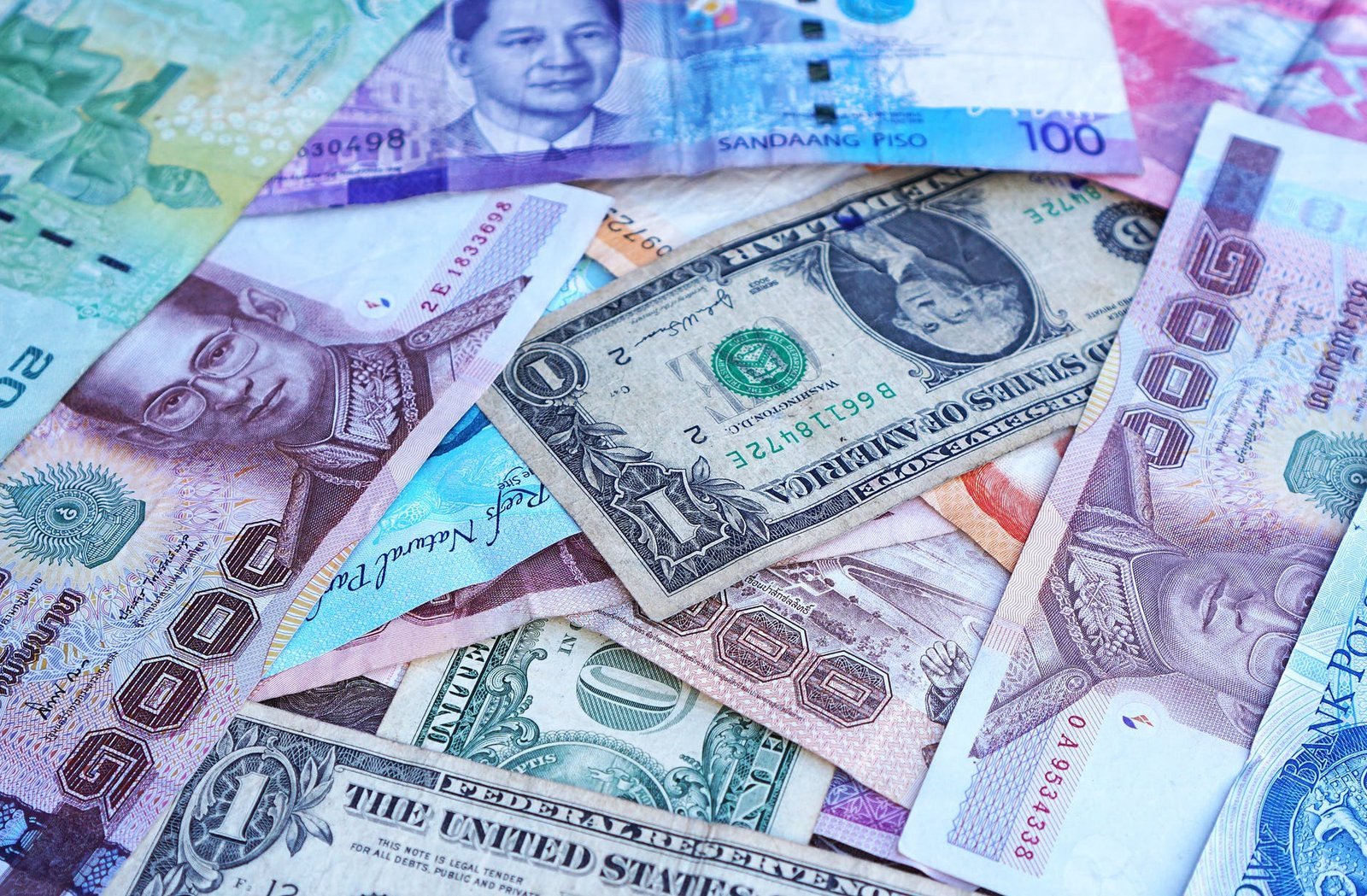
Nothing stings like watching the airport currency exchange board take a 15% cut of your money while you stand there jet-lagged and captive. Exchanging currency is one of those travel tasks where doing it wrong costs real money — $50–100 on a typical trip, vanished into spreads and fees. So what is the best way to exchange currency before traveling abroad? Spoiler: it’s usually not “exchanging currency” at all. The modern answer is mostly about using the right cards and ATMs, with a small amount of cash obtained smartly.
I’ve exchanged money the dumb way (airport kiosks, hotel desks) and the smart way across 20+ countries. The difference adds up to a free nice dinner per trip. Here’s the full strategy.
The Hierarchy: Best to Worst Ways to Get Foreign Currency
1. A no-foreign-transaction-fee debit card at local ATMs (best)
This is the champion for most travelers. Land, find a reputable bank ATM (not the standalone tourist ATMs — more below), withdraw local currency, and you get something very close to the interbank exchange rate — the real rate, not the tourist rate. The keys:
- Use a debit card with no foreign transaction fees and ATM fee rebates. Charles Schwab’s checking account famously rebates all ATM fees worldwide; several online banks and credit unions offer similar. If your bank charges 3% foreign transaction fees plus $5 per ATM withdrawal, get a travel-friendly account before the trip — it takes 15 minutes to open.
- Decline the ATM’s “conversion offer.” ATMs will ask if you want to be charged in USD (“with conversion”) or local currency (“without conversion”). ALWAYS choose local currency. The ATM’s conversion rate is a 5–8% markup disguised as convenience. This single choice is worth more than any other tip here.
- Withdraw larger amounts less often to minimize per-transaction fees (but don’t carry absurd cash — balance fees against safety).
2. A no-foreign-transaction-fee credit card for purchases (best for spending)
For actual purchases abroad, a good travel credit card beats cash: near-interbank rates, no cash to lose, purchase protections, and points. Use it for hotels, restaurants, and shopping wherever cards are accepted (which is nearly everywhere in developed countries). Same rule: always pay in local currency when the terminal offers a choice — the “pay in USD” option (dynamic currency conversion) is the same 5–8% markup as the ATM trick.
3. Exchanging cash at your home bank before departure (good)
Order foreign currency from your bank 1–2 weeks before the trip. Rates are fair (not great, not terrible), there’s no drama, and you land with cash for the taxi, the first meal, the tips. Get a small amount — $100–200 worth — just enough for arrival. This is convenience money, not your trip fund.
4. Local exchange offices abroad (okay, with caveats)
In many countries, competitive exchange shops (not airport ones) offer decent rates — sometimes better than ATMs for large amounts. Rules: compare 2–3 shops, check for commission fees (the posted rate means nothing if there’s a hidden commission), count your money before leaving the window, and never exchange on the street. In some countries (Argentina, Egypt, others with currency controls), the “blue dollar” parallel market offers dramatically better rates — research your specific destination; the official rate isn’t always the real rate.
5. Airport kiosks and hotel desks (avoid)
The worst rates in the game — 10–15% worse than interbank, sometimes more. Use only in genuine emergencies (arriving late with no working ATM). If you must, exchange the minimum to get to your hotel.
What Is the Best Way to Exchange Currency Before Traveling Abroad? The Pre-Trip Checklist
- 2–4 weeks before: Get or confirm a no-foreign-transaction-fee debit card and credit card. Notify banks of travel dates (many don’t require this anymore, but check).
- 1–2 weeks before: Order $100–200 in local currency from your bank for arrival cash.
- Before departure: Download your bank’s app, screenshot emergency numbers, know your PIN (chip-and-PIN is standard abroad; some terminals need it).
- Pack a backup: Two different cards (Visa + Mastercard ideally — acceptance varies), stored separately. If one is lost/compromised, you’re not stranded.
For the broader trip-planning picture, this slots into planning a vacation on a tight budget — currency strategy is an underrated budget lever.
Destination-Specific Notes
- Europe: Cards accepted nearly everywhere; cash needed mainly for small vendors, markets, and tips. Euros from any bank ATM work across the Eurozone.
- UK: Nearly cashless — a no-fee card covers 99% of spending. Barely need pounds at all.
- Japan: Still cash-heavy in places — 7-Eleven ATMs (7-Bank) reliably accept foreign cards; post office ATMs too. Withdraw enough; don’t assume cards work everywhere.
- Southeast Asia / Latin America / Africa: Cash is king in many areas. ATMs are the play, but carry USD or EUR as backup — they’re exchangeable everywhere.
- Countries with currency controls: Research before you go. The official rate can be fiction; know the real landscape.
Tipping and Cash Culture (Don’t Get This Wrong)
Currency isn’t just math — it’s culture. European tipping customs differ sharply from American ones. Some countries are tip-free (Japan — don’t tip, it’s awkward), some tip-light (Europe — round up, 5–10%), some tip-heavy (US-style). A little cultural homework prevents both overspending and offense.
Currency Cheat Sheet by Region
Save this to your phone before departure:
- Eurozone: Get euros from any bank ATM on arrival (decline conversion). Cards accepted nearly everywhere; cash for markets, small cafés, and tips. One currency covers 20 countries — beautiful.
- UK: Nearly cashless — a no-fee card covers 99%. Withdraw £20–40 once for the rare cash-only spot; you’ll probably bring most of it home.
- Japan: Cash-heavy — 7-Eleven ATMs (7-Bank) and post offices accept foreign cards reliably. Withdraw ¥20,000–30,000 at a time. Many smaller restaurants and temples are cash-only.
- Southeast Asia: Cash is king outside malls and hotels. ATMs charge local fees ($3–6/withdrawal) — take out larger amounts less often. USD backup widely exchangeable.
- Latin America: ATMs are the play; beware dynamic conversion offers (always decline). In Argentina specifically, research the current parallel (“blue”) rate situation — the official rate can be dramatically worse.
- Middle East/Africa: Mix of card-friendly cities and cash-only regions. USD or EUR cash as universal backup; exchange at reputable offices, never on the street.
- Everywhere: Two cards (Visa + Mastercard), stored separately. Emergency cash ($100 USD) hidden in deep storage. Bank’s international collect-call number screenshotted offline.
Fifteen minutes with this cheat sheet before you fly saves the average traveler $75–150 per trip. The airport kiosk thanks you for your donation in advance.
The Takeaway
The best way to handle currency before traveling abroad: get a no-foreign-transaction-fee debit card and use bank ATMs at your destination (always declining conversion, always choosing local currency), pay purchases with a no-fee credit card (same local-currency rule), bring $100–200 in pre-ordered cash for arrival, and avoid airport kiosks like the plague. Total cost of this strategy versus the naive approach: often $75–150 saved per trip. Fifteen minutes of card setup before you leave is the highest-ROI travel prep there is. For official consumer guidance, the CFPB’s travel money resources cover your rights and options.