

There’s a persistent myth that great vacations require big budgets. Nonsense. Some of my best trips cost less than a single fancy dinner out, and the planning wasn’t even hard — it was just deliberate. If you’re wondering how to plan a vacation on a tight budget, the secret isn’t deprivation. It’s spending intentionally on what matters to you and ruthlessly cutting what doesn’t, using the same tactics budget travelers have refined for decades.
Step 1: Set the Real Budget First
Before dreaming about destinations, decide the number. A real budget — “we have $1,500 all-in” — is liberating, not limiting. It turns infinite options into a solvable puzzle. Break it into buckets:
- Transportation (getting there): typically 25–35% of the budget
- Lodging: 25–35%
- Food: 20–25%
- Activities: 10–20%
- Buffer: 10% for the unexpected (there’s always something)
Write it down. A budget in your head is a wish; a budget on paper is a plan. For the mindset behind this, the principles in saving money on everyday expenses apply — vacation budgeting is just regular budgeting with palm trees.
How Do I Plan a Vacation on a Tight Budget? Pick the Right Trip for the Money
Not all vacations cost the same. The highest value-per-dollar trips:
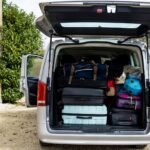
- Road trips: No flights, car as transport, endless free scenery. A week-long road trip for two can run under $1,000. (See what to pack for a road trip.)
- National parks: $80 annual pass, camping $20–35/night, scenery that embarrasses $500-a-night resorts. The best deal in American travel, full stop.
- Beach towns in shoulder season: Same beach, half the price, a third of the crowds.
- City trips with free cores: Washington DC (free Smithsonian museums), Chicago (free lakefront, Millennium Park) — cities where the best stuff costs nothing.
- Visiting friends/family: Free lodging + local guide. The most underrated budget vacation there is.
The pattern: nature is cheap, cities with free attractions are cheap, and the expensive part of any trip is usually lodging + food — which leads to…
Slash the Two Big Costs: Sleep and Eat Smart
Lodging hacks
- Vacation rentals with kitchens — the #1 budget move. Cooking breakfast and packing lunches saves $50–100/day for a couple.
- Travel in shoulder/off season — same destination, 30–50% less. Flexibility on timing is the biggest single saver.
- Consider hostels (private rooms), camping, or house-sitting — the hostel vs. budget hotel breakdown helps you choose.
- Book direct and compare — the tactics in booking hotels for the lowest price work at every budget.
- Stay slightly outside the center — 15 minutes out often halves the price, especially with a car.
Food hacks
- Grocery run on arrival day. Breakfast supplies, snacks, sandwich fixings — the foundation of cheap eating.
- The one-splurge rule: Cook most meals, splurge on one great dinner out. You get the culinary highlight without the daily bleed.
- Lunch as the main meal out: Same restaurants, 30–40% cheaper at lunch.
- Street food and markets: Often the best food in a city at a fraction of restaurant prices. (See finding authentic local food.)
- Picnics: A $15 grocery spread eaten somewhere scenic beats a $60 restaurant lunch for experience-per-dollar.
Free and Cheap Activities (The Fun Part)
The best vacation activities are overwhelmingly free:
- Hiking, beaches, lakes, scenic drives — nature’s entire catalog
- Free walking tours (tip-based, in most cities worldwide)
- Museums with free days, public art, historic districts
- Local events: festivals, outdoor concerts, farmers markets, minor league games (cheap, fun, deeply local)
- The “wander with no agenda” day — consistently travelers’ favorite day in retrospect
Set an activities budget per day and get creative within it. Constraints breed the memorable stuff — the $0 beach day beats the $200 tourist trap in every retrospective.
Transportation savings
- Fly cheap: Find cheap flights safely — flexibility, alerts, and off-peak timing.
- Consider the bus/train: For regional trips, cheap ways to travel between US cities can beat flying.
- At the destination: Public transit passes, walking, biking — rental cars only if the itinerary demands it.
Plan, But Leave Slack
Budget trips need slightly more planning (to lock in deals) but the same amount of spontaneity. Book the big things early (flights, lodging — prices rise), leave daily details loose. And build the 10% buffer into the budget and actually keep it — the flat tire, the must-try restaurant, the unexpectedly perfect tour. A budget with no slack is a budget that breaks.
The $1,000 Vacation Blueprint (Two People, 5 Days)
Proof that tight budgets deliver real trips. Here’s a complete $1,000 vacation for two:
- Destination: A national park region or beach town within driving distance (no flights = $400+ saved instantly).
- Transport ($150): Gas for ~800 miles round trip + tolls. Your car, your schedule.
- Lodging ($350): 4 nights camping ($25–35/night) or 4 nights in a budget vacation rental split… at $1,000 total, camping or a hostel private room keeps this at $300–350. Shoulder season rates help enormously.
- Food ($250): Grocery run on arrival ($120 for 5 days of breakfasts, lunches, snacks) + one nice dinner out ($80) + a couple of casual meals ($50).
- Activities ($150): Park entrance/fees ($30–80), one paid experience (kayak rental, guided tour — $70), the rest free (hiking, beaches, scenic drives, stargazing).
- Buffer ($100): Untouched unless needed. The flat tire fund.
Total: $1,000. What you get: 5 days of nature, adventure, great food, and each other — the same core experience as a $5,000 trip, minus the luxury markup. The blueprint scales: $1,500 adds nicer lodging; $2,000 adds flights somewhere farther. The structure stays the same.
Using Points and Miles (Without the Obsession)
You don’t need to be a points hacker to benefit. The 80/20 of travel rewards: one good travel credit card, used for all spending, paid off in full monthly. The signup bonus alone (typically 50,000–80,000 points) often covers a domestic flight or several hotel nights — that’s a free vacation component for normal spending you’d do anyway. Add a no-annual-fee card from a different program for flexibility. Rules: never carry a balance (interest instantly destroys the value), never buy things for points, and use points within a year or two (they devalue). Casual, disciplined use funds a meaningful chunk of budget travel; obsessive churning is a hobby, not a necessity. Start with one card, one program, and let normal spending do the work.
The Takeaway
Planning a vacation on a tight budget means: setting a real number first, choosing trip types with high value-per-dollar (road trips, parks, shoulder season), slashing lodging and food costs (rentals with kitchens, grocery runs, one splurge meal), leaning into free activities, and booking transport smart. A $1,500 trip planned well beats a $5,000 trip planned poorly — because the memories come from experiences and company, not expenditure. Start with the budget, pick the trip that fits it, and go. The National Park Service is waiting with the best deal in travel.





One Comment