
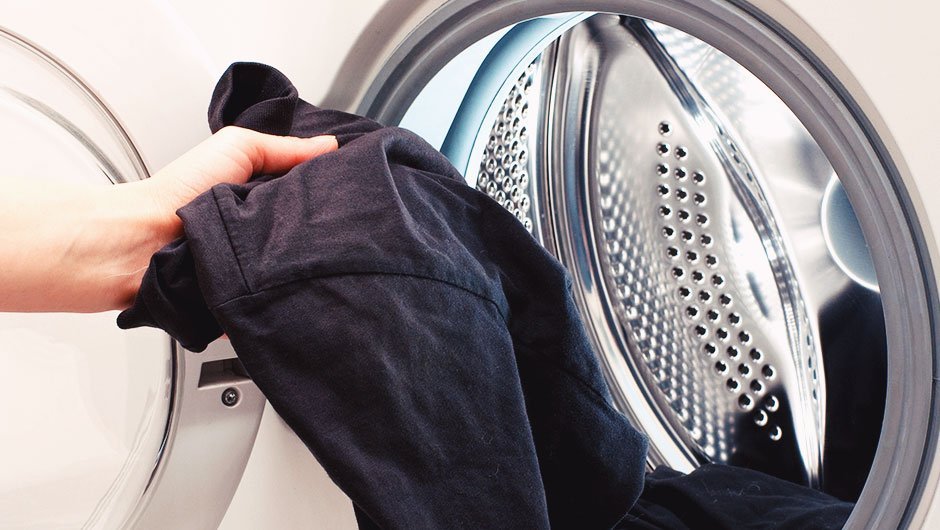
That black shirt was jet black in the store. Three washes later it’s charcoal. Fading is the slow death of a wardrobe — and it’s almost entirely preventable. Most fading comes from a handful of laundry mistakes that are easy to fix once you know them. The question of how can I keep my clothes from fading in the wash comes up constantly — here’s what actually works.
Here’s everything that actually prevents fading, from wash settings to the products worth buying.
Wash Settings: Cold, Gentle, Inside Out
These three changes prevent most fading. Cold water (always for colors and darks — heat opens fibers and releases dye), gentle/delicate cycle (less agitation = less dye loss and fiber damage), and turning clothes inside out (the outside faces less friction and detergent direct-hit). This trio alone will double the color life of your clothes.
Also: don’t overstuff the machine (clothes need room to move freely; cramming increases friction), wash darks with darks and colors with colors (dye transfer dulls everything), and skip the extra rinse unless needed (more water exposure = more dye loss). Shorter cycles for lightly worn clothes — the 15-minute quick wash exists for a reason. The Laundress laundry guides
- Cold water always: heat opens fibers and releases dye — cold is the #1 rule.
- Inside out: protects the visible outside from friction and detergent.
- Gentle cycle: less agitation = less dye loss and fiber damage.
- Don’t overstuff: crammed clothes suffer more friction.
- Sort properly: darks with darks; dye transfer dulls everything.
Detergent and Additives That Protect Color
Use less detergent than you think — most people overdose, and excess detergent doesn’t rinse clean, leaving residue that dulls colors. A detergent formulated for darks/colors (they contain dye-transfer inhibitors and gentler surfactants) genuinely helps; it’s not just marketing. Skip bleach entirely on colors (even ‘color-safe’ bleach fades over time with regular use).
The additives worth knowing: half a cup of white vinegar in the rinse cycle sets dyes and dissolves detergent residue (the smell rinses out completely), and a tablespoon of salt in the first wash of new dark clothes helps set the dye. Commercial color-catcher sheets trap loose dye in mixed loads — cheap insurance. These old-school tricks persist because they work. Good Housekeeping laundry tips
- Use less detergent: overdosing leaves dulling residue — measure, don’t pour.
- Color/dark detergents: dye-transfer inhibitors genuinely help.
- Vinegar rinse: half cup sets dyes and strips residue — smell rinses out.
- Salt for new darks: tablespoon in first wash helps set dye.
- Color-catcher sheets: trap loose dye — cheap mixed-load insurance.
Drying and Habits That Preserve Color
The dryer fades clothes — heat plus tumbling is brutal on dye. Line-dry or dry flat when possible; if you must machine-dry, use low heat and remove promptly. Sunlight fades too (UV breaks down dye), so dry darks and brights in shade or indoors — that sun-bleaching effect is real and cumulative. Dry clothes inside out as well.
Wash less often overall — the gentlest wash is the one that doesn’t happen. Jeans, sweaters, and jackets rarely need washing after every wear; air them out, spot-clean marks, and wash when actually dirty. Fewer washes = less fading, less wear, less water. Your clothes and the planet both win.
- Line-dry when possible: dryer heat + tumbling fades aggressively.
- Dry darks in shade: UV breaks down dye — sun-bleaching is cumulative.
- Low heat if machine-drying: and remove promptly, dry inside out.
- Wash less often: air out and spot-clean; fewer washes = less fading.
- Jeans rarely need washing: spot-clean and air — denim lasts years this way.
Common Mistakes to Avoid
Let me save you some trial and error. These five mistakes are the reason most people’s efforts in this area stall out — and each one is completely avoidable with a minute of awareness.
- Hot water washes: the fastest fader in the laundry room. Cold water for all colors and darks — no exceptions.
- Too much detergent: excess doesn’t rinse clean; the residue dulls colors. Measure — most people use 2-3x what’s needed.
- Dryer on high: heat plus tumbling is brutal on dye. Line-dry or low heat, and remove promptly.
- Sun-drying darks: UV breaks down dye cumulatively. Dry brights and darks in shade; reserve sun for whites.
- Washing too often: the gentlest wash is the one skipped. Air out, spot-clean, and wash when actually dirty.
Frequently Asked Questions
Does vinegar really prevent fading?
Yes — half a cup of white vinegar in the rinse cycle helps set dyes and dissolves dulling detergent residue. It’s one of the oldest laundry tricks because it works. The smell rinses out completely.
Why do black clothes turn gray?
Dye loss from hot water, harsh detergent, friction, and UV — plus detergent residue and dye transfer from mixed loads. Cold wash, inside out, proper sorting, and shade-drying keep blacks black years longer.
Are color-protecting detergents worth it?
Reasonably — they contain dye-transfer inhibitors and gentler surfactants that genuinely reduce fading versus regular detergent. Combined with cold water and inside-out washing, the difference is visible over months.
How do I fix already-faded black clothes?
Fabric dye ($4-8) restores faded blacks dramatically on natural fibers — washing-machine method, 30 minutes. For slight fading, a vinegar soak and proper washing going forward stops further loss. Prevention beats restoration, but restoration works.
Pro tip: Revisit this guide in 30 days. You’ll catch details you missed the first time, and the second read tends to stick because you’ve got real experience to attach it to.
How can I keep my clothes from fading in the wash: The Bottom Line
Stop fading with: cold water, inside-out, gentle cycle (the big three); less detergent plus color-specific formulas, vinegar rinses, and salt for new darks; line-drying in shade instead of hot dryers; and washing less often overall. Fading isn’t inevitable aging — it’s preventable damage from heat, friction, and chemistry. Treat your clothes gently and that black stays black — wash after wash, season after season.






One Comment