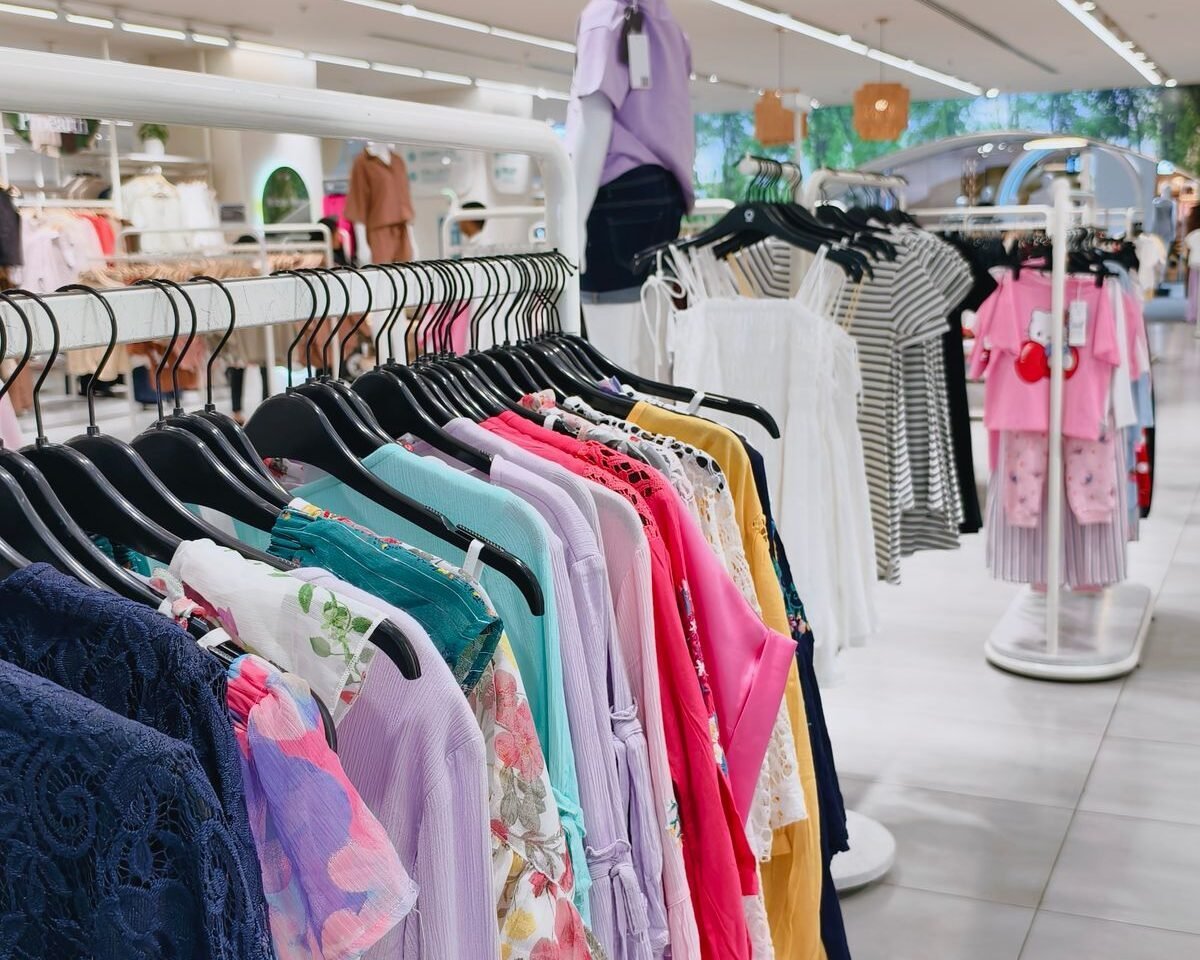
You can buy a trendy dress for $12 or a similar-looking one for $120. Both cover you. But the $12 dress was designed to be worn a few times and replaced, made as cheaply as possible, as fast as possible. That business model — and its alternative — is what the fast fashion vs. slow fashion debate is really about. So let’s take what is the difference between fast fashion and slow fashion seriously and answer it properly.
It’s not just a price difference; it’s a completely different philosophy of making and buying clothes. Here’s the honest breakdown of both, without the preachiness.
Fast Fashion: How It Works and What It Costs
Fast fashion brands (Shein, Zara, H&M’s trend lines, Fashion Nova) compress the traditional fashion cycle from months to weeks — or days. They spot trends on social media, manufacture cheaply overseas at massive scale, and sell at prices that make clothes feel disposable. The model depends on volume: you buying 50 cheap items a year instead of 10 good ones.
The costs are real and well-documented. Environmentally, fashion is among the most polluting industries — textile dyeing pollutes waterways, synthetic fabrics shed microplastics, and discarded clothes pile up in landfills (the average American throws away 80+ pounds of clothing yearly). On labor, the pressure for $5 shirts squeezes factory workers’ wages and conditions. And for you: the clothes pill, fade, and lose shape fast, which is the point — you’ll be back next month. Fashion Revolution transparency resources
- Speed is the model: trends to stores in weeks; designed for rapid turnover.
- True cost is hidden: $12 price tags externalize environmental and labor costs.
- Quality is intentionally low: clothes are engineered for a short life — you’ll rebuy.
- Microplastic shedding: cheap synthetics release plastics into waterways with every wash.
- Landfill math: 80+ pounds of discarded clothing per American per year.
Slow Fashion: The Alternative Philosophy
Slow fashion isn’t a brand — it’s an approach: buy fewer, better pieces; choose quality materials and construction; repair instead of replacing; consider who made your clothes and how. It includes everything from $200 ethically-made jeans to thrifted vintage to simply wearing what you own for years. The core metric is cost-per-wear, not price tag.
The honest critique: slow fashion can feel elitist. ‘Just buy a $200 sweater’ is tone-deaf advice for tight budgets. But slow fashion at its best isn’t about expensive brands — thrifting, clothing swaps, repairing, and simply buying less are all slow fashion, and they’re the cheapest options available. The movement’s real enemy isn’t affordable clothes; it’s the disposable mindset. Ellen MacArthur Foundation fashion circularity work
- Buy less, choose well: the core principle — fewer pieces, better made, worn longer.
- Cost-per-wear thinking: $100 boots worn 200 times beat $30 boots worn 10 times.
- Repair culture: resoling, re-heeling, mending — extending life instead of replacing.
- Thrifting counts: secondhand is slow fashion’s most affordable entry point.
- It’s a spectrum: you don’t have to be pure — every better choice counts.
The Practical Middle Ground (Where Most of Us Live)
Here’s my take: purity is overrated, progress matters. You don’t need to swear off affordable stores entirely — you need to change how you buy. Apply slow-fashion thinking everywhere: buy only what you’ll wear 30+ times, check fabric and construction before price, avoid ultra-trendy pieces that’ll embarrass you in a year, and take care of what you own.
Concrete moves: thrift first for trendy experiments (so the landfill cost is zero when the trend dies), invest in timeless staples (jeans, blazers, boots, coats), learn basic repairs, and institute a 48-hour rule for impulse buys. You’ll spend less money overall — that’s the part fast fashion doesn’t advertise. The disposable model is expensive; it just hides the cost in volume.
- 30-wear rule: don’t buy it unless you’ll wear it 30+ times.
- Thrift the trends: experiment with trends secondhand — zero guilt when they fade.
- Invest in timeless staples: jeans, blazers, coats, boots — the decade pieces.
- 48-hour impulse rule: wait two days; most ‘must-haves’ evaporate.
- Care for what you own: proper washing and storage doubles garment life.
Common Mistakes to Avoid
Before you put any of this into practice, save yourself the learning curve: here are the classic errors that derail progress. I’ve made several of these myself, so consider this the shortcut I wish I’d had.
- Treating it as all-or-nothing: you don’t need purity — every better choice counts. Progress beats perfection in sustainable fashion.
- Assuming slow = expensive: thrifting, swapping, repairing, and buying less are slow fashion’s cheapest forms. The movement isn’t just $200 sweaters.
- Donating fast fashion guilt-free: donating doesn’t erase impact — the item still exists. Buy less first; donate second.
- Falling for greenwashing: ‘conscious collections’ from ultra-fast-fashion brands are marketing. Check actions, not ad campaigns.
- Ignoring cost-per-wear: the $12 top worn twice costs $6/wear; the $60 jeans worn 100 times cost $0.60/wear. Do the real math.
Frequently Asked Questions
Is Shein really that bad?
The model is the problem: ultra-fast production, disposable quality, documented labor and environmental concerns. Occasional purchases won’t doom the planet, but the business model depends on overconsumption — which is worth understanding before buying.
Can I be sustainable on a tight budget?
Yes — the most sustainable actions are also the cheapest: buy less, thrift, repair, swap, and care for what you own. Sustainability’s expensive reputation comes from premium eco-brands, not from the actual practices.
What is greenwashing in fashion?
Marketing that suggests environmental responsibility without meaningful action — ‘conscious’ lines from brands whose core model is overproduction. Look for third-party certifications, transparency reports, and business-model changes, not just green-colored hangtags.
How do I start shifting away from fast fashion?
Start with the 30-wear rule and the 48-hour impulse rule — they cost nothing and immediately cut waste. Thrift your trend experiments, invest in timeless staples, and learn basic repairs. Small systematic changes beat dramatic purges.
Pro tip: Tell one person what you’re working on. Social accountability — even casual — measurably increases follow-through. You don’t need an accountability partner; you need a witness.
What is the difference between fast fashion and slow fashion: The Bottom Line
Fast fashion optimizes for speed and price through disposable quality, with real environmental and labor costs hidden behind the $12 tag. Slow fashion optimizes for longevity — fewer, better pieces worn for years — and it’s not just for the wealthy: thrifting, repairing, and buying less are its most affordable forms. The practical move is the middle: apply slow thinking everywhere (30-wear rule, thrift trends, invest in staples), and you’ll spend less money while building a better wardrobe. That’s not a compromise — it’s just smarter shopping.