
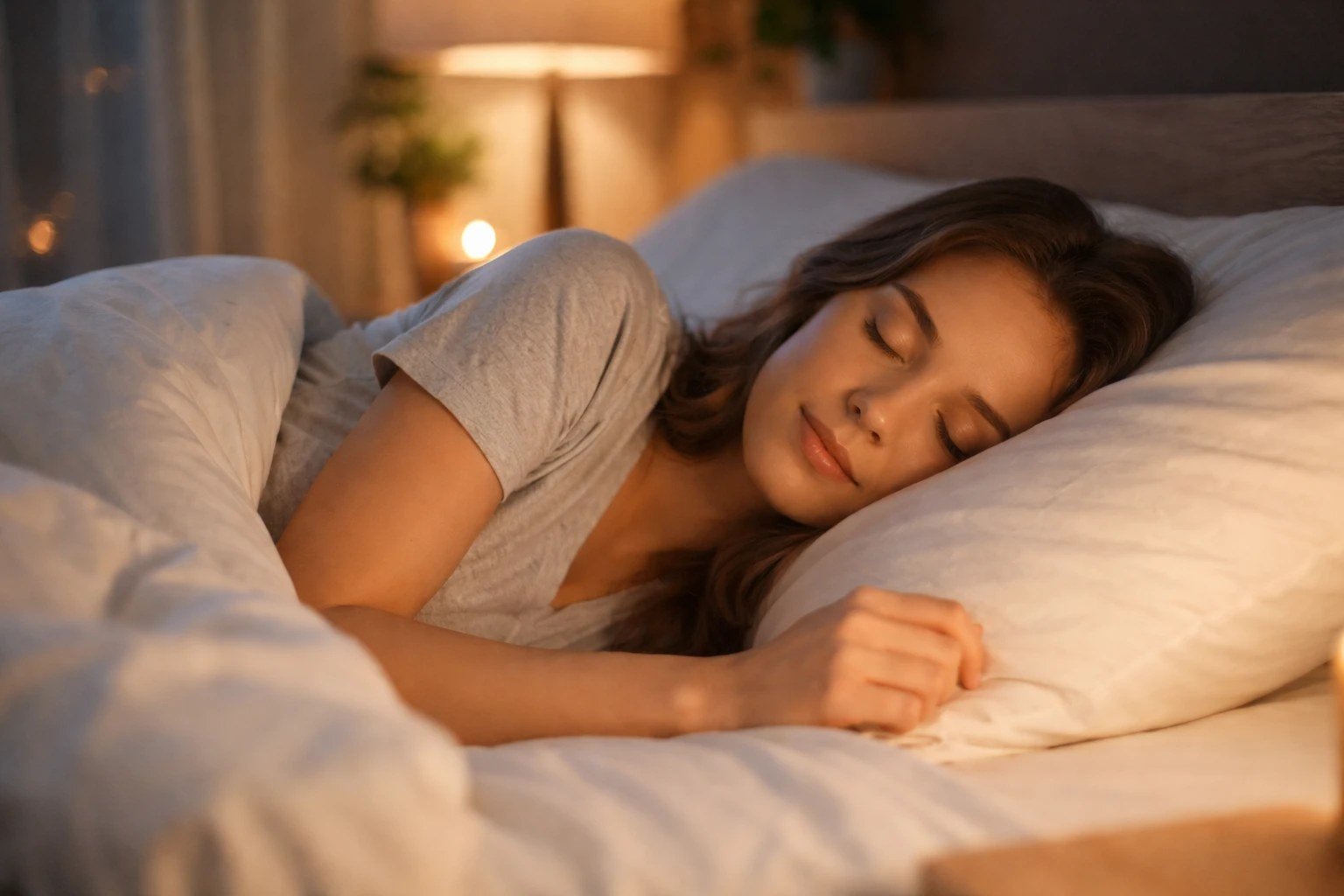
How can I fall asleep faster without sleeping pills? If you’re reading this at 2 AM, welcome — you’re in vast company. Roughly a third of adults struggle with sleep onset, and the standard advice (“just relax!”) is infuriatingly useless. Sleeping pills work but come with dependence, grogginess, and side effects nobody wants long-term. The good news: sleep science has identified techniques that genuinely accelerate sleep onset, most of them free and side-effect-free. Here are twelve, ranked roughly by effectiveness.
How Can I Fall Asleep Faster Without Sleeping Pills?
1. The military sleep method. Developed for fighter pilots who needed to sleep anywhere: relax your entire face (jaw, tongue, around eyes), drop your shoulders, relax your arms and legs, clear your mind for 10 seconds by picturing a calm scene. Practitioners report falling asleep within 2 minutes after ~6 weeks of practice. It sounds too simple; the evidence for progressive muscle relaxation techniques is genuinely strong.
2. Cognitive shuffling. Pick a random letter, then visualize random objects starting with it (apple, airplane, anchor…) — deliberately boring, disconnected images. This occupies the verbal brain just enough to block the anxious rumination that keeps you awake, without being stimulating. It’s like counting sheep, upgraded by neuroscience.
3. The 4-7-8 breathing technique. Inhale 4 seconds, hold 7, exhale 8. The extended exhale activates your parasympathetic nervous system — the physiological opposite of the fight-or-flight arousal keeping you up. Even a few cycles measurably slow heart rate. It won’t knock you out instantly, but it shifts your nervous system toward sleep mode.
How Can I Fall Asleep Faster? Fix Your Environment (4-7)
4. Cool the room. Your core body temperature must drop to initiate sleep — a cool room (65-68°F / 18-20°C) facilitates this. A hot bedroom is one of the most common fixable sleep saboteurs. A warm shower 1-2 hours before bed paradoxically helps: the subsequent cooldown mimics the natural temperature drop.
5. Kill the light. Even dim light suppresses melatonin. Blackout curtains or a sleep mask, cover LED lights, and — the big one — stop the phone scrolling. It’s not just blue light (though that matters); it’s the content keeping your brain engaged. Charge your phone outside the bedroom if you can.
6. Manage noise. Silence is ideal, but consistent background noise (white noise machine, fan) beats intermittent noise (traffic, housemates). Earplugs work too. The key is predictability — your brain tunes out constant sounds but startles at variable ones.
7. Invest in the basics. An uncomfortable mattress or pillow keeps you micro-awake all night. You don’t need luxury — just not-wrong: adequate support, breathable bedding, no lumps. People underestimate how much physical discomfort fragments sleep onset.
Daytime Habits That Determine Nighttime Sleep (8-12)
8. Morning sunlight. 10-30 minutes of outdoor light within an hour of waking anchors your circadian rhythm more powerfully than almost anything else. It sets the timer for melatonin release ~14 hours later. This single habit transforms sleep for many people.
9. Cut caffeine by early afternoon. Caffeine’s half-life is 5-6 hours — that 3 PM coffee is still quarter-strength at 3 AM. If sleep onset is your issue, try a noon caffeine cutoff for two weeks and judge the difference.
10. Exercise — but time it right. Regular exercise improves sleep quality significantly, but vigorous workouts within 2-3 hours of bed can delay sleep for some people. Morning or afternoon exercise is the sweet spot. Even regular walking moves the needle.
11. The worry window. Racing thoughts? Schedule 15 minutes in the early evening to write down every worry and next action. This “offloads” rumination — studies show externalizing worries reduces bedtime mental chatter measurably.
12. Get up if you’re stuck. If you’re awake after ~20 minutes, get up, go somewhere dim, do something boring (not screens), and return when sleepy. This breaks the bed = frustration association that perpetuates insomnia. Your bed should mean sleep, not struggle.
When to See a Doctor
If sleeplessness persists for weeks despite good habits, or if you snore loudly, gasp awake, or feel unrefreshed despite adequate hours (possible sleep apnea), see a doctor. Chronic insomnia is a medical issue deserving professional treatment — including CBT-I (cognitive behavioral therapy for insomnia), which outperforms sleeping pills long-term. Don’t white-knuckle a medical problem. For related issues, see dizziness on standing and headache evaluation — poor sleep connects to many symptoms.
The Napping Question (Help or Harm?)
Naps are a double-edged sword for sleep onset. Done right, they’re restorative; done wrong, they steal your nighttime sleepiness. The rules: keep it short — 10-20 minutes avoids deep sleep and grogginess (the “coffee nap,” drinking coffee right before a 20-minute nap, is strangely effective as the caffeine kicks in upon waking). Keep it early — before 3 PM, so sleep pressure rebuilds by bedtime. Keep it consistent — regular nappers adapt better than sporadic ones.
If falling asleep at night is your core problem, consider skipping naps entirely for two weeks as an experiment — increased daytime sleep pressure often resolves onset difficulty on its own. And if you need marathon naps (2+ hours) to function, that’s information: either your nighttime sleep is inadequate or something medical deserves attention. Naps should supplement good nights, not compensate for bad ones.
Building Your Personal Sleep System
Don’t try all twelve techniques tonight — that’s a recipe for performance anxiety about sleep (which is itself insomnia fuel). Instead: pick the military method or cognitive shuffling as your in-bed technique, fix one environmental factor this week (temperature or light), and adopt one daytime habit (morning sunlight is the highest-leverage choice). Master those three over a month, then layer in more. Sleep improvement compounds — small consistent changes beat dramatic overhauls that last three days.
The Practical Takeaway
To fall asleep faster without sleeping pills: practice the military sleep method or cognitive shuffling tonight, cool and darken your room, get morning sunlight, cut afternoon caffeine, and offload worries before bed. These aren’t folk remedies — they’re the highest-evidence techniques sleep science offers. Start with two or three tonight; layer in the rest over the coming weeks. And if persistent sleeplessness resists all of it, see a doctor — good sleep is a medical necessity, not a luxury. The science of sleep explains why consistency beats intensity — your circadian rhythm rewards routine more than any single trick.





One Comment