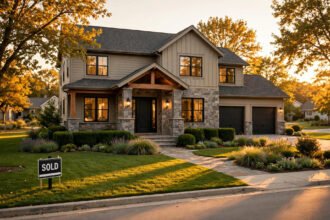
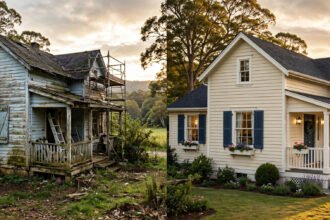
Building your home from scratch offers what no existing house can: every room exactly as you want it, modern systems throughout, and no inherited problems. It also offers what no existing house does: a complex, months-long project where budgets explode and timelines slip without expert management. Done right, custom building delivers dream homes at competitive costs. Done wrong, it delivers expensive lessons. Here is the complete roadmap.
Finding and Evaluating Land
Land selection determines everything downstream. Beyond price and location, evaluate: zoning and permitted uses (can you legally build what you want?), soil conditions and topography (steep or unstable land multiplies foundation costs), utility access (extending water, sewer, power, and internet to remote lots can cost tens of thousands), road access and frontage requirements, flood zones and environmental restrictions, and HOA or deed restrictions that may dictate what you build. Order a survey, soil tests, and perk tests for septic if applicable before committing. The EPA’s septic system guidance explains what perk tests evaluate and why they matter for rural builds. Check future development plans nearby; that pristine view may face a highway project. Financing land differs from home loans: expect 20 to 50% down, higher rates, and shorter terms, with construction loans later rolling everything together. Walk the lot in bad weather and at different times; land reveals its secrets slowly. The cheapest lot is rarely the cheapest build.
Construction Loans: How Building Gets Financed
Standard mortgages do not work for construction; you need specialized financing. Construction-to-permanent loans fund the build in draws as work completes, then convert to a regular mortgage, ideal for most custom builds. Stand-alone construction loans cover building only, requiring separate permanent financing later. Renovation-style loans work for major rebuilds on existing lots. Expect 20 to 25% down, higher rates during construction, rigorous underwriting including builder approval, detailed plans, and appraisals based on future value. The draw schedule matters enormously: understand inspection requirements for each disbursement and keep contingency reserves, since cost overruns cannot be financed mid-project easily. Work with lenders experienced in construction lending; generalist lenders mishandle draw administration. Get pre-approved before finalizing land purchase so financing surprises do not strand you with an unbuildable lot. Your builder’s reputation affects loan approval, another reason builder selection is financial, not just aesthetic.
Choosing Your Builder (and Contract Type)
Builder selection is the highest-stakes decision in the project. Vet thoroughly: verify licensing and insurance, visit completed projects and talk to past clients about budget adherence and communication, check complaint histories with consumer protection agencies, and assess financial stability, since builder bankruptcy mid-project is catastrophic. Understand contract types: fixed-price contracts cap your cost but require fully detailed plans upfront and generate change-order battles; cost-plus contracts offer transparency but unlimited upside risk; either works with the right builder and fails with the wrong one. Get everything in writing: specifications down to fixture models, allowances with realistic numbers, timeline with milestones, payment schedules tied to completion, and warranty terms. Never pay large upfront deposits; payments should follow verified progress. A great builder makes construction enjoyable; a bad one makes it a legal proceeding. Choose with the gravity the decision deserves.
Budgeting: The Real Cost of Building
Construction budgets fail from optimism, not arithmetic. Beyond the builder’s contract, budget: land costs and closing, site preparation (clearing, grading, driveway), utility connections, permits and impact fees (which can reach five figures), design and engineering fees, landscaping, window coverings, appliances and fixtures beyond allowances, and temporary housing during construction. Then add a 10 to 20% contingency reserve for the overruns that occur in virtually every project; budgets without contingency are fantasies. Track costs against the budget weekly, not monthly; small overruns compound silently into crises. Understand allowance risk: builder allowances for fixtures and finishes are routinely set low, and upgrading to what you actually want costs real money. Be decisive during selections; change orders are the budget’s worst enemy, carrying premium pricing and schedule delays. The Department of Energy’s building resources help you evaluate energy-efficient choices that reduce lifetime costs.
Managing the Build: Timeline and Quality
Typical custom builds take 8 to 14 months from groundbreaking, longer for complex designs or difficult sites. Understand the phases: site work and foundation, framing, mechanical rough-ins, insulation and drywall, finishes, and final punch list. Visit the site regularly but respectfully; scheduled walkthroughs at phase completions catch issues when they are cheap to fix. Hire an independent inspector for phase inspections even with municipal inspections, since code minimum is not quality. Document everything with photos throughout. Communicate issues promptly and in writing; verbal agreements on construction sites evaporate. Plan for the punch list realistically: no build finishes perfect, and a thorough final walkthrough with written deficiency lists protects you. Hold final payment until punch list completion; it is your only leverage. Patience during construction pays dividends for decades; rushing finishes creates permanent regrets. For the outdoor spaces, plan early: staining a wooden deck properly and similar finish work deserve the same care as interior selections.
Common Mistakes That Derail Builds
Learn from others’ expensive errors. Under-budgeting contingencies is the classic; assume overruns, not perfection. Over-customizing for the neighborhood creates resale problems; the most expensive home on the street rarely appraises proportionally. Skipping soil and survey due diligence produces foundation nightmares. Choosing builders on price alone invites the corner-cutting that cheap bids require. Making endless changes during construction destroys budgets and timelines; finalize decisions before breaking ground. Neglecting to plan for construction safety and site security risks theft and liability; using the safest ladders and proper equipment matters for any DIY finish work. Ignoring energy efficiency to save upfront costs wastes decades of utility bills. And failing to understand the loan’s draw and conversion mechanics creates financing crises mid-project. Each mistake is avoidable with the preparation this guide describes.
Working With Architects and Designers
Design quality determines whether your custom home delights or disappoints for decades. Architects translate your lifestyle into floor plans, navigating structural requirements, building codes, and aesthetic coherence; their fees typically run 8 to 15% of construction cost but pay back in avoided mistakes and better design. Interview multiple architects, review portfolios of built work (not just renderings), and assess how well they listen versus impose. Clarify the service scope: schematic design only, full construction documents, or ongoing construction administration where the architect monitors the build. Interior designers handle finishes, fixtures, and furnishings; engage them before selections overwhelm you, not after. The design phase feels slow and expensive, but every hour invested here saves ten during construction when changes cost real money. Great design also protects resale; timeless, functional layouts outperform trendy excess in every market.
Conclusion
Buying land and building from scratch rewards the prepared: evaluate land thoroughly including utilities and zoning, secure construction-to-permanent financing with adequate down payment, choose builders through rigorous vetting, budget with real contingencies, manage the timeline through phase inspections, and avoid the classic mistakes. The result, a home built exactly for you with modern everything, justifies the complexity for those who plan properly. Start with land diligence, and every subsequent step gets easier.
Frequently Asked Questions
How much does it cost to build a house from scratch?
Typically $150 to $400-plus per square foot depending on region, finishes, and complexity, plus land costs. Total budgets for modest custom homes often run $400,000 to $800,000 including land.
How long does it take to build a custom home?
Usually 8 to 14 months from groundbreaking for typical custom homes, plus design and permitting time beforehand. Complex builds or difficult sites take longer.
What down payment do construction loans require?
Typically 20 to 25% of total project cost. Land equity can count toward the down payment, which helps buyers who already own their lot.
Is building cheaper than buying existing?
Sometimes, but not reliably. Building offers customization and new systems; buying existing is usually faster and often cheaper per square foot. Compare total costs honestly for your market.