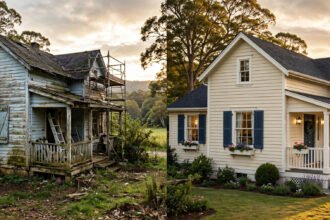
Staging is the art of making buyers fall in love with your home, and its impact on sale price is one of real estate’s best-documented effects. Professionally staged homes sell faster and often for measurably more than unstaged ones, a pattern documented in the National Association of Realtors' home staging reports, because buyers do not just evaluate square footage; they imagine their lives in the space. The good news is that effective staging is mostly about subtraction, cleaning, and arrangement rather than expensive renovation. Here is how to do it right.
Start With Subtraction: Declutter Ruthlessly
Staging begins with removing, not adding. Buyers need to see the house, not your life in it, so pack away personal photos, collections, knickknacks, and anything that screams the current occupant. Clear kitchen counters to near-empty, leaving at most one or two attractive items. Thin out closets and cabinets by half; buyers open them, and spacious storage sells. Remove excess furniture; most rooms look bigger and better with less in them, so store pieces in a garage or rental unit. Clear every surface, every floor area, every corner of visual noise. This process is essentially moving early, so treat it as getting ahead on packing rather than as extra work. The transformation from cluttered to clear is the single highest-return staging activity, and it costs nothing but effort. For a systematic approach, declutter without feeling overwhelmed using room-by-room methods.
Deep Clean Like a Five-Star Hotel
Cleanliness signals maintenance, and buyers equate dirty with neglected. Deep clean everything: baseboards, window tracks, grout, ceiling fans, inside appliances, light fixtures. Shampoo carpets or, better, refinish hardwood floors if they are worn; floors dominate buyers’ visual field. Wash windows inside and out, because natural light sells and dirty glass dims every room. Eliminate odors completely rather than masking them; buyers distrust heavy air freshener, which signals something hidden. Consider professional cleaners for the initial deep clean, a few hundred dollars that pays for itself many times over. Then maintain ruthlessly during the listing period, because showings happen with little notice. A spotless home tells buyers the property was loved, which translates directly into offer confidence. Details buyers notice include making your home smell amazing on a budget through natural freshness rather than artificial scents.
Room-by-Room Staging Priorities
Focus energy where buyers decide. The living room should feel spacious and inviting: arrange furniture to highlight the room’s best feature, fireplace, view, or flow, and ensure clear walkways. The kitchen sells homes; clear counters, update cabinet hardware if dated, ensure all appliances gleam, and add one fresh element like a bowl of fruit. Bedrooms should feel like serene retreats: neutral bedding, minimal furniture, no personal clutter. Bathrooms must sparkle: new shower curtain, matching towels, cleared counters, and everything gleaming. The primary bedroom deserves extra attention as buyers’ emotional anchor. Do not neglect the entryway; first impressions form in seconds. Each room needs a clear purpose; undefined spaces confuse buyers, so stage that awkward nook as a reading corner or office. The goal throughout is aspirational but attainable, a life buyers want that feels within reach.
Cheap Upgrades With Outsized Returns
A small set of inexpensive improvements consistently pays back many times their cost. Fresh neutral paint throughout is the highest-ROI staging investment; it makes everything look newer for a few hundred dollars. Remodeling Magazine’s Cost vs. Value Report tracks which improvements return the most at resale each year. Updated lighting, brighter bulbs, modern fixtures in key rooms, transforms ambiance cheaply. New cabinet hardware modernizes kitchens and baths for under a hundred dollars. Fresh caulk, touched-up trim, and repaired minor defects remove the “neglected” signals buyers penalize. Improving curb appeal cheaply is essential, since exterior impressions shape everything that follows: mow, mulch, trim, paint the front door, update house numbers. Inside, simple upgrades that increase home value like new switch plates and door handles add polish buyers feel without identifying. Total investment for transformative staging often runs under $2,000, returning many times that in price and speed.
Photography and Showings: The Final Mile
Most buyers meet your home online first, so photography is not optional polish; it is the primary marketing. Hire a professional real estate photographer; the few hundred dollars routinely generates dramatically more showings than phone photos. Shoot in daylight with all lights on, and ensure the home is in perfect showing condition for the shoot. For showings, leave the house; buyers cannot imagine living somewhere while the owner hovers. Set the scene: open blinds, turn on every light, set comfortable temperature, and add subtle life, fresh flowers, a set breakfast table. Accommodate showing requests flexibly, since declined showings are lost buyers. During open houses, secure valuables and personal documents. The cumulative effect of perfect presentation, professional photos, and easy access is more qualified buyers competing, which is exactly how top-dollar prices happen.
Virtual Staging and Online Presentation
When physical staging is impractical, virtual staging, digitally furnishing listing photos, offers a cost-effective alternative at a fraction of professional staging prices. Quality varies enormously, so use reputable providers whose work looks realistic rather than cartoonish, and disclose virtually staged images as required by local rules. Beyond staging, optimize the entire online presentation: write listing descriptions that sell lifestyle rather than listing features, ensure floor plans are included since buyers strongly prefer them, and consider twilight photography for striking exterior shots. Video walkthroughs and 3D tours expand your buyer pool to relocators who cannot visit easily. In markets where most buyers first encounter homes on phones, your digital presentation is your first showing; invest in it accordingly.
When to Hire a Professional Stager
DIY staging handles most situations, but professionals earn their fees in specific cases. Vacant homes almost always benefit, since empty rooms feel smaller and buyers struggle to gauge scale. Luxury properties justify professional staging because buyer expectations and price premiums are highest. Homes with awkward layouts need expert space planning to show functionality buyers cannot envision. If your home has been sitting without offers despite good marketing, a stager’s fresh eyes often identify the invisible problem. When hiring, review portfolios for work in your price range, get itemized quotes, and clarify rental terms for furniture. Even a consultation-only engagement, where the stager creates a plan you execute, delivers most of the value at a fraction of full-service cost.
Conclusion
Staging your home to sell for top dollar is a systematic process: declutter ruthlessly, deep clean to hotel standards, stage key rooms with purpose, invest in cheap high-return upgrades, maximize curb appeal, and present flawlessly through professional photography and flexible showings. The total investment is modest; the return in price and speed is among the best in real estate. Buyers pay premiums for homes where they can instantly imagine their future. Give them that vision, and the offers will follow.
Frequently Asked Questions
How much does home staging cost?
DIY staging typically costs $500 to $2,000 for paint, cleaning, and minor updates. Professional staging services run $2,000 to $5,000-plus depending on home size and market, with strong documented returns.
Is staging really worth it?
Yes. Industry studies consistently show staged homes sell faster and for higher prices than unstaged ones. Even basic decluttering, cleaning, and depersonalizing delivers most of the benefit.
Should I stage a vacant home?
Vacant homes benefit enormously from staging since empty rooms feel smaller and colder. Even partial staging of key rooms, or virtual staging for photos, significantly outperforms completely vacant presentations.
What rooms matter most when staging?
Living room, kitchen, primary bedroom, and bathrooms drive buyer decisions. The entryway shapes first impressions, and curb appeal determines whether buyers even come inside.