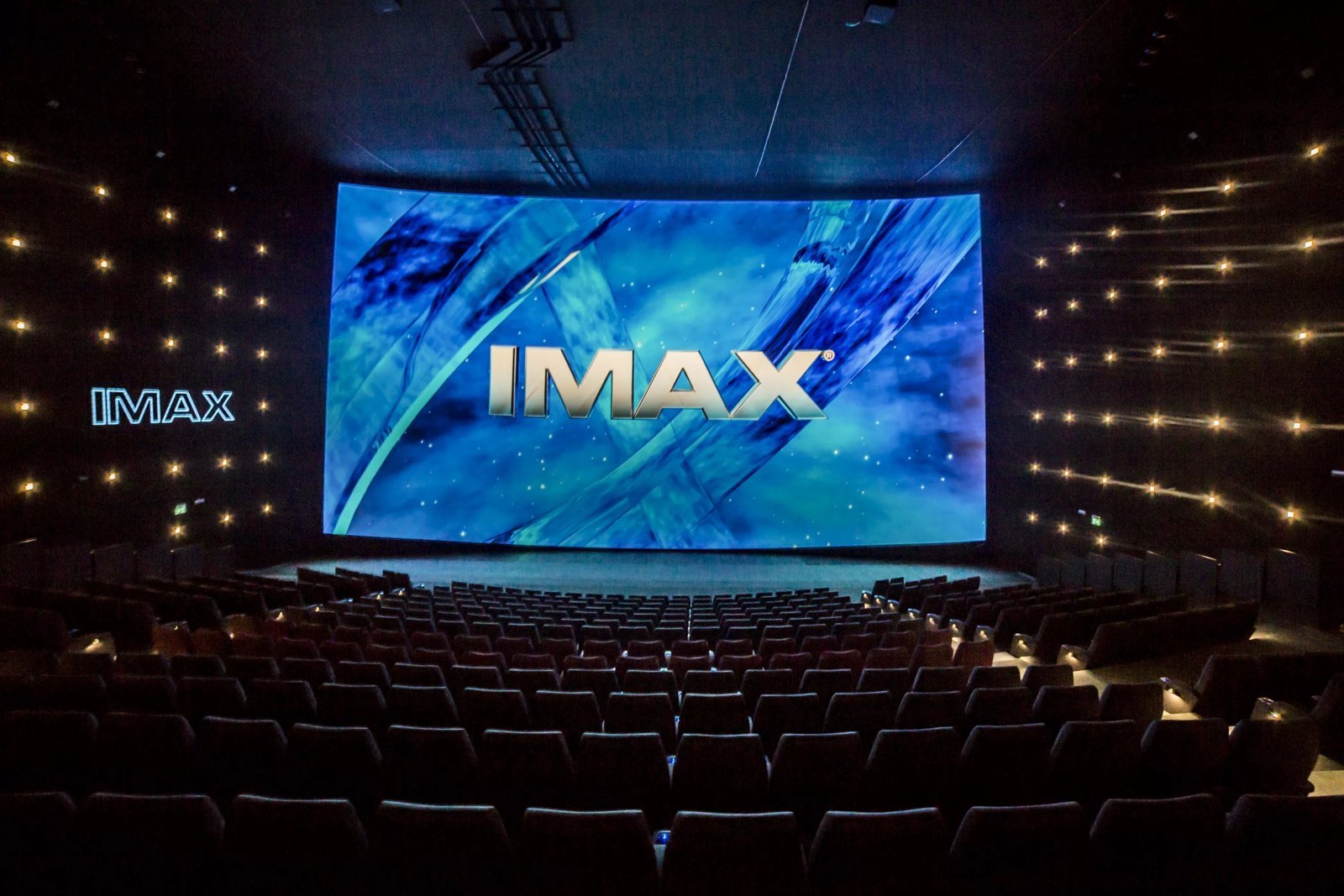
You’re buying movie tickets and see the option: IMAX or standard, with IMAX costing $5-8 more. Is it worth it? The difference between IMAX and regular theater screens is real — but it’s not what most people think, and it’s not always worth the upcharge. Here’s the honest breakdown.
What IMAX Actually Is
IMAX is a premium large-format film system — bigger screens, higher resolution, more powerful sound. But “IMAX” now covers several different things, which is where the confusion starts:
- IMAX 70mm (true IMAX): the original — 15/70 film projected on screens up to 100+ feet wide. The gold standard. Only a few dozen theaters worldwide still run it, mostly for Christopher Nolan-style event films.
- IMAX laser (dual laser GT): the modern digital flagship. Stunning brightness, contrast, and resolution on the biggest screens. This is the premium IMAX experience most people rave about.
- IMAX digital (“LieMAX”): standard digital IMAX in retrofitted multiplex auditoriums. Bigger than a regular screen but much smaller than true IMAX — sometimes only slightly larger than standard. This is the most common IMAX and the source of most disappointment.
When someone says “IMAX was amazing” or “IMAX was a ripoff,” they’re often describing completely different setups. The label covers a wide range.
IMAX vs. Regular: The Real Differences
Screen size
True IMAX screens are enormous — up to 8 stories tall — and curved to fill your peripheral vision. The effect is immersion: the image surrounds you rather than sitting in front of you. Digital IMAX screens are bigger than standard but the difference is modest. A regular multiplex screen, by comparison, is large but doesn’t engage your peripheral vision the same way.
Aspect ratio and expanded image
This is IMAX’s secret weapon: films shot with IMAX cameras (Dune, Oppenheimer, Interstellar) contain up to 40% more image — the picture literally expands vertically on IMAX screens, revealing more of the scene. On a regular screen you see the cropped version. For these films, IMAX shows you things other audiences don’t see.
Resolution and brightness
IMAX 70mm film has resolution no digital system matches. IMAX laser projection is brighter and sharper than standard digital cinema. In practice: finer detail, deeper blacks, more vivid images — most noticeable in dark scenes and sweeping landscapes.
Sound
IMAX theaters use a 12-channel (or 6-channel) sound system tuned to the room, with serious bass. It’s louder, more precise, and more physical than standard theater audio. You’ll feel it in your chest during action sequences.
When IMAX Is Worth It
- Films shot with IMAX cameras: Dune: Part Two, Oppenheimer, Interstellar, Dunkirk — these are designed for IMAX and the expanded aspect ratio is genuinely transformative.
- Visual spectacles: nature documentaries, space films, anything with sweeping cinematography. The immersion pays off.
- True IMAX 70mm or laser venues: the premium setups justify the premium price.
When to Save Your Money
- Dialogue-driven films: dramas, comedies, romances gain almost nothing from IMAX. A bigger screen doesn’t improve a conversation scene.
- Standard digital IMAX for non-IMAX films: if the film wasn’t shot for IMAX and you’re in a retrofitted auditorium, you’re paying extra for a slightly bigger screen. Skip it.
- 3D IMAX: unless you love 3D, the 2D IMAX version is usually better — brighter image, no glasses, no headache.
- Bad seats: IMAX punishes bad seating more than regular theaters. Too close and you’re craning your neck; the sweet spot is center, 2/3 back.
For the full experience at home instead, a mini home theater setup gets you surprisingly close for films where IMAX doesn’t matter.
IMAX vs. Competitors: Dolby Cinema, Prime, ScreenX
IMAX isn’t the only premium format. Dolby Cinema often beats IMAX on pure image quality (better contrast, Dolby Atmos sound) in a standard-size room — many cinephiles prefer it for non-IMAX-shot films. Prime/Cinemark XD are the chains’ own large-format brands: bigger screens, better sound, usually cheaper than IMAX. Honestly? For most films, Dolby Cinema is the best premium choice; IMAX wins specifically for IMAX-shot spectacles. Don’t assume IMAX is automatically the top tier.
IMAX FAQ
How much more does IMAX cost? Typically $5-8 more than standard, varying by market and whether it’s 2D or 3D. Matinees narrow the gap.
Is IMAX 3D better than regular 3D? The bigger screen helps, but 3D dims the image in any format. Most viewers prefer 2D IMAX over 3D IMAX.
What’s the best seat in an IMAX theater? Center horizontally, about 2/3 of the way back. Too close causes neck strain; too far loses the immersion.
Can I tell which IMAX type my theater has? Check your theater’s website or search “[theater name] IMAX laser vs digital.” Enthusiast sites track which locations have true 15/70 or dual-laser setups.
The Takeaway
The difference between IMAX and regular theater screens: much bigger image, expanded aspect ratio for IMAX-shot films, superior sound — but only at true IMAX venues and only for visually spectacular films. For IMAX-shot epics at a real IMAX theater, pay the upcharge happily. For everything else, save your money (or try Dolby Cinema). The label alone doesn’t guarantee the experience.
IMAX at Home? The Honest Answer
Can you recreate IMAX at home? Not really — the scale and the expanded aspect ratio are theatrical-only. But you can get closer than you’d think: a large TV or projector (100″+), a dark room, and decent sound deliver maybe 70% of the immersion for films where IMAX doesn’t add unique image area. What’s genuinely exclusive to IMAX theaters: the expanded aspect ratio on IMAX-shot films (that extra image doesn’t exist on home releases, which are cropped) and the sheer physical scale. For everything else, a good home theater setup is the smarter investment — unlimited movies, your own snacks, pause button included.
The “LieMAX” Controversy, Briefly
Film fans coined “LieMAX” for retrofitted digital IMAX auditoriums that are barely bigger than standard screens. It’s a fair criticism — some IMAX-branded screens are only marginally larger than the regular auditorium next door. Before paying the upcharge, it’s worth checking whether your local IMAX is a true large-format venue or a retrofit. Enthusiast communities online maintain lists. If yours is a retrofit and the film wasn’t shot for IMAX, the regular screening (or Dolby Cinema) is the smarter buy.
IMAX: From Expo ’70 to Today
IMAX premiered at Expo ’70 in Osaka, Japan, and spent decades as a specialty format for documentaries and museums before Hollywood embraced it. Knowing the history explains the format’s quirks — it was designed for immersion, not conventional storytelling. When a filmmaker uses it well, the results are unmatched.