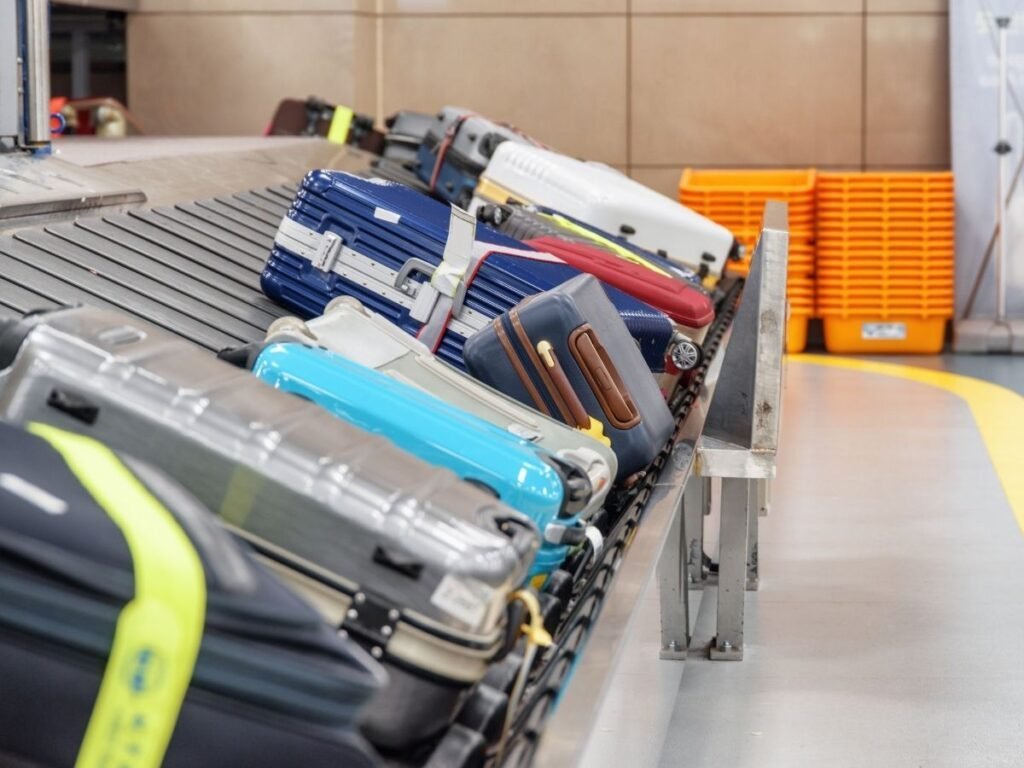
You’re at baggage claim. The carousel stops. Everyone else has their bag. Yours… doesn’t. That sinking feeling is universal — and the next 30 minutes determine whether this becomes a minor inconvenience or a trip-ruining saga. So what should you do if your luggage gets lost by the airline? Act fast, document everything, know your rights, and have a backup plan. Most “lost” luggage isn’t lost — it’s delayed, and 90%+ is reunited within 48 hours. Here’s how to make sure yours is.
I’ve had bags delayed three times. Twice they arrived the next day; once took four days (hello, Rome in the same outfit). Every time, the travelers who acted fast and knew the rules did dramatically better than those who just… waited.
Immediate Actions (At the Airport, Right Now)
- Don’t leave the airport without filing a report. Go to the airline’s baggage desk BEFORE leaving — ideally before leaving the secure area. This is the step people skip (“maybe it’ll show up”) and regret. No report = no tracking = no compensation.
- Get the Property Irregularity Report (PIR) / claim number. For international flights, this is the formal PIR; domestic, a baggage claim file number. Photograph it. This number is your key to everything that follows.
- Give them somewhere to deliver. Hotel name, address, phone number — be specific. Airlines will deliver delayed bags to you (usually free); make it easy.
- Describe the bag precisely. Color, brand, size, distinguishing marks, contents overview. “Black suitcase” describes 400 bags on that carousel. “Navy Samsonite, 26-inch, with a yellow ribbon on the handle and a dent on the corner” is findable. This is why photographing your bag before checking it is pro-tier advice.
- Ask about the essentials allowance. Most airlines offer (or reimburse) immediate essentials — toiletries, basic clothing. Ask explicitly: “What am I entitled to for essentials?” Get it in writing/email.
- Get a direct contact: The baggage office’s phone/email, not just the general customer service line. And the tracking website for your claim number.
What Should I Do if My Luggage Gets Lost by the Airline? The Follow-Up
Track relentlessly
Use the airline’s online baggage tracker with your claim number — check twice daily. If there’s no movement in 24 hours, call. Be politely persistent; baggage offices prioritize the squeaky wheels. Escalate to social media DMs if phone lines fail — airlines’ social teams often have more power than phone agents.
Buy what you need (and keep receipts)
Don’t suffer in silence wearing the same clothes for three days. Buy reasonable essentials — toiletries, underwear, a change of clothes — and keep every receipt. Airlines reimburse “reasonable interim expenses” for delayed bags (not for truly lost ones — different rules). “Reasonable” generally means necessities, not a shopping spree. Most US airlines reimburse $50–150/day for the first few days; international rules (Montreal Convention) are more generous.
Know your rights
- Domestic US: Airlines must reimburse for lost bags up to $4,700 (DOT limit, adjusted periodically). For delays, interim expense reimbursement is standard practice.
- International: The Montreal Convention governs — liability up to ~$1,700 USD (1,288 SDR, adjusted). File written claims within 21 days of receiving delayed baggage.
- EU flights: Additional protections under EU regulations for delays and cancellations affecting baggage.
- Credit card coverage: Many travel cards include baggage delay/loss benefits ($100–500+ for delays, more for loss) — file with them too; it’s separate from the airline claim.
- Travel insurance: If you have it (choosing travel insurance), baggage delay/loss is standard coverage — another claim avenue.
File claims in writing (email counts), keep copies of everything, and note the deadlines — they matter. The DOT’s air travel consumer protection page has the official rules.
When It’s Actually Lost (21+ Days)
After 21 days (international) or the airline’s declared window (domestic, usually 5–14 days), the bag is officially “lost” — which paradoxically is good news, because now you’re entitled to full reimbursement up to the liability limits. File the detailed inventory claim: list contents with approximate values and ages. Be thorough and honest — this is where the pre-trip photo of your packed bag (pro move) pays off enormously.
Prevention: Never Again
- Carry on when possible. The only guaranteed way to keep your bag. For trips where you must check, keep valuables, medications, documents, and one full change of clothes in your personal item — always.
- Remove old bag tags. Stray routing tags from previous trips are a top cause of misrouting. Strip them every trip.
- Tag inside and out: External tag + a card inside the bag with your contact info and itinerary. If the external tag tears off (common), the inside card saves the bag.
- Use a tracker: Apple AirTag or Tile in the bag. You’ll know where it is before the airline does — travelers routinely locate their own “lost” bags this way and direct the airline to them.
- Fly direct when possible. Most mishandling happens at connections, especially tight ones. The layover guide covers connection strategy.
- Check in early. Late-checked bags miss connections disproportionately.
The Carry-On-Only Challenge
The ultimate lost-luggage prevention: never check a bag. It’s doable for most trips — here’s how:
- A week in a carry-on + personal item: 5 tops, 3 bottoms, 7 underwear, wear the bulky stuff. One midweek sink-wash. This covers 90% of trips — the “need” for checked bags is mostly habit.
- Toiletries: The 3-1-1 bag handles a week easily with travel sizes. Buy sunscreen and bulky items at your destination if needed.
- Two weeks? Still carry-on possible with one laundry stop. Beyond two weeks, consider shipping a box ahead (often cheaper than checked bag fees round-trip) or doing laundry twice.
- Exceptions where checking makes sense: Ski gear, formal wear that can’t wrinkle, traveling with babies (the gear is real), or trips where you’ll acquire a lot. For these, the prevention checklist matters most: strip old tags, tag inside and out, AirTag inside, photograph everything.
- The mindset shift: Pack for the trip you’re taking, not the trip you fear. “What if I need…” is how 40-lb suitcases happen. Every “what if” item should survive the question: “what’s the actual cost of buying this at the destination if needed?” Usually $10–20 — cheaper than the checked bag fee.
Try it once: one trip, carry-on only. Most travelers who try it never go back — the freedom of walking past baggage claim while everyone else waits is addictive. And your luggage can’t get lost if it’s on your back.
The Takeaway
If your luggage gets lost: file the report before leaving the airport, get the claim number, provide delivery details, buy reasonable essentials (keep receipts), track relentlessly, and know your reimbursement rights (up to $4,700 domestic, Montreal Convention internationally). Most bags return within 48 hours — the system works if you work it. And for next time: carry on when you can, tag inside and out, strip old tags, and drop an AirTag in the bag. The best lost-luggage strategy is the one that prevents it.