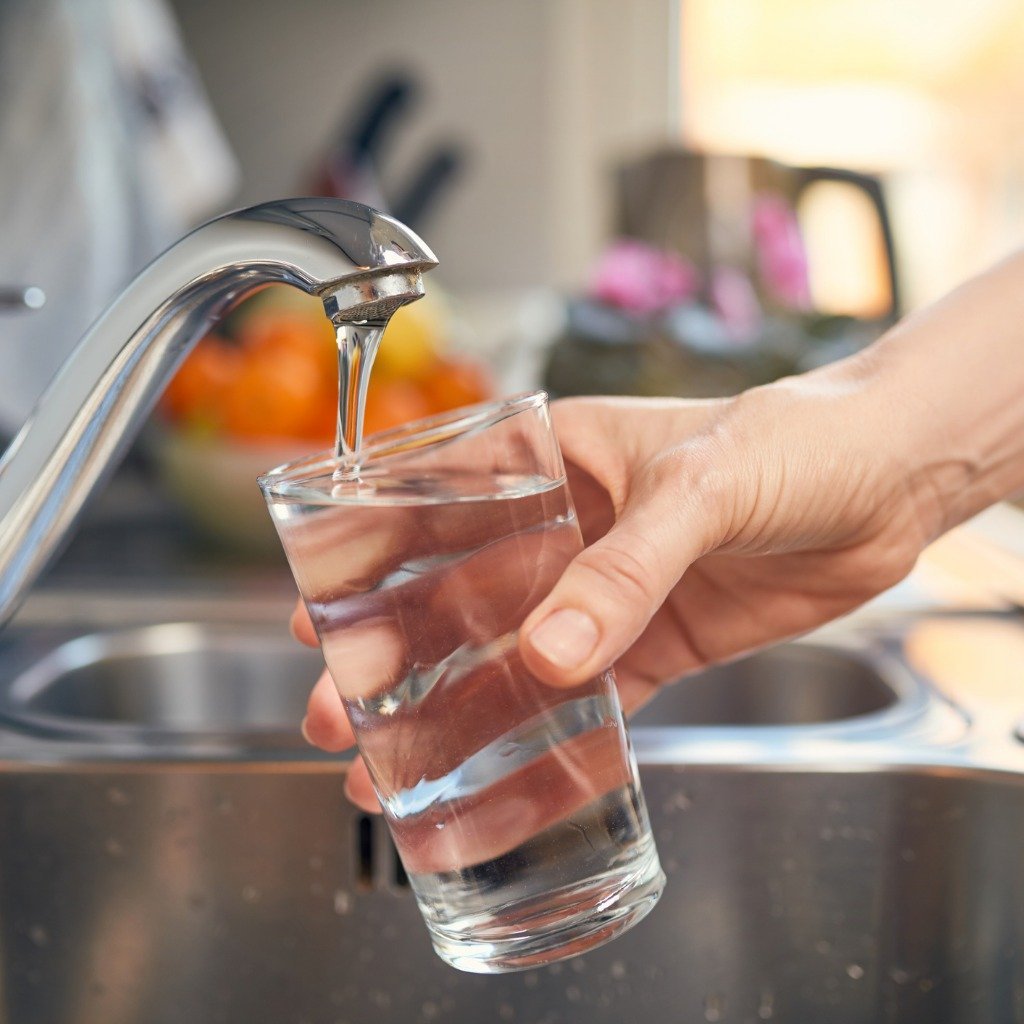
Turn on the tap in most American cities and the water is safe — the U.S. has some of the strictest drinking water standards in the world. But ‘most’ isn’t ‘all,’ and high-profile crises like Flint showed that problems can hide for years. So how do you actually know your water is fine? So let’s take how can I tell if my tap water is safe to drink seriously and answer it properly.
Good news: checking is easier than you think, and much of the information is already public. Here’s how to verify your water quality, spot warning signs, and decide whether you need a filter.
Read Your Water Quality Report (It’s Free and Public)
Every community water system in the U.S. must publish an annual Consumer Confidence Report (CCR) detailing exactly what’s in your water and whether it met EPA standards. Most utilities mail it or post it online — search ‘[your city] water quality report’ and you’ll usually find the PDF in seconds. It’s genuinely informative: it lists detected contaminants, their levels, and the legal limits. EPA drinking water standards and safety information
What to look for: any violations noted in the report, lead and copper levels (lead is the big one — there’s no safe level), and disinfection byproducts. Don’t panic at long contaminant lists — detection doesn’t mean danger; modern testing finds traces of almost everything. Compare detected levels to the EPA’s maximum limits shown in the same report. If everything’s well under limits with no violations, your water is almost certainly fine.
- Find your CCR: search ‘[your city] water quality report’ — it’s public by law.
- Check for violations: any noted violations deserve attention and follow-up.
- Look at lead levels: there’s no safe lead level; old pipes and fixtures are the usual source.
- Don’t panic at detections: trace detection is normal; compare against EPA limits.
- Well water isn’t covered: private wells get no CCR — owners must test themselves.
Warning Signs You Can See, Smell, and Taste
Your senses are a legitimate first screen. Brown, yellow, or cloudy water; a rotten-egg (sulfur) smell; a strong chlorine or chemical odor; or a metallic taste — all warrant investigation. Sudden changes are more concerning than constant quirks: water that’s always slightly chlorinated-smelling is normal, but water that suddenly turns brown after years of clarity needs a call to your utility.
That said, the most dangerous contaminants are undetectable by senses. Lead, arsenic, nitrates, and many pesticides are colorless, odorless, and tasteless. This is why the report matters more than your palate — and why private well owners, who get no report, should test annually. Never assume clear water is clean water. CDC drinking water safety resources
- Discoloration or cloudiness: brown/yellow water or sudden cloudiness — call your utility.
- Rotten-egg smell: usually sulfur bacteria — annoying, rarely dangerous, but get it checked.
- Strong chemical odors: unusual chlorine or solvent smells warrant investigation.
- Metallic taste: can indicate pipe corrosion — worth testing, especially in older homes.
- Sudden changes matter most: new problems in previously fine water need prompt attention.
When to Test and Whether You Need a Filter
Get your water tested if: you’re on a private well (test yearly for bacteria, nitrates, and local concerns), your home has old lead pipes or lead solder (common pre-1986), you’re pregnant or have infants (extra vulnerable to lead and nitrates), or your senses or report raise flags. State health departments often list certified labs, and many offer low-cost test kits.
As for filters: they’re useful for specific problems, not magic. Activated carbon pitchers (like Brita) improve taste and reduce chlorine and some contaminants. Reverse osmosis systems remove the most, including lead and fluoride, but waste water and strip beneficial minerals. Match the filter to your actual problem — identified by testing or your CCR — rather than buying the most expensive system out of fear. For most city water that’s meeting standards, a simple carbon filter for taste is plenty.
- Test if on a well: annual testing for bacteria and nitrates is essential — no utility does it for you.
- Old homes: test for lead: pre-1986 plumbing may contain lead; test before assuming safety.
- Match filter to problem: carbon for taste/chlorine; reverse osmosis for lead and heavy removal.
- Flush morning water: run the tap 30 seconds after long sits to clear water that’s sat in pipes.
- Cold water for cooking: hot water dissolves more pipe metals — always cook with cold tap water.
Common Mistakes to Avoid
Before you put any of this into practice, save yourself the learning curve: here are the classic errors that derail progress. I’ve made several of these myself, so consider this the shortcut I wish I’d had.
- Assuming clear water is clean water: lead, arsenic, and nitrates are invisible, odorless, and tasteless. Senses can’t detect the worst contaminants.
- Never reading your water report: your utility publishes a free annual quality report by law. Most people have never opened it.
- Buying the most expensive filter out of fear: match the filter to a real identified problem (from testing or your report), not to anxiety.
- Cooking with hot tap water: hot water dissolves more metals from pipes. Always start with cold water for cooking and drinking.
- Ignoring sudden changes: water that’s always been fine and suddenly isn’t needs a prompt call to your utility — don’t wait it out.
Frequently Asked Questions
Is bottled water safer than tap water?
Usually not — in the U.S., municipal tap water is more strictly regulated and tested than bottled water. Bottled is useful for emergencies or specific contamination events, not as a daily upgrade over good tap water.
How do I get my water tested?
Contact your state health department for a list of certified labs — many offer low-cost test kits. Test for what matters locally: bacteria and nitrates for wells; lead for older homes. One test every few years suffices for stable city water.
Do refrigerator filters actually work?
For taste, chlorine, and some contaminants — yes, reasonably. They’re activated carbon filters, similar to pitcher filters. They don’t remove everything (not fluoride or most heavy metals significantly), but they’re a fine everyday option.
What should I do during a boil-water advisory?
Bring water to a rolling boil for 1 minute (3 minutes above 6,500 feet elevation), then cool. Use boiled or bottled water for drinking, cooking, brushing teeth, and ice. Follow your utility’s all-clear before resuming normal use.
Pro tip: Tell one person what you’re working on. Social accountability — even casual — measurably increases follow-through. You don’t need an accountability partner; you need a witness.
How can I tell if my tap water is safe to drink: The Bottom Line
Most U.S. tap water is safe — verify yours by reading your utility’s free annual Consumer Confidence Report, watching for sensory warning signs (especially sudden changes), and testing if you’re on a well or in an old home. Remember the invisible contaminants: lead and nitrates can’t be tasted. If you filter, match the filter to a real identified issue. And two free habits help everyone: flush the tap briefly after long sits, and cook with cold water, not hot.