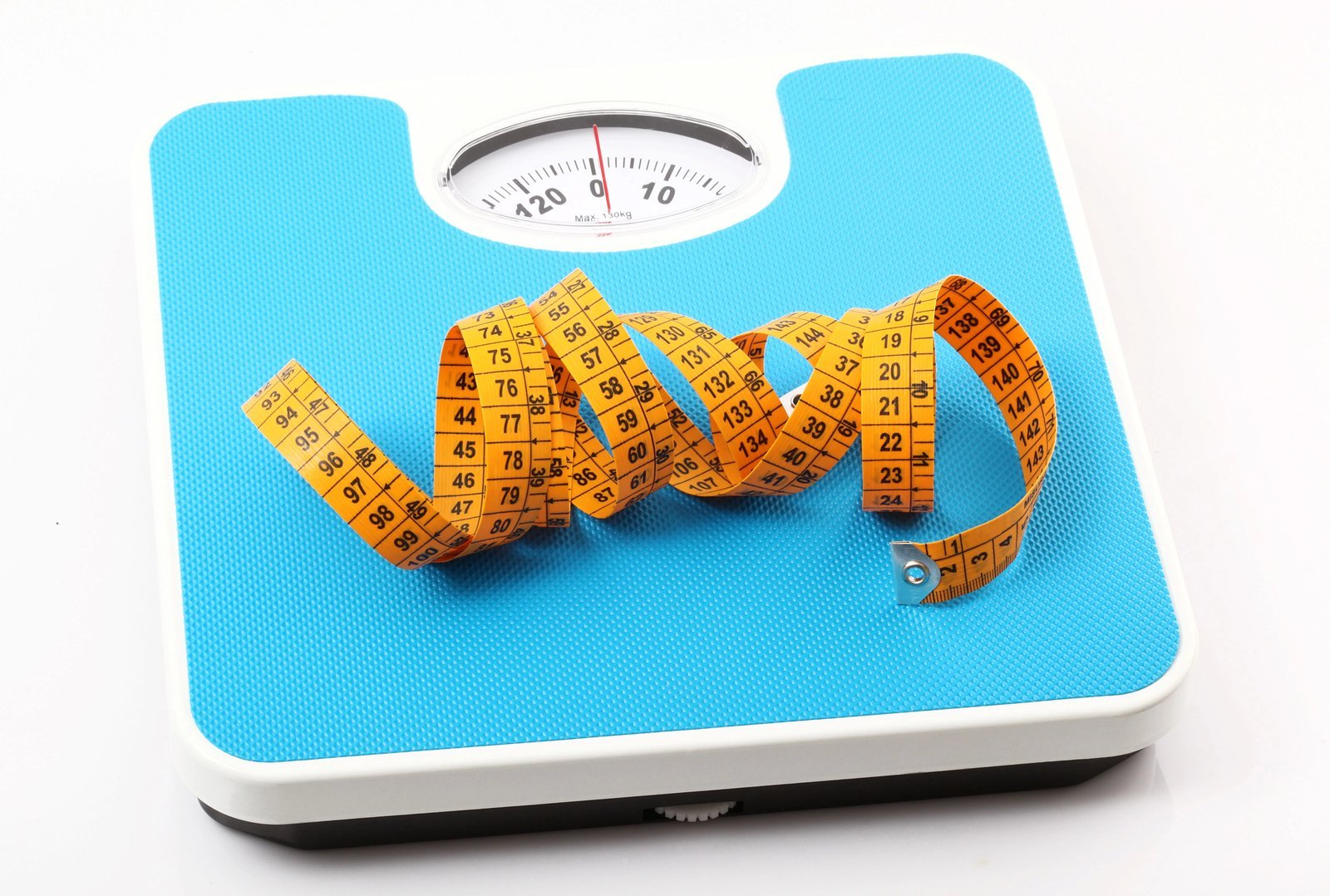
Between the influencer who ‘lost 30 pounds in 30 days’ and your doctor’s cautious advice, it’s hard to know what’s realistic. Set the bar too high and you’ll crash; too low and you’ll lose motivation. So let’s talk real numbers — the kind backed by research and clinical experience, not marketing. That’s why so many people ask what is a realistic healthy weight loss goal per month — and why you deserve a real answer, not clichés.
The widely cited healthy rate is 1-2 pounds per week, which means 4-8 pounds per month. But that range hides important nuance: where you start, how you lose it, and what ‘success’ actually looks like all matter enormously.
The Numbers: What’s Realistic for You
The 1-2 pounds per week guideline exists for good reasons: it’s achievable through moderate calorie reduction (500-1000 calories/day deficit), it preserves muscle mass, and — critically — it’s maintainable. Faster loss usually means muscle loss, metabolic slowdown, gallstones, and hair loss. The people who lose 20 pounds in a month almost always regain it; the statistics on rapid-loss regain are brutal. CDC guidance on healthy weight loss
Your starting point changes the math. Someone at 300 pounds can safely lose faster initially (more of the early loss is water and the deficit is easier to sustain) than someone at 160 pounds chasing the last 10. Taller, heavier, younger, and male bodies generally lose faster. A realistic goal is personal: aim for 0.5-1% of body weight per week. For a 200-pound person, that’s 1-2 pounds weekly — right in the standard range.
- 4-8 pounds per month: the evidence-backed healthy range for most people.
- 0.5-1% of body weight weekly: personalizes the target to your size.
- Heavier starters lose faster initially: early rapid loss is mostly water — it slows, and that’s normal.
- The last 10 pounds are slowest: smaller bodies have smaller deficits available. Adjust expectations.
- Plateaus are normal: 2-3 week stalls happen to everyone; they’re not failure.
Why Slower Loss Actually Wins
Here’s the counterintuitive truth the diet industry hides: slower losers keep it off better. The National Weight Control Registry — which tracks thousands of successful long-term losers — finds that steady, moderate approaches dominate among people who maintain loss for years. Fast loss teaches you nothing about living at a lower weight; it just teaches you how to suffer temporarily.
Slow loss also protects the things that keep weight off: muscle mass (which preserves metabolism), a healthy relationship with food (no binge-restrict cycles), and habits you can actually sustain. Losing 5 pounds a month for 6 months beats losing 15 in one month and regaining 20. The tortoise doesn’t just win the race — the hare usually ends up heavier than when it started. National Institutes of Health weight management resources
- Muscle preservation: slow loss with protein + strength training keeps metabolism intact.
- Habit formation: moderate changes become permanent; extreme ones get abandoned.
- No binge-restrict cycle: reasonable deficits don’t trigger the deprivation binges that erase progress.
- Better health markers: gradual loss improves blood pressure, blood sugar, and cholesterol sustainably.
- Psychological sustainability: you need a plan you can live with, not survive.
Setting Your Goal and Tracking It Right
Set a process goal, not just an outcome goal. ‘Lose 6 pounds this month’ is an outcome you can’t fully control; ‘walk 8,000 steps daily and eat protein at every meal’ is a process you can. Hit the process consistently and the outcome follows. This mindset shift is the difference between people who succeed long-term and people who yo-yo.
Track smart: weigh yourself 2-3 times per week (not daily — water fluctuations will drive you mad), take monthly measurements and photos, and judge trends over 2-4 weeks, not days. And define success broadly: energy, sleep, strength, how clothes fit. The scale is one data point, and it’s the noisiest one you’ve got.
- Set process goals: daily behaviors you control beat outcome goals you can’t fully control.
- Weigh 2-3x weekly: daily weigh-ins amplify noise; trends over weeks tell the truth.
- Track beyond the scale: measurements, photos, energy, strength — the full picture.
- Plan for plateaus: expect 2-3 week stalls; hold the course instead of slashing calories.
- Reassess monthly: adjust the plan based on month-long trends, not bad weeks.
Common Mistakes to Avoid
Let me save you some trial and error. These five mistakes are the reason most people’s efforts in this area stall out — and each one is completely avoidable with a minute of awareness.
- Setting outcome-only goals: ‘lose 10 pounds’ isn’t controllable; ‘walk daily and eat protein at meals’ is. Process goals win.
- Daily weigh-ins driving decisions: water weight swings pounds daily. Judge trends over 2-4 weeks, not mornings.
- Slashing calories when plateaus hit: 2-3 week stalls are normal physiology. Hold the course; don’t starve the muscle you’re keeping.
- Comparing to others’ rates: taller, heavier, younger bodies lose faster. Your 4 lbs/month beats their 8 if yours stays off.
- Treating the diet as temporary: ‘going back to normal’ after restores the weight. The habits must be livable permanently.
Frequently Asked Questions
Why am I losing inches but not pounds?
Body recomposition — losing fat while gaining/keeping muscle. Muscle is denser than fat, so your shape changes while the scale stalls. This is success, not failure: track measurements and photos, not just weight.
Do weight loss plateaus mean I’m doing something wrong?
No — they’re normal metabolic adaptation. After 2-3 weeks stalled, small adjustments (slightly more activity, slightly tighter food tracking, a diet break) restart progress. Panic-slashing calories usually backfires.
Is 2 pounds a week too fast?
For most people it’s the upper end of healthy — fine with adequate protein and strength training to protect muscle. Faster than that risks muscle loss, gallstones, and rebound. Bigger bodies can safely lose faster initially.
How do I keep weight off after losing it?
The maintainers’ playbook from long-term studies: keep exercising (especially walking), monitor weight weekly, eat breakfast, and maintain the food habits that lost it. Maintenance is the same habits, permanently — not a finish line.
Pro tip: Revisit this guide in 30 days. You’ll catch details you missed the first time, and the second read tends to stick because you’ve got real experience to attach it to.
What is a realistic healthy weight loss goal per month: The Bottom Line
A realistic healthy weight loss goal is 4-8 pounds per month (1-2 pounds per week, or 0.5-1% of body weight weekly) — slower if you’re smaller, potentially faster at the start if you’re heavier. Slower loss wins long-term because it preserves muscle, builds sustainable habits, and avoids the regain cycle. Set process goals you control, track trends over weeks not days, and remember: the goal isn’t just losing weight, it’s staying at a weight you can live with happily.