
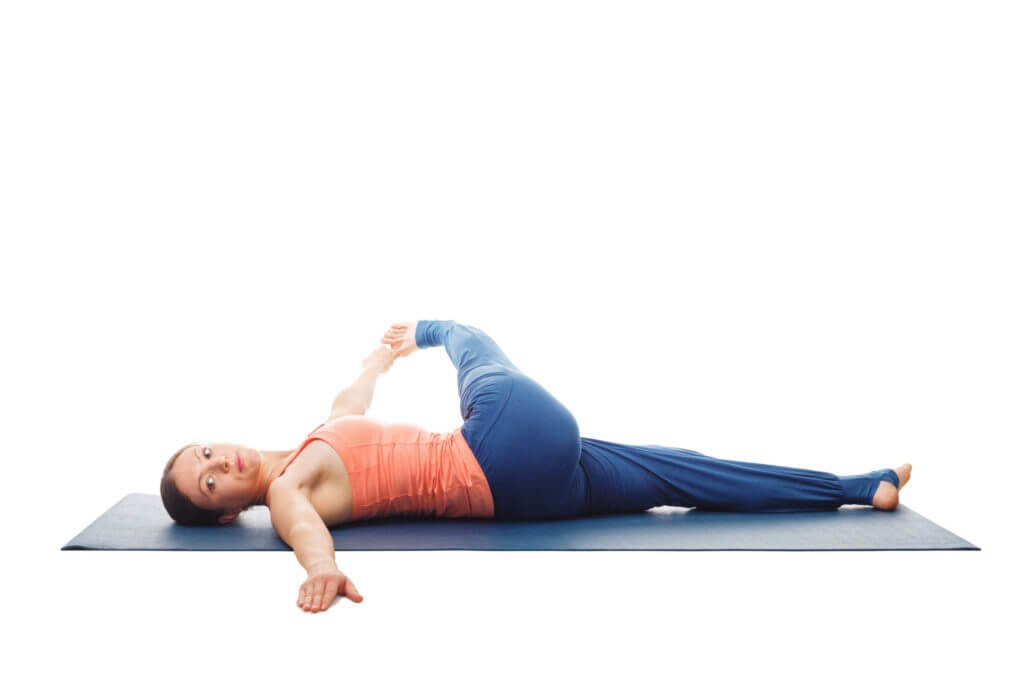
What are the best exercises for lower back pain relief? Lower back pain will affect up to 80% of adults at some point — it’s the leading cause of disability worldwide. And the old advice (“rest in bed”) turned out to be exactly wrong: for most mechanical back pain, gentle movement heals; prolonged rest harms. But which movements? Doing the wrong exercises can worsen things. Here’s what physical therapists actually recommend, organized from gentlest to strongest.
First: When NOT to Exercise (See a Doctor First)
Exercise is for mechanical back pain — the achy, stiff, movement-related kind. See a doctor before exercising if: pain follows significant trauma, you have numbness/weakness in legs or feet, loss of bladder/bowel control (emergency), fever with back pain, unexplained weight loss, history of cancer, or pain that doesn’t improve after a few weeks of self-care. These red flags need medical evaluation, not YouTube workouts. This article is for the common, non-emergency kind — which, fortunately, is the vast majority.
What Are the Best Exercises for Lower Back Pain Relief? Start Here (Gentle)
1. Walking. Seriously — the most underrated back therapy. Start with 10-15 minutes on flat ground; walking gently mobilizes the spine, increases blood flow to healing tissues, and rarely aggravates anything. Many PTs prescribe it before any floor exercises. (And walking’s broader benefits compound the value.)
2. Knee-to-chest stretch. Lie on your back, pull one knee gently to your chest, hold 20-30 seconds, switch. Relieves lumbar tension and feels immediately good for most people.
3. Cat-cow. On hands and knees, alternate arching and rounding your back slowly. Mobilizes the entire spine gently — the “oil change” for stiff backs.
4. Pelvic tilts. Lying down, gently flatten your lower back into the floor by tightening abs, hold 5 seconds, release. Activates deep core stabilizers without spinal loading — the foundation exercise PTs start everyone with.
5. Child’s pose. Kneel, sit back on heels, arms extended forward. A gentle sustained stretch for the whole posterior chain. Breathe into it for 30-60 seconds.
The Next Level: Building a Resilient Back (Strength)
Once acute pain eases, strength prevents recurrence — and this is where most people stop too early. The goal isn’t a six-pack; it’s spinal stability:
- Bird-dog: On hands and knees, extend opposite arm and leg, hold 5-10 seconds. The gold-standard core stability exercise — trains the exact muscles that protect your spine, with minimal spinal stress.
- Glute bridges: Lying down, lift hips by squeezing glutes. Weak glutes force the lower back to compensate — strengthening them unloads the spine directly.
- Dead bug: Lying down, alternate extending opposite arm/leg while keeping your back flat. Teaches core control during limb movement — exactly what daily life demands.
- Modified side plank: On knees (not feet) to start. Builds the lateral stabilizers that protect against twisting injuries.
- McKenzie press-ups: Lying face down, press your upper body up while keeping hips down. Particularly helpful for disc-related pain that worsens with sitting — but skip if it increases leg symptoms.
Dosage: start with 5-10 minutes daily, 1-2 sets of 8-12 reps. Consistency beats intensity — a little daily beats a heroic weekly session. Progress gradually over weeks, not days. For building a complete routine, AI can help structure a home workout plan around your back’s needs.
What to Avoid (and Common Mistakes)
Avoid: toe touches/standing forward bends (loads discs aggressively), sit-ups and crunches (spinal flexion under load — the bird-dog and dead bug are safer core work), heavy deadlifts and squats until cleared, and any movement producing sharp pain or radiating leg symptoms. Common mistakes: doing too much too soon (the #1 error), only stretching without strengthening (flexibility without stability is vulnerability), and stopping exercises the moment pain eases (maintenance prevents the next episode).
The Daily Habits That Matter as Much as Exercise
Move regularly: the spine loves motion and hates stillness — get up every 30-60 minutes if you sit all day. Check your workstation: screen at eye level, feet flat, lumbar support — sustained poor posture is a slow back injury. Sleep position: side-sleeping with a pillow between knees, or back-sleeping with a pillow under knees, unloads the lumbar spine overnight. Manage weight: every extra pound loads the spine; regular exercise addresses both fitness and weight together.
The Sitting Problem (Your Chair Is the Other Half)
Exercises help, but if you sit 10 hours daily in a spine-hostile position, you’re bailing water with a hole in the boat. The 30-minute rule: never sit longer than 30-60 minutes without standing, walking, or stretching for 2-3 minutes. Set a timer — you’ll be shocked how long you sit uninterrupted without one.
Chair setup that protects your back: feet flat on the floor (or a footrest), knees at ~90°, lumbar support filling your lower back’s natural curve (a rolled towel works), screen at eye level to prevent the forward-head slump that cascades down to the lumbar spine. Standing desks: helpful for variety, but standing all day creates its own problems — alternate sitting and standing, and get an anti-fatigue mat.
The car counts too: long commutes in unsupportive seats are a hidden back-pain driver. Adjust your seat (slight recline, lumbar support, close enough that you’re not reaching), and on long drives, stop every 90 minutes to walk and stretch. Your spine doesn’t care whether the sitting happens at a desk or behind a wheel.
The Practical Takeaway
The best exercises for lower back pain relief start gentle (walking, knee-to-chest, cat-cow, pelvic tilts) and progress to stability strength (bird-dog, glute bridges, dead bug) — with consistency mattering more than intensity. Avoid spinal flexion under load and anything causing sharp or radiating pain, keep moving throughout the day, and see a doctor for red-flag symptoms. Most back pain improves significantly within weeks of the right movement — your spine was designed to move, so let it, and keep it moving every single day — consistency is the real therapy here — the boring daily movement that actually keeps backs healthy year after year, flare-up free. The clinical overview of low back pain reinforces the key finding: staying active beats bed rest for most cases.






One Comment