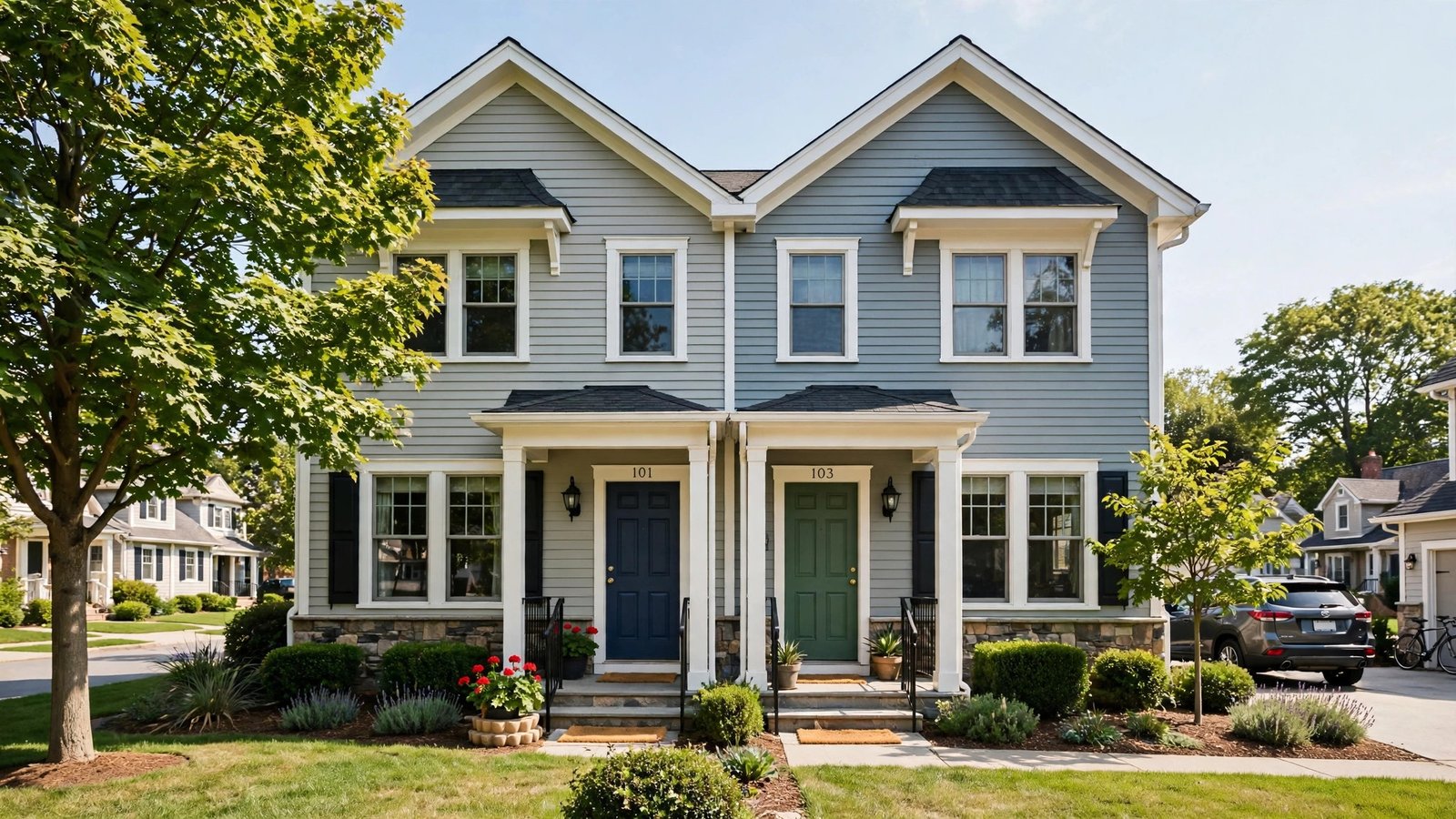
House hacking is the strategy of buying a property, living in part of it, and renting out the rest so tenants cover your housing costs. It is arguably the most powerful wealth-building move available to ordinary buyers: it converts your largest expense into an income-producing asset, often with the same low down payment as a regular home purchase. But it is also landlording from your living room, with realities the hype often skips. Here is the complete picture.
The Core Strategies Explained
House hacking takes several forms. The classic: buy a duplex, triplex, or fourplex with an FHA loan at 3.5% down, live in one unit, rent the others. Single-family variants include renting spare bedrooms to housemates, converting basements or garages into rental units, and building accessory dwelling units (ADUs) where zoning allows. Live-in flips combine hacking with renovation: buy a fixer, improve it while living there, then sell or refinance after a couple of years. Short-term rental hacking rents part of your home on vacation platforms, potentially lucrative but management-intensive and regulation-sensitive. Each variant shares the same economics: rental income offsets your housing cost, ideally to zero or below, while you build equity through paydown and appreciation. The strategy that fits depends on your market’s housing stock, local regulations, and your tolerance for sharing space. Making a shared space comfortable matters; making a rental feel like home applies to your own unit too.
The Math: Does It Actually Work?
Run the numbers ruthlessly before committing. Calculate total monthly costs: mortgage principal and interest, taxes, insurance, PMI, maintenance reserves, vacancy allowance, and property management (even if self-managing initially, price your time). Then estimate realistic rental income from the units you will not occupy, using comparable rents, not optimistic projections. The gold standard: rents cover all costs, and you live for free while building equity. The acceptable standard: your out-of-pocket housing cost drops dramatically versus renting or buying solo. Model conservatively with 8 to 10% vacancy and real maintenance figures; house hackers who assume perfect occupancy get painful educations. Also factor in the financing advantage: owner-occupied loans offer lower rates and down payments than investor loans, which is the structural edge that makes hacking work. If the math only works with heroic assumptions, keep looking; the right property makes the numbers obvious.
Financing Your House Hack
Financing is where house hacking shines. FHA loans allow 3.5% down on properties up to four units, provided you live in one unit for at least a year, putting multi-unit investing within reach of ordinary buyers. Conventional loans offer 5% down options on multi-units in many cases; review Freddie Mac's guidance for multi-unit buyers before choosing a loan type. VA loans work for eligible buyers with zero down. Lenders can count a portion of projected rental income toward your qualification, typically 75% of market rents minus expenses, which helps the math work. House hacking also pairs with down payment assistance programs in many states. The key requirement across all these: genuine owner-occupancy intent, usually documented by living there at least twelve months. Plan your exit from the start; after the occupancy period, you can repeat the strategy on a new property, converting the first into a full rental. Serial house hackers build portfolios one owner-occupied purchase at a time.
Living the Landlord Life: Realities and Boundaries
The lifestyle trade-offs are real and deserve honest consideration. You will live next to your tenants, which means tenant problems become your daily life: noise complaints, maintenance requests, awkward encounters. Set boundaries early with written leases, clear house rules, and professional distance; the friendliest landlord-tenant relationships still need structure. Screen tenants rigorously, credit, income, references, because a bad tenant next door is exponentially worse than a bad tenant across town. Learn landlord-tenant law in your state before you need it; security deposits, eviction procedures, and habitability standards have strict rules. Consider the social dynamics carefully if hacking with a partner or family; not everyone thrives sharing their home with strangers. Many successful house hackers emphasize that systems and boundaries, not personality, determine whether the experience is profitable or miserable. Guidance on handling disagreements with housemates translates directly to tenant relations.
Risks, Regulations, and How to Protect Yourself
House hacking carries specific risks to manage. Zoning and HOA rules may restrict multi-unit use, ADUs, or short-term rentals; verify before buying, not after. Some areas require rental licenses or inspections. Insurance needs differ for owner-occupied multi-units; get proper landlord coverage. Vacancy hits harder when the rental income covers your mortgage; maintain six months of total expenses in reserve minimum. Interest rate risk matters if you plan to refinance or move repeatedly. And keep immaculate financial separation between personal and rental finances; maximizing small living spaces helps your own unit feel comfortable while tenants occupy the rest. For tax purposes, house hackers can deduct a portion of expenses and depreciate the rental portion, valuable benefits that require proper record-keeping from day one. Consult a real estate-savvy CPA early.
Is House Hacking Right for You?
House hacking suits buyers who are handy or willing to learn, comfortable with boundaries, financially disciplined enough to save the housing costs they eliminate rather than spending them, and planning to stay at least a few years. It suits markets where multi-unit properties or rentable single-family layouts are available at workable prices. It does not suit everyone: if sharing your living space sounds miserable, no spreadsheet justifies it. Start by analyzing your local market’s actual numbers, talk to local house hackers about realities, and ensure your financing is solid. Done well, a first house hack can eliminate housing costs for years while building the equity and experience for everything that follows.
Scaling Beyond the First Hack
One successful house hack naturally leads to the next. After satisfying the owner-occupancy period, typically twelve months, you can repeat the strategy: buy another owner-occupied property with low-down-payment financing, move in, and convert the first into a full rental. Serial house hackers build portfolios of several properties within a few years, each acquired with the financing advantages of owner-occupancy. The keys to scaling: maintain strong reserves across the growing portfolio, systematize management before adding doors, and keep debt-to-income ratios healthy for successive qualifications. Eventually, investors transition to conventional investor financing for additional properties once the portfolio’s income supports it. Each hack also builds landlording experience, contractor relationships, and market knowledge that compound. What starts as a housing strategy becomes, almost incidentally, a real estate business.
Conclusion
House hacking converts housing from expense to asset: buy a property with low-down-payment owner-occupied financing, rent out part of it, and let tenants cover your costs while you build equity. The math must work conservatively, the financing advantages are real, and the landlord lifestyle demands boundaries and reserves. For buyers willing to trade some privacy for financial acceleration, few strategies match its power. Run honest numbers, verify local rules, screen tenants carefully, and your home becomes your first investment property.
Frequently Asked Questions
Can you house hack with an FHA loan?
Yes. FHA allows 3.5% down on one-to-four-unit properties when you live in one unit for at least a year. This is the most common financing path for first-time house hackers.
How much can you save by house hacking?
In strong scenarios, rental income covers the entire mortgage and housing costs, meaning you live for free while building equity. More typical outcomes cut housing costs by 50 to 80%.
Is house hacking legal everywhere?
No. Zoning, HOA rules, and local rental regulations vary widely. Verify that your intended strategy, especially ADUs or short-term rentals, is permitted before purchasing.
What are the biggest house hacking risks?
Bad tenants living next door, vacancy destroying cash flow, underestimated maintenance, regulatory changes, and the lifestyle strain of landlord-tenant proximity. Reserves and screening mitigate most of these.