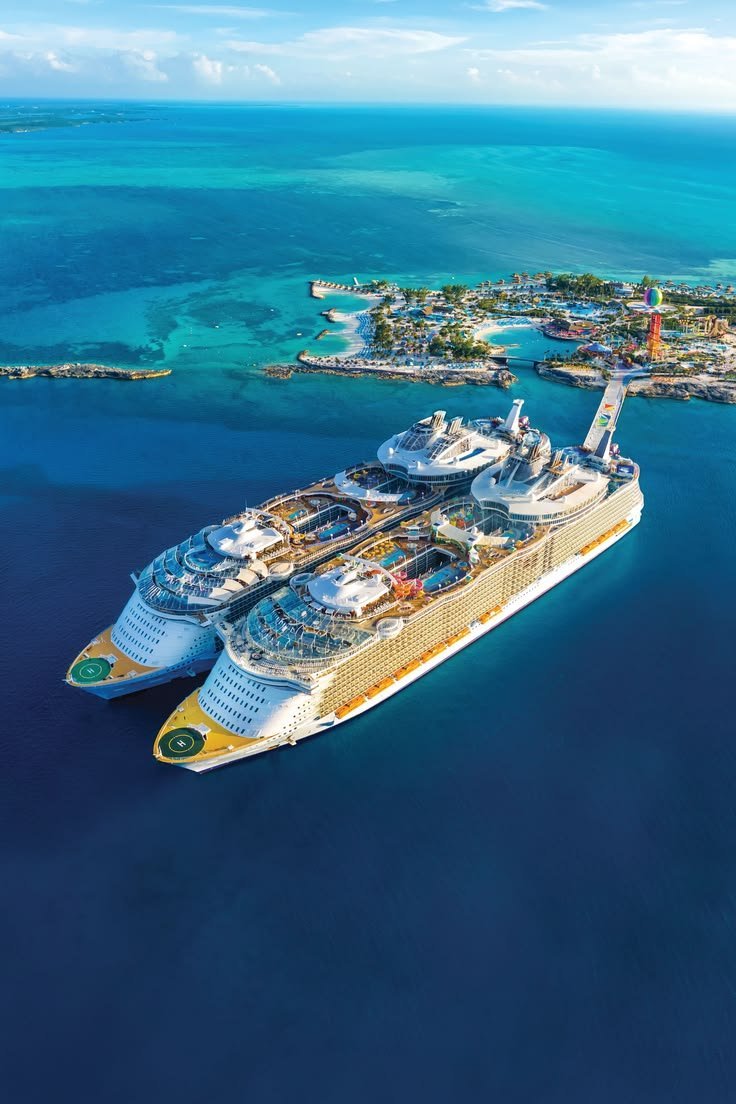
It’s the classic vacation dilemma: the cruise brochure shows turquoise water and endless buffets, while the resort website promises swim-up bars and zero schedules. Both claim to be the ultimate relaxing getaway, and both cost real money. So how do you choose between a cruise and an all-inclusive resort? Having done both multiple times — sometimes loving them, once deeply regretting my choice — I’ve learned they’re fundamentally different vacations wearing similar “everything included” marketing. Here’s how to pick the right one for you.
The Core Difference: A Moving Hotel vs. One Great Place
A cruise is a sampler vacation. You unpack once and wake up somewhere new almost every day — three to five destinations in a week, plus sea days. An all-inclusive resort is a deep-dive vacation. You pick one beautiful place and settle in: same beach, same staff who learn your name, no schedule unless you want one.
Neither is better. They’re just different answers to different needs:
- Choose the cruise if you get restless, love variety, want to see multiple places without packing, or you’re traveling with people who want different things (one wants excursions, one wants the pool — a ship has both).
- Choose the resort if you’re genuinely exhausted and want to turn your brain off, hate schedules and lines, want better food and drinks, or you’re celebrating something and want it to feel special and unhurried.
Cost Comparison: What’s Actually Included
Both market themselves as “all-inclusive,” but the asterisks differ. A 7-night Caribbean cruise for two typically runs $2,000–$4,000 for an interior-to-balcony cabin, while a comparable week at a mid-range all-inclusive resort runs $3,000–$6,000 for two. But sticker price lies.
On a cruise, expect to pay extra for: alcoholic drinks (unless you buy a package, $60–$100/day per person), specialty restaurants, shore excursions ($50–$200+ each), Wi-Fi ($20–$30/day), gratuities (~$16–$20/person/day, often auto-added), and spa services.
At an all-inclusive resort, typically included: all meals including room service at many properties, alcoholic drinks, non-motorized water sports, entertainment, and tips. Extras are usually limited to spa treatments, off-site excursions, and premium wine.
Honest math: a “cheap” $1,500 cruise can easily become a $3,500 cruise once you add drinks, excursions, and Wi-Fi. A $4,000 resort week is usually… $4,000. When comparing, price the cruise with the drink package and two excursions, or you’re comparing fiction to reality. Cruise Critic’s cost guides are useful for realistic cruise budgeting.
Food and Drink Quality
This is where resorts usually win, and it’s not close. A good all-inclusive has multiple à la carte restaurants with genuinely good food — I’ve had resort meals I’d happily pay $60 for at home. Cruise main dining rooms are… fine. The buffet is a buffet. Cruise specialty restaurants (extra charge) can be excellent, but now you’re paying restaurant prices on top of the cruise fare.
Drinks follow the same pattern. At a resort, the bartender who knows you like your margarita with salt is part of the experience, and it’s all included. On a cruise without a drink package, every cocktail is $12–$15 plus gratuity, which makes you do mental math with every order — the opposite of relaxing.
If food is a top priority for your vacation, the resort wins. If you just need to be fed adequately between activities, the cruise is fine.
Freedom and Flexibility
Cruises run on schedules: dinner seatings (on some lines), show times, excursion departures, and the ship leaves port with or without you. Some people love the structure; others feel herded. Modern mega-ships have loosened up with flexible dining, but you’re still on the ship’s timetable.
Resorts are the opposite — total freedom. Sleep until noon, eat when hungry, beach when you feel like it. There’s entertainment if you want it and blissful nothing if you don’t. For a genuinely restorative vacation, especially if you’re burned out, this matters more than people expect.
One underrated cruise advantage though: kids’ clubs. Cruise kids’ programs are superb and free, which is why cruises dominate for multigenerational family vacations — grandparents, parents, and kids each get their own version of fun, then meet for dinner.
The Seasickness and Logistics Factor
Be honest about motion sensitivity. Modern ships are stable, but if you’re prone to seasickness, a week at sea is a gamble — and the inside cabin that fit your budget makes it worse (no horizon to look at). Resorts have no such risk.
Logistics also differ: cruises require you to get to the port city (often involving a pre-cruise hotel night — never fly in the morning of departure), while resorts usually mean one flight and a shuttle. On the flip side, cruises handle all inter-destination transport for you. For more on keeping trips affordable, see our guide to booking holiday flights.
What First-Time Cruisers Get Wrong
Having watched plenty of first-timers learn the hard way, here are the mistakes to avoid. First: booking an inside cabin to save money, then discovering you can’t tell day from night and feeling oddly jet-lagged all week. If you’re sensitive to that, an ocean-view or balcony cabin is worth the upgrade — watch for price drops after booking, since cruise lines often let you reprice before final payment.
Second: over-scheduling excursions. You don’t need a $150 tour in every port. In many ports, the best experience is walking off the ship and exploring on your own — often the best beaches, markets, and restaurants are a 10-minute walk from the pier, not a 45-minute bus ride. Pick one or two signature excursions for the ports that truly need them, and freelance the rest.
Third: ignoring the daily planner. Every evening you get a schedule of next day’s activities — trivia, tastings, shows, classes. First-timers who never read it miss half the included entertainment, then complain there was “nothing to do.” The cruise you’ve already paid for includes far more than the pool deck; the planner is the key to unlocking it.
The Bottom Line
Choose the cruise if you want variety, built-in entertainment, and a great setup for mixed-age groups. Choose the all-inclusive resort if you want better food, real relaxation, and honest pricing with no mental math. My personal rule: if I’m tired, I pick the resort; if I’m curious, I pick the cruise. Either way, price out the true all-in cost before you book — that’s where most people go wrong. And if the “family of four” math is what brought you here, our breakdown of Disney World costs for a family of four is another useful data point for big-trip budgeting.