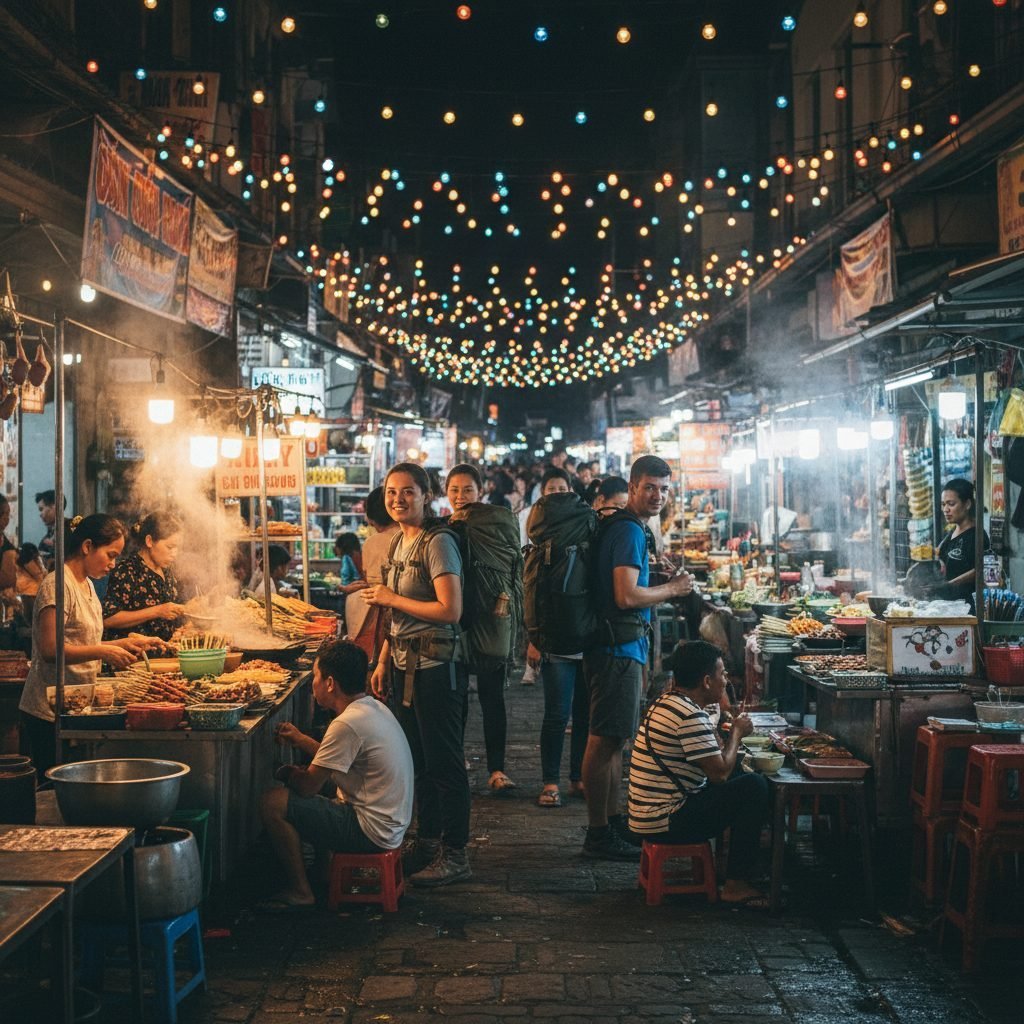
Here’s an uncomfortable truth about travel budgets: most people meticulously track flights and hotels, then let food quietly devour 30–40% of everything they spend. A $15 lunch here, a $9 coffee there, a “we’re on vacation” dinner — and suddenly you’ve spent more on eating than on the hotel. The good news? Food is also the easiest travel expense to cut without feeling deprived. These are the best ways to save money on travel food that I’ve actually used, from week-long road trips to two weeks in expensive cities.
Stay Somewhere With a Kitchen (Even a Tiny One)
This is the single biggest money-saver on the list. A hotel room with a mini-fridge and microwave — or better, an apartment-style rental with a real kitchen — changes the entire math of a trip. Breakfast in the room costs $2–$3 per person instead of $15–$25 at a café. That’s $50+ saved per day for a couple, which is $350 over a week.
You don’t need to cook full meals. The winning formula is simple:
- Breakfast at “home” every day — yogurt, fruit, bread, coffee.
- Pack lunches for sightseeing days — sandwiches, snacks, water.
- Eat dinner out — this is the meal worth spending on, and now you can afford a good one.
Even a basic grocery run on arrival day pays for itself by day two. Hit a local supermarket instead of the tourist-area mini-mart; prices are often half, and browsing a foreign grocery store is genuinely one of my favorite travel experiences.
Eat Where the Locals Eat, Not Where the View Is
The restaurant with the stunning terrace overlooking the main square is charging you for the terrace, not the food. Walk three streets in any direction and prices typically drop 30–50% while quality goes up. My rules for finding the good stuff:
- Follow the lunch crowds. A packed local spot at noon is never wrong.
- Look for the menu in the local language first. Places with photos of food aimed at tourists are a red flag.
- Ask hotel staff where they eat — not the concierge, the housekeeping staff or front-desk clerks.
- Markets and food halls beat restaurants for both price and variety. You can graze across five stalls for the price of one mediocre entrée.
Street food deserves special mention: in many countries it’s the best food available at any price. Just follow basic CDC food and water safety guidance for travelers — eat where turnover is high and food is cooked fresh in front of you.
Master the Grocery Store Strategy
Beyond breakfast supplies, grocery stores solve the two most expensive travel-food problems: snacks and drinks. Bottled water, coffee, and between-meal snacks bought at tourist prices add up to $20–$30 a day per person easily. A $15 grocery run covers a couple for days.
A few specific moves:
- Buy the big water bottles and refill a reusable one. Single-serve bottles at attractions are pure profit margin.
- Build a snack kit for day trips — nuts, fruit, crackers, chocolate. Hunger makes you buy the $8 museum pretzel.
- Try the store’s prepared foods. European supermarkets especially have excellent rotisserie chickens, salads, and sandwiches at a third of restaurant prices.
- Wine and beer from shops, not bars. A bottle that costs $8 at a store costs $40+ across four glasses at a restaurant.
Time Your Meals Like a Local
When you eat matters as much as where. Lunch menus (prix fixe, “menu del día,” business lunch) routinely offer the same food as dinner for 40–60% less. In Spain, the midday menú del día is one of travel’s great bargains — three courses with wine for €15–€20. Make lunch your big restaurant meal and keep dinner light and cheap.
Other timing tricks:
- Happy hours aren’t just for drinks — many bars do discounted appetizers that make a fine light dinner.
- Bakeries discount near closing time. Some of my best travel breakfasts were half-price pastries bought at 7 p.m.
- Skip the hotel breakfast unless it’s included. Paid hotel breakfasts are among the worst value in travel.
Carry the Right Gear
A small kit makes cheap eating dramatically easier:
- A reusable water bottle (with a filter if the local water is iffy)
- A collapsible tote bag for market and grocery runs
- A travel utensil set and a small knife for picnic supplies
- Reusable containers for leftovers — restaurant portions are often two meals
This is the same “be prepared” mindset that helps with avoiding getting sick while traveling — a little gear prevents a lot of problems.
Know When to Splurge
Saving money on travel food isn’t about eating miserably — it’s about spending deliberately. My framework: save on the forgettable meals (breakfasts, transit-day lunches, snacks) so you can splurge on the memorable ones. One extraordinary dinner at a place you’ll talk about for years is worth ten mediocre $25 lunches. Pick one or two “worth it” meals per trip, research them properly, and enjoy every bite without guilt.
Eating Well on Travel Days and Road Trips
Transit days are where food budgets go to die — airport and highway prices are brutal, and hunger makes you buy whatever’s closest. The fix is a small travel-day kit you pack before leaving: a reusable water bottle (filled after security), nuts and dried fruit, protein bars, and a couple of pieces of whole fruit. That $8 kit replaces $30+ of airport food and keeps you from making desperate decisions at the food court.
On road trips, the cooler is your best friend. Pack sandwiches, cut vegetables, hummus, cheese, and drinks for the driving days — then spend your restaurant budget on dinners in interesting places instead of forgettable highway exits. A rest-stop picnic is also just more pleasant than a fast-food parking lot, especially with kids who need to run around anyway.
One more transit-day rule: eat a real meal before you travel, not during. A solid breakfast at home (or the hotel) means you board full and can coast past the overpriced options without suffering. Hunger is the enemy of every food budget.
The Bottom Line
The best ways to save money on travel food boil down to this: stay somewhere with at least a fridge, make breakfast and snacks grocery-store affairs, eat lunch like a local, and spend your restaurant budget on one or two dinners that actually matter. Do that and you’ll easily cut your food spending in half — money that buys you another day of travel, a better hotel, or just peace of mind. Pair these habits with smart last-minute hotel booking and well-timed flight purchases, and the whole trip gets dramatically cheaper.